
Book Online
Wisdom Teeth Extraction: Choosing Between General and Local Anesthesia
October 30, 2025
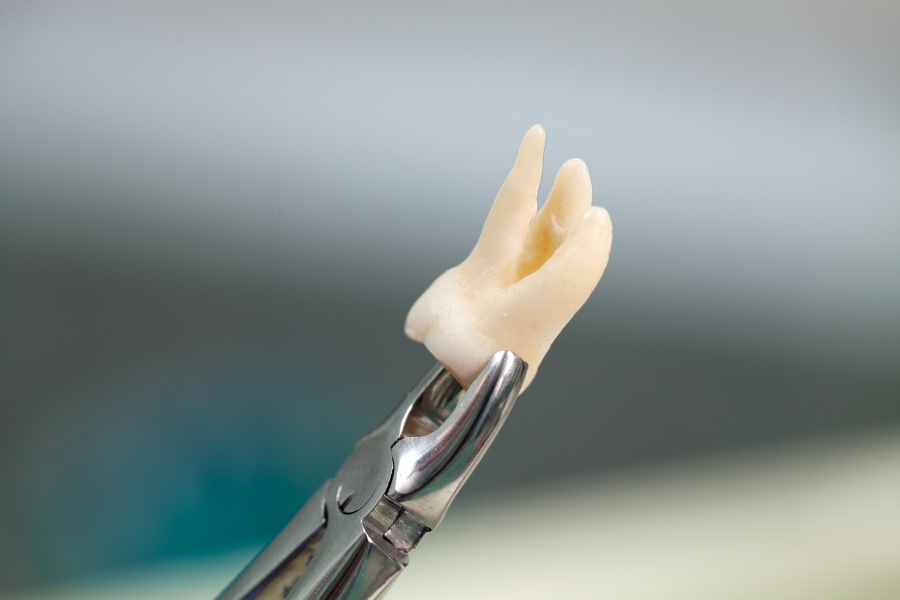
Getting your wisdom teeth removed can feel scary. One of the biggest questions patients ask is about anesthesia. Should you be fully asleep or just numb? Both options work well, but the right choice depends on your situation.
Understanding Your Anesthesia Options
When planning a tooth extraction corpus christi patients often wonder about the difference between general and local anesthesia. Let’s break down what each type means for your procedure.
Local Anesthesia: Awake But Pain-Free
Local anesthesia numbs only the area being worked on. Your dentist corpus christi will inject medicine around your wisdom teeth. You stay awake during the whole procedure. You can hear sounds and feel pressure, but you won’t feel pain.
This option works best for simple extractions. If your wisdom teeth have fully come through the gums and aren’t impacted, local anesthesia is usually enough.
Benefits of local anesthesia:
- Lower cost compared to general anesthesia
- Faster recovery time
- You can go home right away
- Fewer risks and side effects
- You can eat sooner after the procedure
Downsides to consider:
- You’re aware of what’s happening
- Sounds and sensations can cause anxiety
- Not ideal for complex cases
- May need additional sedation if you’re very nervous
General Anesthesia: Completely Asleep
General anesthesia puts you into a deep sleep. You won’t remember anything about the procedure. An anesthesiologist monitors you the entire time. This option requires more preparation and a longer recovery period.
According to the American Dental Association, general anesthesia is recommended for complicated extractions, especially when all four wisdom teeth need removal at once.
Benefits of general anesthesia:
- No memory of the procedure
- Perfect for anxious patients
- Better for complex or impacted teeth
- Multiple teeth can be removed at once
- No awareness of sounds or pressure
Downsides to consider:
- Higher cost
- Longer recovery time
- You need someone to drive you home
- Small risk of complications
- Nausea and grogginess afterward
Which Option Is Right for You?
Several factors help determine the best anesthesia choice. Your dentist will consider these points before making a recommendation.
Your Wisdom Teeth Position
Impacted teeth that haven’t broken through the gums need more work. The Mayo Clinic notes that impacted wisdom teeth often require general anesthesia because the procedure takes longer and is more involved.
Your Anxiety Level
Some people feel calm at the dentist. Others feel panicked. Be honest with your dentist corpus christi about your comfort level. If dental anxiety is a problem for you, general anesthesia might help you get through the procedure.
Medical History
Your overall health matters. Some conditions make general anesthesia risky. Your dentist will review your medical history and current medications before deciding.
Number of Teeth Being Removed
Removing one tooth under local anesthesia is manageable. Taking out all four wisdom teeth at once usually calls for general anesthesia.
Cost and Insurance
General anesthesia costs more than local anesthesia. Check with your insurance to see what’s covered. Many dental plans cover tooth extraction corpus christi procedures but may limit anesthesia coverage.
What to Expect During Recovery
Recovery differs based on your anesthesia type. Local anesthesia lets you bounce back faster. You can usually return to normal activities within a day or two.
General anesthesia requires more downtime. Plan to rest for the remainder of the day. You’ll feel groggy for several hours. Most people need 3-4 days before feeling normal again.
Both types require similar wound care. Follow your dentist’s instructions about eating, drinking, and cleaning your mouth. The National Institutes of Health provides helpful recovery tips for wisdom teeth removal.
Common Risks and Safety
All medical procedures carry some risk. Local anesthesia has fewer complications. The main concerns are allergic reactions (rare) and temporary numbness that lasts longer than expected.
General anesthesia has slightly higher risks. These include breathing problems, allergic reactions, and nausea. Serious complications are very rare when an experienced team handles your care.
Choose a qualified provider for your procedure. Ask about their experience and safety record. A skilled dentist or oral surgeon makes all the difference.
Making Your Decision
Talk openly with your dental team. Share your concerns and ask questions. A good dentist will explain both options clearly and help you decide.
Don’t let fear stop you from getting needed treatment. Wisdom teeth that stay in too long can cause infections, damage to other teeth, and jaw problems.
Common FAQs: Wisdom Teeth Extraction
1. How long does wisdom teeth removal take?
Simple extractions take 20-30 minutes. Complex cases with all four teeth can take 60-90 minutes.
2. Will I feel pain during the procedure?
No. Both anesthesia types prevent pain during surgery. You might feel pressure with local anesthesia, but not pain.
3. Can I drive myself home after local anesthesia?
Yes, if you only had local anesthesia. You’ll need a ride home if you had general anesthesia or sedation.
4. How much does wisdom teeth removal cost?
Costs vary widely. Simple extraction runs $75-$200 per tooth. Impacted teeth cost $225-$600 each. Anesthesia adds $250-$800 to the total.
5. When can I eat normal food again?
Stick to soft foods for 3-5 days. Most people return to normal eating within a week.
6. What are signs of complications after extraction?
Call your dentist if you have severe pain after day 3, heavy bleeding, fever, or swelling that gets worse after 48 hours.
7. Is general anesthesia safe for wisdom teeth removal?
Yes, when performed by trained professionals. Serious complications are extremely rare.
Conclusion
Don’t put off wisdom teeth problems. Waiting only makes things worse. Schedule a consultation to discuss your options. Your dental team will examine your teeth, review your health history, and recommend the best anesthesia choice for your situation.
Whether you choose general or local anesthesia, the goal is the same: a safe procedure and quick recovery. With the right care and preparation, wisdom teeth removal is straightforward and manageable. Take control of your dental health today.
Recent Post

May 29, 2026
The Do’s and Don’ts of Routine Dental Care for All Ages

May 22, 2026
How Dentists Detect Early Signs of Serious Health Conditions

May 15, 2026
Smoking and Dental Implants: Risks You Should Know

May 9, 2026
Daily Dental Care Routine: What You Should Be Doing Every Day

April 30, 2026