
Book Online
Daily Dental Care Routine: What You Should Be Doing Every Day
May 9, 2026
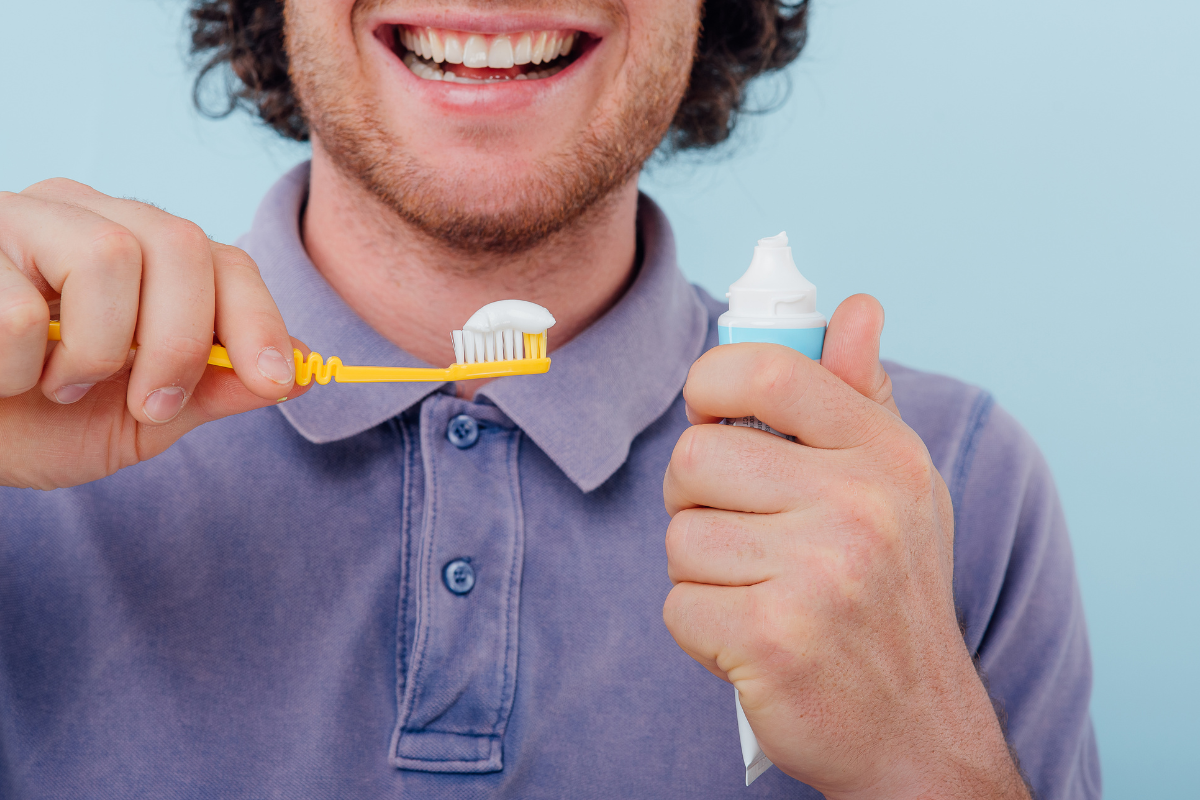
Most people brush their teeth once a day and call it done. But a solid dental care routine is more than that. It is a daily habit that protects your teeth, your gums, and your overall health. Whether you are seeing a corpus Christi dentist regularly or it has been a while since your last checkup, what you do at home every single day matters just as much.
This guide walks you through the steps every adult should follow daily. It is simple, easy to follow, and based on what dental professionals actually recommend.
Why Your Daily Routine Is the Foundation of Good Oral Health
Your mouth is one of the busiest places in your body. You eat, drink, talk, and breathe through it all day. Without a consistent routine, bacteria builds up quickly. That buildup leads to plaque, which leads to cavities and gum disease.
The good news? A few minutes each day can prevent most of these problems. Here is what that routine should look like.
Step 1: Brush Your Teeth the Right Way, Twice a Day
Brushing is the most basic step, but many people still do it wrong. Here is how to do it properly:
• Use a soft-bristle toothbrush and fluoride toothpaste.
• Hold the brush at a 45-degree angle to your gums.
• Brush in small, gentle circles. Do not scrub hard.
• Brush for a full two minutes, covering all surfaces.
• Do it once in the morning and once before bed.
Replace your toothbrush every three to four months. A worn brush does not clean well. If you are not sure which toothbrush is right for you, your dental team can help at your next visit.
Step 2: Floss Every Day, No Exceptions
Flossing is the step most people skip. But brushing only cleans about 60% of your tooth surfaces. The rest are between your teeth, and only floss can reach those spots.
Floss at least once a day, ideally before bed. Slide the floss gently between each tooth and curve it around the base. Do not snap it into your gums.
If regular floss is hard to use, try floss picks or a water flosser. The goal is to clean between every tooth, every day.
Step 3: Rinse with Mouthwash for Extra Protection
Mouthwash is not a replacement for brushing or flossing. But it adds a helpful layer of protection. An antibacterial or fluoride rinse can reduce bacteria, fight bad breath, and strengthen enamel.
Use it after brushing and flossing at night. Swish for 30 seconds and do not eat or drink for 30 minutes after. Ask your dentist which type is best for your specific needs.
Step 4: Watch What You Eat and Drink
Your diet has a big impact on your teeth. Sugary drinks and snacks feed the bacteria in your mouth. Acidic foods and sodas wear down your enamel over time.
A few small changes that help:
• Drink water throughout the day, especially after meals.
• Limit soda, sports drinks, and juice.
• Choose crunchy fruits and vegetables over sticky or sugary snacks.
• If you drink coffee or tea, rinse your mouth with water afterward.
Step 5: Clean Your Tongue
The tongue holds a lot of bacteria that brushing your teeth does not remove. Use your toothbrush or a tongue scraper to gently clean it every day. This reduces bad breath and lowers bacteria levels in your mouth.
How Regular Dental Visits Support Your Daily Routine
Even with a great daily routine, there are things only a professional can do. Tartar builds up in areas a toothbrush cannot reach. X-rays catch problems before they become painful and expensive. Gum disease often has no symptoms early on.
That is why seeing a corpus Christi dentist twice a year is so important. Routine cleanings and checkups catch small issues before they turn into big ones. They also give you personalized tips based on what is actually happening in your mouth.
People who keep up with both their home routine and professional visits tend to have far fewer dental problems over time. It really does make a difference.
Teaching Good Habits to Kids Early
Children who learn a good routine early carry those habits into adulthood. Start brushing as soon as the first tooth appears. Help them floss when they have two teeth touching. Make it a fun part of the night routine, not a battle.
As a dentist in corpus christi, part of the work involves educating families about age-appropriate dental care. Kids who visit the dentist regularly are far less likely to develop anxiety about dental care as adults.
Special Situations That May Change Your Routine
Some people need to adjust their daily routine based on their specific situation. For example:
• Braces wearers need special floss threaders or orthodontic brushes to clean around brackets and wires.
• People with dry mouth (often caused by medication) need to stay very well hydrated and may need prescription fluoride.
• Denture wearers need to soak their dentures nightly and clean their gums and tongue daily.
• Patients with gum disease may need to brush and rinse more often, as directed by their dentist.
If any of these apply to you, your dental provider can help you build a routine that fits your needs.
Also Read: 5 Ways Diet Affects Oral Health
Take the First Step Toward a Healthier Smile
Good dental health does not require expensive products or complicated routines. It requires consistency. Brush twice, floss once, rinse, and watch what you eat. Do this every single day and your teeth will thank you.
If you have been putting off a checkup or feel like your current routine is not working, now is a good time to act. Visiting a corpus Christi dentist on a regular schedule, combined with the habits above, gives you the best chance at keeping your teeth for life.
At Tide Dental Orthodontics in Syracuse, NY, we are here to support your oral health at every stage. Whether you need a routine cleaning, orthodontic care, or just some guidance on your daily habits, our team is ready to help. Schedule a consultation with Tide Dental Orthodontics today and start building the smile you want to keep.
Not sure where to begin? Contact our Tide Dental Orthodontics office and we will help you figure out the right steps for your unique situation. As a trusted dentist in corpus christi, we believe that great dental health starts with what you do at home, and we are here to guide the rest.
Frequently Asked Questions
1. How many times a day should I brush my teeth?
You should brush twice a day, once in the morning and once before bed. Brushing after meals is also helpful, but wait at least 30 minutes if you just had something acidic.
2. Is flossing really necessary if I brush well?
Yes. Brushing does not clean between your teeth. Flossing removes plaque and food from those tight spaces. Skipping it increases your risk of cavities and gum disease between teeth.
3. What kind of toothpaste should I use?
Fluoride toothpaste is the standard recommendation for most adults and children over age two. If you have sensitive teeth, whitening concerns, or other needs, ask your dentist for a specific product recommendation.
4. How often should I replace my toothbrush?
Replace it every three to four months, or sooner if the bristles look frayed. A worn toothbrush does a poor job of cleaning your teeth.
5. Can mouthwash replace brushing or flossing?
No. Mouthwash is a supplement, not a substitute. It helps reduce bacteria and freshens breath, but it cannot remove the plaque and food debris that brushing and flossing take care of.
6. What foods are worst for my teeth?
Sugary snacks, sticky candy, soda, and acidic drinks like citrus juice and sports drinks are the biggest culprits. They either feed bacteria or erode enamel. Drink water regularly to help rinse your mouth throughout the day.
7. How do I know if my gums are healthy?
Healthy gums are pink, firm, and do not bleed when you brush or floss. If your gums bleed regularly, look swollen, or feel sore, those are signs of gum disease. See a dentist as soon as possible for an evaluation.
8. At what age should children start seeing a dentist?
Children should have their first dental visit by age one or within six months of their first tooth appearing. Early visits help build comfort, catch any issues early, and establish good habits from the start.
Recent Post

June 19, 2026
AI in Dentistry: Diagnosing Disease Before the Naked Eye Can
June 12, 2026
Tooth Proportions and Symmetry in Cosmetic Smile Design
June 5, 2026
Dental Implants and Cosmetic Dentistry: Creating Natural-Looking Smiles

May 29, 2026
The Do’s and Don’ts of Routine Dental Care for All Ages
May 22, 2026