
Book Online
How Dentists Detect Early Signs of Serious Health Conditions
May 22, 2026
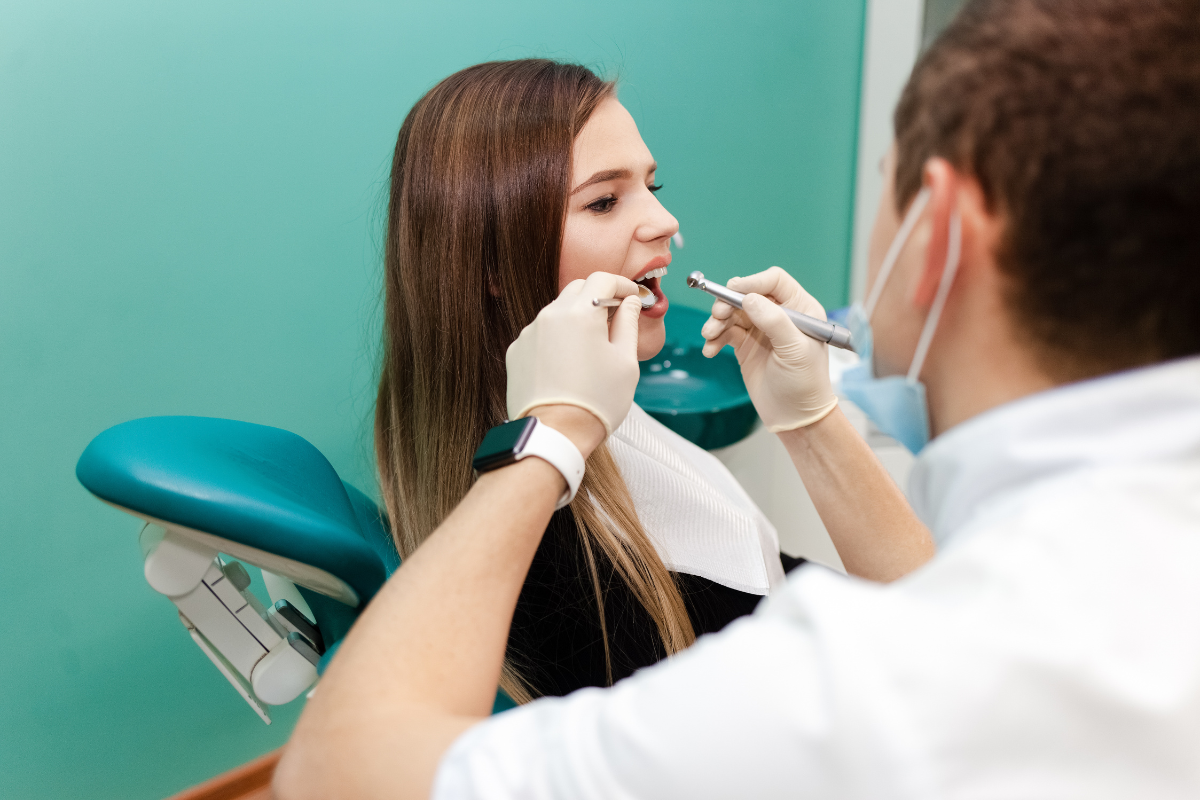
Most people visit the dentist to keep their teeth clean and cavities away. But your mouth tells a much bigger story. Dentists are often the first to spot warning signs of conditions like diabetes, heart disease, and even cancer, before you feel any symptoms.
That is not a small thing. Early detection can save your life.
A skilled dentist corpus Christi patients trust does more than check for cavities. They look at your gums, tongue, jaw, and soft tissues for changes that could point to something serious happening elsewhere in your body.
Here is what they are actually looking for during your visit.
Your Mouth Is a Window to Your Overall Health
The mouth and body share a direct connection. Bacteria from gum disease can enter the bloodstream and reach the heart. Inflammation in the gums often mirrors inflammation happening in other parts of the body. Dry mouth, sores, and unusual patches can all be early clues.
Dentists are trained to recognize these patterns. A routine checkup is not just routine.
Health Conditions Dentists Can Spot Early
Diabetes
Gum disease and diabetes have a two-way relationship. People with uncontrolled blood sugar tend to get gum infections more often and heal more slowly. If your dentist notices recurring gum problems, slow healing after treatment, or unusual dryness, they may recommend you get your blood sugar checked.
Dry mouth is another common sign. It increases the risk of tooth decay and can be linked to both diabetes and certain medications.
Heart Disease
Research shows a connection between gum disease and heart conditions. Bacteria from infected gums can travel through the blood and affect the heart valves. A dentist who notices severe, persistent gum inflammation may suggest you follow up with your doctor.
Swollen or bleeding gums are not always “just” a dental problem.
Oral Cancer
This is one of the most serious conditions dentists screen for during routine visits. Oral cancer can appear as red or white patches, unexplained sores, or lumps inside the mouth, on the tongue, or on the lips.
When caught early, oral cancer has a much higher survival rate. A dentist corpus Christi area residents rely on will often perform a visual and physical screening as part of a standard exam, sometimes using a special light to check tissue more closely.
Osteoporosis
Bone loss in the jaw can show up on dental X-rays before it is detected anywhere else. If the bone supporting the teeth appears thinner than normal, a dentist may raise concerns about bone density and refer you to a specialist.
Kidney Disease and Nutritional Deficiencies
A fruity or ammonia-like breath odor that has no dental cause can point to kidney problems. Pale gums, smooth tongue, or cracked corners of the mouth may suggest deficiencies in iron, B12, or folate.
These are not things most people would connect to a dental visit. But a trained eye catches them.
Signs Your Dentist Watches for Every Visit
During each appointment, your dentist looks at more than just your teeth. They check:
- Gum color, texture, and how easily they bleed
- The surface of your tongue for changes in color or texture
- Soft tissue inside the cheeks and the roof of your mouth
- Lymph nodes in the neck and jaw area
- Bone levels on X-rays
- Signs of teeth grinding, which can relate to stress or sleep apnea
Sleep apnea is another condition often flagged by dentists. Worn-down teeth from grinding, a small airway, or a scalloped tongue are common signs. Dentists can refer patients for a sleep study and even provide oral appliances as part of treatment.
Why Regular Dental Visits Matter More Than You Think
Skipping dental visits does not just put your teeth at risk. It puts your overall health at risk.
Many serious conditions develop slowly and silently. By the time symptoms appear, the condition may already be advanced. A dentist who sees you twice a year has a baseline for what is normal in your mouth. Any change stands out.
If you are searching for a dentist near me, look for a practice that takes a whole-health approach, not just a tooth-by-tooth exam.
At Tide Dental Orthodontics in Syracuse, NY, our team takes time during every visit to look at the full picture of your oral health. We believe that a clean smile and a healthy body go hand in hand.
What You Can Do Between Visits
You do not have to wait for a dental appointment to notice something is off. Pay attention to:
- Sores or spots in your mouth that do not heal within two weeks
- Persistent bad breath that does not improve with brushing
- Changes in how your teeth fit together
- Numbness or tingling in your mouth or tongue
- Swollen jaw or neck glands
If any of these show up, do not wait for your next scheduled cleaning. Call your dentist.
Conclusion
Your dentist sees things other doctors may miss. The mouth is connected to every system in the body, and changes in your oral health often show up before bigger problems become obvious.
A reliable dentist corpus Christi community members visit regularly is not just protecting your teeth. They are looking out for your whole health. Oral screenings, X-rays, and tissue checks are all part of a complete picture.
If it has been a while since your last dental visit, or if you have noticed anything unusual in your mouth, now is the time to act. Search for a dentist near me and book an appointment that goes beyond the basics.
Schedule a consultation with Tide Dental Orthodontics and get a thorough exam from a team that looks at your health from every angle. Contact our Tide Dental Orthodontics office today to set up your appointment. We are here to help you stay ahead of any health concerns, one checkup at a time.
Also Read: 5 Questions You Should Ask Yourself Before Visiting An Emergency Dentist
Frequently Asked Questions
1. Can a dentist really detect diabetes?
Yes. Signs like frequent gum infections, slow healing, and dry mouth can suggest blood sugar issues. A dentist may recommend follow-up testing with your primary care doctor.
2. How often should I visit the dentist for a full checkup?
Twice a year is the general recommendation. Some patients with existing health conditions may benefit from more frequent visits.
3. What does oral cancer look like in the early stages?
It can appear as a white or red patch, a sore that does not heal, or a lump in the mouth or throat. Early-stage oral cancer often has no pain, which is why professional screenings matter.
4. Does gum disease affect heart health?
Research suggests a link between gum disease and increased risk of heart-related issues. Bacteria from inflamed gums can enter the bloodstream and affect cardiovascular health.
5. Can grinding my teeth be a sign of a health condition?
It can be connected to stress, anxiety, or sleep apnea. A dentist can identify wear patterns on your teeth and discuss possible causes and solutions.
6. What should I do if I notice a sore in my mouth that does not heal?
See a dentist as soon as possible. Any sore that lasts longer than two weeks should be evaluated professionally.
7. Are dental X-rays important for detecting more than cavities?
Yes. X-rays can reveal bone loss, cysts, tumors, and changes in bone density that may not be visible during a physical exam.
8. How do I know if my dentist does full-health screenings?
Ask your dentist directly what their checkup includes. A thorough exam should cover soft tissue evaluation, gum health, bite assessment, and cancer screening in addition to checking for cavities.
Recent Post
June 12, 2026
Tooth Proportions and Symmetry in Cosmetic Smile Design
June 5, 2026
Dental Implants and Cosmetic Dentistry: Creating Natural-Looking Smiles

May 29, 2026
The Do’s and Don’ts of Routine Dental Care for All Ages
May 22, 2026
How Dentists Detect Early Signs of Serious Health Conditions

May 15, 2026