
Book Online
What to Do If Your Dental Implant Feels Loose?
November 14, 2024
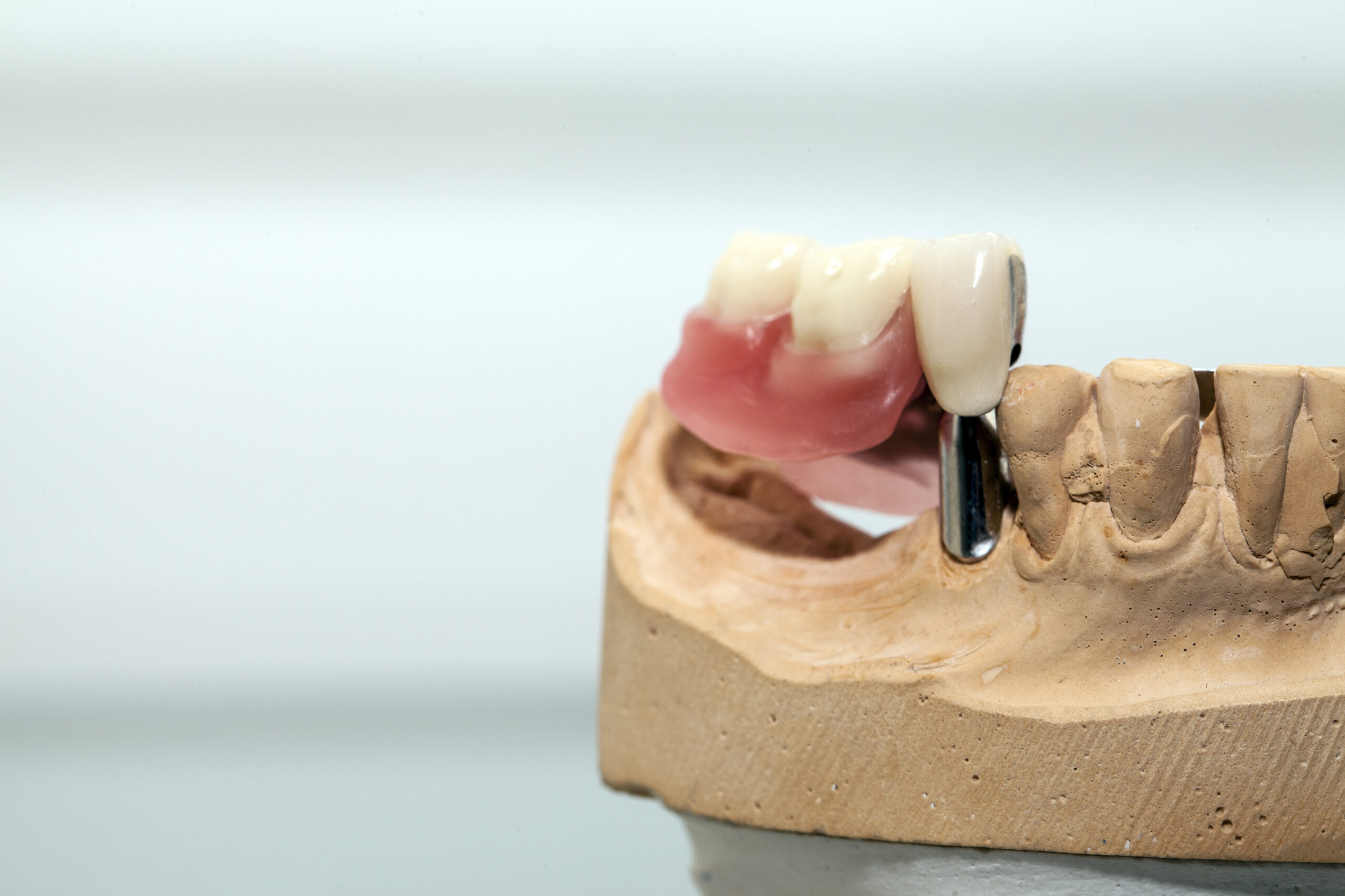
Feeling like your dental implant is loose can be scary. But before you panic, take a breath. This doesn’t always mean disaster. Sometimes it’s a minor problem that your dentist can fix quickly. Let’s walk through what you need to know about loose implants and what steps to take right away.
How to Tell If Your Implant Is Actually Loose
First things first: is your implant really loose? Sometimes what feels loose might actually be the crown (the visible tooth part) rather than the implant itself. Here’s what to watch for:
You might notice the tooth moving when you touch it or push on it gently. This wobbling sensation is the clearest sign that something is wrong. Pain when you bite down or chew is another red flag. If eating becomes uncomfortable or you feel pressure in one spot, your implant might be shifting.
Swelling or bleeding around your gums near the implant is also concerning. Your gums might look red or puffy. You could even notice a bad taste in your mouth or bad breath coming from that area, which often points to infection.
Why Do Implants Get Loose?
Understanding why this happens can help you avoid future problems. Several things can cause an implant to loosen over time.
Poor Bone Integration: Your implant needs to fuse with your jawbone through a process called osseointegration. If this doesn’t happen properly during the healing phase, the implant won’t stay secure. This is more common in the first few months after surgery.
Infection: Bacteria can attack the tissue around your implant, causing an infection called peri-implantitis. This weakens the bone and gums that hold everything in place. Without treatment, the infection will get worse and your implant will continue to loosen.
Bone Loss: Your jawbone can break down over time, especially if you have gum disease or don’t maintain good oral hygiene. When bone disappears, there’s less support for the implant. Smoking and certain health conditions, like diabetes, can speed up bone loss.
Physical Trauma: Getting hit in the face or mouth during sports or an accident can knock your implant loose. Even a hard fall can damage the implant or the bone around it.
Teeth Grinding: If you grind or clench your teeth at night, you’re putting tons of extra pressure on your implants. Over months and years, this constant force can weaken the connection between the implant and the bone.
Improper Placement: Sometimes the original surgery didn’t go perfectly. If your implant was placed at the wrong angle or too shallow, it might not stay stable long term.
What to Do Right Now
If you think your implant is loose, take these steps immediately:
Stop chewing on that side of your mouth. Don’t bite down hard or try to test if it’s loose by wiggling it. You’ll only make things worse. Stick to soft foods and chew on the opposite side.
Keep the area clean, but be gentle. Brush carefully around the implant with a soft toothbrush. Rinse with warm salt water a few times a day to reduce bacteria. Don’t use rough or aggressive cleaning techniques.
If you’re dealing with pain, over-the-counter pain relievers like ibuprofen can help. Follow the directions on the bottle. This will keep you comfortable until you can see your dentist.
Most importantly, call your dentist right away. Don’t wait to see if it gets better on its own. When searching for help, look for an implant dentist Corpus Christi residents trust to handle these situations. Early treatment gives you the best chance of saving your implant.
When This Is an Emergency
Sometimes a loose implant needs immediate attention. Contact your dentist the same day if you have:
- Severe pain that won’t go away with medication
- Heavy swelling in your gums or face
- Fever or feeling sick overall
- Pus or discharge coming from around the implant
- Bleeding that won’t stop
- The implant is moving significantly or is about to fall out
These signs suggest a serious infection or major problem that needs fast treatment. If you can’t reach your regular dentist, search for dental implants near me and find an emergency dental clinic that can see you quickly.
Treatment Options Your Dentist Might Suggest
What happens next depends on why your implant is loose. Your dentist will take X-rays and examine your mouth to figure out the cause. For infections, you’ll likely need antibiotics and a deep cleaning around the implant to remove bacteria and infected tissue. If caught early, this can save the implant. If bone loss is the problem, you might need a bone graft to add bone material to your jaw and create a stronger foundation.
Sometimes only the crown or abutment (the connector piece) is loose while the actual implant in your bone is still solid. This is good news because your dentist can simply tighten or replace these parts without touching the implant itself. In cases where the implant has failed and can’t be saved, it needs to be removed. After your mouth heals, you can usually get a new implant placed.
If you’re working with an implant dentist Corpus Christi specialists recommend, they’ll walk you through all your options for replacement.
How to Keep Your Implants Healthy Long Term?
Prevention is always better than treatment. Follow these tips to protect your implants:
Brush twice daily with a soft toothbrush. Pay extra attention around your implants but don’t scrub too hard. Floss every day using regular floss or a water flosser to clean between teeth and around implants. The American Dental Association recommends regular maintenance to prevent complications.
See your dentist every six months for checkups and professional cleanings. These visits let your dentist catch small problems before they become big ones. When searching for routine care, finding quality dental implants near me providers ensures you get the monitoring you need.
If you grind your teeth at night, wear a nightguard. This protects your implants from excessive force. Your dentist can make a custom guard that fits perfectly.
Don’t smoke. Smoking slows healing, increases infection risk, and contributes to bone loss around implants. If you currently smoke, quitting is one of the best things you can do for your oral health.
Eat a balanced diet with plenty of calcium and vitamin D to keep your bones strong. Avoid chewing on ice, hard candy, or other very hard objects that could damage your implants.
Common FAQs: Dental Implant
1. Can a loose dental implant tighten back up on its own?
No, a loose implant won’t tighten itself. If the implant post is loose in your bone, you need professional treatment. However, sometimes just the crown is loose, which your dentist can fix by tightening the screw that holds it.
2. How long do dental implants typically last?
With proper care, implants can last 20 years or even a lifetime. Most failures happen in the first few years due to infection or poor healing. Once an implant has successfully integrated, it’s very stable.
3. Is it normal for an implant to hurt years later?
No, a healed implant shouldn’t cause pain. If you’re experiencing pain years after placement, something is wrong. This could be an infection, bone loss, or a loose implant. See your dentist for an evaluation.
4. What’s the success rate for replacing a failed implant?
Success rates for replacement implants are generally good, around 70 to 90 percent. Your chances improve if the cause of the first failure is addressed, such as treating an infection or doing a bone graft before placing the new implant.
Conclusion
A loose implant needs attention, but it’s not the end of the world. Acting fast gives you the best shot at saving it. Stop putting pressure on the area, keep it clean, and get professional help quickly. Whether you need to schedule an appointment with an experienced implant dentist Corpus Christi patients rely on or contact a local dental clinic in Corpus Christi for urgent care, don’t delay.
The sooner you address the problem, the better your outcome will be. Remember, when you’re looking for dental implants near me, options for follow-up care or treatment, choose a provider who specializes in implant dentistry and has experience handling complications. Your smile is worth protecting.
Recent Post

May 29, 2026
The Do’s and Don’ts of Routine Dental Care for All Ages
May 22, 2026
How Dentists Detect Early Signs of Serious Health Conditions

May 15, 2026
Smoking and Dental Implants: Risks You Should Know
May 9, 2026
Daily Dental Care Routine: What You Should Be Doing Every Day
April 30, 2026