
Book Online
What Happens If I Don’t Finish My Orthodontic Treatment?
November 15, 2026
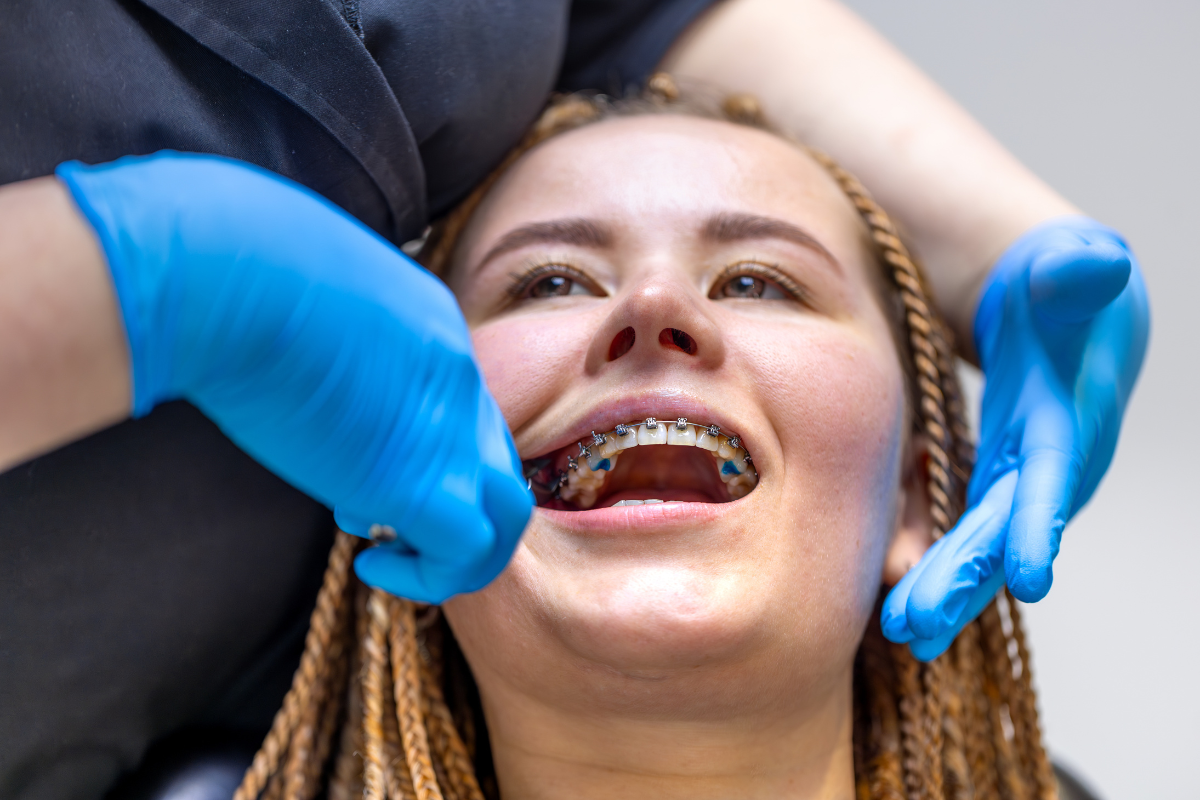
Maybe a move, a tight month, or a busy school year put your braces on hold. Maybe the brackets came off early, or the aligners went into a drawer. If you are looking for an orthodontist in corpus christi to help you pick back up, you are not alone, and you are not in trouble. This guide explains what happens to your teeth when treatment stops, how the risk changes by stage, and how to get back on track without starting from zero.
The Short Answer: Your Teeth Keep Moving
Braces and aligners work by holding steady pressure on your teeth. Bone and gum tissue slowly reshape around each tooth as it moves. That reshaping takes time to settle. If you stop before the work is done, the tissue is still soft and your teeth are not locked in place.
So they tend to drift back toward where they started. Some teeth move fast, some slowly, and some end up in a new spot that is neither the old one nor the planned one. Orthodontists call this relapse.
Treatment can last from six months to three years, depending on your age and your case. The last stretch is often the part where teeth are fine-tuned and the bite is set. It is also the part people skip because their smile already looks good.
What Can Go Wrong When Treatment Stops Early
Teeth Shift Back
Relapse can start within weeks. Gaps that were closed can reopen. Crowded teeth can overlap again. A tooth that was turned can rotate back. The more time that passes without a retainer or a plan, the more movement you can expect.
Your Bite Stays Off
Straight front teeth do not always mean a healthy bite. Overbites, underbites, and crossbites are often fixed in the middle and late stages. If you stop before that work ends, your top and bottom teeth may not meet evenly. Uneven contact can wear down enamel and strain the jaw joints and chewing muscles over time.
Braces Left on Too Long Cause Trouble
Brackets and wires trap plaque. Brushing and flossing around them takes extra effort even in the first year. When treatment drags on with no progress, the risk grows for white spots on the enamel, cavities, and swollen gums. Worn wires can also poke the cheeks and lips.
Aligners Without a Plan
Clear aligners only work if you wear them for the hours your plan calls for and move through the trays in order. If you quit partway, your teeth keep shifting, but the old trays no longer fit. Wearing an old tray later can feel tight or do nothing at all. A new scan and a new plan are usually the safe fix.
Lost Time and Money
This one hurts the most. You paid for months of care, and a half-finished result gives you only part of it. Restarting later can take extra time and, in some cases, extra cost. Finishing now is usually the cheaper path.
Where You Stop Matters
The risk is not the same at every stage. This chart shows what often happens and what to do next. Your exam will confirm what applies to you.
| Stage when you stopped | What was done so far | What can happen | What to do next |
| Early (first few months) | Teeth just started to move, spacing begun | Teeth drift back, so progress is partly lost | Book an exam soon. A short restart may be enough |
| Middle (about halfway) | Gaps closing, teeth lining up, bite not set | Gaps reopen and the bite can end up uneven | Get new X-rays and an updated plan. Do not wait |
| Late (teeth look straight) | Alignment looks good, bite needs final touches | Small shifts add up and the bite stays slightly off | Schedule a finish visit to set the bite and fit a retainer |
| Braces off, retainer skipped | Treatment finished, retainer phase ignored | Teeth slowly move back, sometimes by a lot | Ask about a new retainer or a short round of correction |
Why People Pause Treatment (and What Helps)
Most people who stop have a good reason. Here are the common ones and the fix for each.
- Cost. Money stress is the top reason. Ask for a written plan with a full price and monthly payment choices. FSA or HSA funds can pay for treatment with pre-tax dollars.
- A move or new job. Ask for your records and a copy of your treatment plan before you go. A new office can pick up where the last one stopped.
- A busy schedule. Ask about early or late slots and fewer visits. Some cases can switch to clear aligners that need fewer office trips.
- Soreness or tired of braces. Mild soreness fades in a few days after each adjustment. If it lasts, ask for help. Wax and pain relievers can ease it.
- “My teeth look fine now.” Teeth that look straight may still need a bite check and a retainer. Ask what is left before you decide to stop.
Planning Around Life in the Coastal Bend
Life in South Texas can make a steady schedule hard. Hurricane season runs from June through November, and storms can close roads and offices for days. Students at Texas A&M University-Corpus Christi often go home for the summer or leave town after graduation. Families with ties to the naval air station or the Coast Guard may get move orders with little notice. Teens juggle school sports, band, and work.
If any of that sounds like you, tell your orthodontic team at the start. They can plan your visits around a known move, give you a travel kit with wax and spare parts, and send records to a new office if you leave. A small plan now saves a big gap later.
What to Do If You Already Stopped
Start with three steps.
- Do not try to fix it yourself. Rubber bands, floss tricks, and home kits can damage teeth and gums.
- Keep what you have. Hold on to old aligners, retainers, and any paperwork from your earlier office.
- Book an exam. The sooner your teeth are checked, the more options you keep.
The best first call is to an orthodontist in corpus christi who can see your teeth as they are now, even if your braces were placed at another office. No judgment is needed here. Your orthodontist has seen this many times and will focus on what can be done today, not what went wrong before.
What to Expect at a Restart Appointment
A restart appointment is usually simple. Your orthodontist checks your teeth, gums, and bite. X-rays or scans show where each tooth sits now. Then you talk through your goals and your timeline.
You should leave with a clear plan in writing. It lists each step, the time it may take, and the price. Cost is the top reason people stop, so ask any orthodontist in Corpus Christi for the full figure in writing before you begin. Ask about payment choices at the same time.
Be ready for one of three paths. If you stopped late, you may only need a short finishing phase and a retainer. If you stopped midway, you may need a new set of brackets or a fresh set of aligners. If your teeth have moved a lot, you may need a full new plan. Your orthodontist will tell you which one fits, and why.
If damage or decay showed up while your braces were on, your dentist may treat that first. Healthy teeth and gums make for a safer and faster finish.
How to Finish Strong This Time
A few habits keep treatment on schedule.
- Keep every adjustment visit, even when you feel fine.
- Wear elastics and aligners for the full hours your plan calls for.
- Brush after meals and floss with a threader or small brush around brackets.
- Skip hard, sticky foods that can break brackets.
- Wear your retainer exactly as directed. Many people wear one at night for years.
The American Association of Orthodontists offers patient guides on braces care and retainer wear. They make a good second source after your own orthodontic team.
Meet Our Dentists
The right team makes it easier to start again and finish. Here are the doctors you may meet at Tide Dental Orthodontics & Dental Implants.
Dr. ReAnn Boss, Orthodontist. Dr. Boss is a Texas native who grew up north of Dallas and captained the soccer team at the University of Texas at Dallas. She earned her Doctor of Dental Surgery at Baylor College of Dentistry, now the Texas A&M College of Dentistry, and completed a one-year general dentistry residency in the Air Force. After seven years of general practice, which included military service, private practice, pediatrics, and teaching at the dental school, she returned to school. She holds a Certificate in Orthodontics and a Master’s in Health Administration from A.T. Still University’s Arizona School of Dentistry and Oral Health. Her military and teaching background is a good fit for patients who need a plan that adapts to a busy life.
Dr. Joel Khoo, Prosthodontist. Dr. Khoo earned his Bachelor of Dental Surgery at the National University of Singapore, then a Master of Science in Prosthodontics at the University of Iowa. A prosthodontist is trained in rebuilding and restoring teeth. If unfinished treatment led to worn, chipped, or missing teeth, his skills help restore the smile once the teeth are back in place. He lives in Corpus Christi with his wife and two children, and enjoys gardening, cycling, and time outdoors.
Dr. Tina Huynh, General Dentist. Dr. Huynh grew up in Corpus Christi and went through school here before studying at Texas A&M University and earning a master’s at the University of Texas at San Antonio. She received her Doctor of Dental Medicine from Roseman University of Health Sciences College of Dental Medicine in Utah, and completed an externship with Community Health Centers of Utah serving underserved communities. She joined the practice in June 2025. General dentists handle the cleanings, cavity checks, and gum care that keep teeth healthy while braces are on.
Finish What You Started
Stopping early leaves your teeth, bite, and budget in limbo. The longer the pause, the more your teeth drift, so the best time to act is now. Whether you need a short finish or a full restart, a clear exam and a written plan make the next step easy. Schedule a consultation with Tide Dental Orthodontics & Dental Implants to see where your teeth stand today and what it takes to complete your treatment.
Frequently Asked Questions
1. Will my teeth go back to their original position?
Often they move partway back. How far depends on how long you wore braces, how long ago you stopped, and your own teeth. An exam shows how much has changed.
2. Can I restart braces after several years?
Yes. Adults and teens can restart at any age if their teeth and gums are healthy. Your orthodontist will take new X-rays and build a fresh plan, which may be shorter than your first one.
3. Is it safe to leave braces on without adjustments?
It is not a good idea. Without adjustments, braces make no progress but still trap plaque. That raises the risk of cavities and gum swelling. Schedule a visit to finish or remove them safely.
4. What if I lost my retainer?
See your orthodontist soon. A new retainer is often made from a fresh impression or scan. If your teeth have already moved, a short round of correction may come first.
5. Can I switch from braces to clear aligners to finish?
Sometimes. It depends on how much work is left and what your bite needs. Your orthodontist can tell you if aligners can handle the final steps.
6. Do I have to pay again if I restart?
It depends on your plan and your earlier office. Ask for a written estimate and payment choices before you begin, and bring any records or contracts from your first treatment.
7. How long does it take to finish after a long break?
A short break may mean a few months. A long break can mean a longer plan. Your orthodontist will give a time estimate after reviewing your X-rays.
8. Does leaving treatment unfinished affect my overall health?
It can. A poor bite can wear teeth and strain the jaw, and braces left on without care can cause decay and gum problems. A short exam can check for these.
Recent Post
November 15, 2026
What Happens If I Don’t Finish My Orthodontic Treatment?
November 13, 2026
What Are My Options If I’m Missing Back Teeth?
November 10, 2026
Is Your Child Ready for Braces? Signs Orthodontists Look For Early
November 10, 2026
Stop Gum Disease Before It Starts: Why Cleanings Matter Most
October 29, 2026