
Book Online
The Long-Term Benefits of Correcting Misaligned Teeth and Bite Problems
October 29, 2026
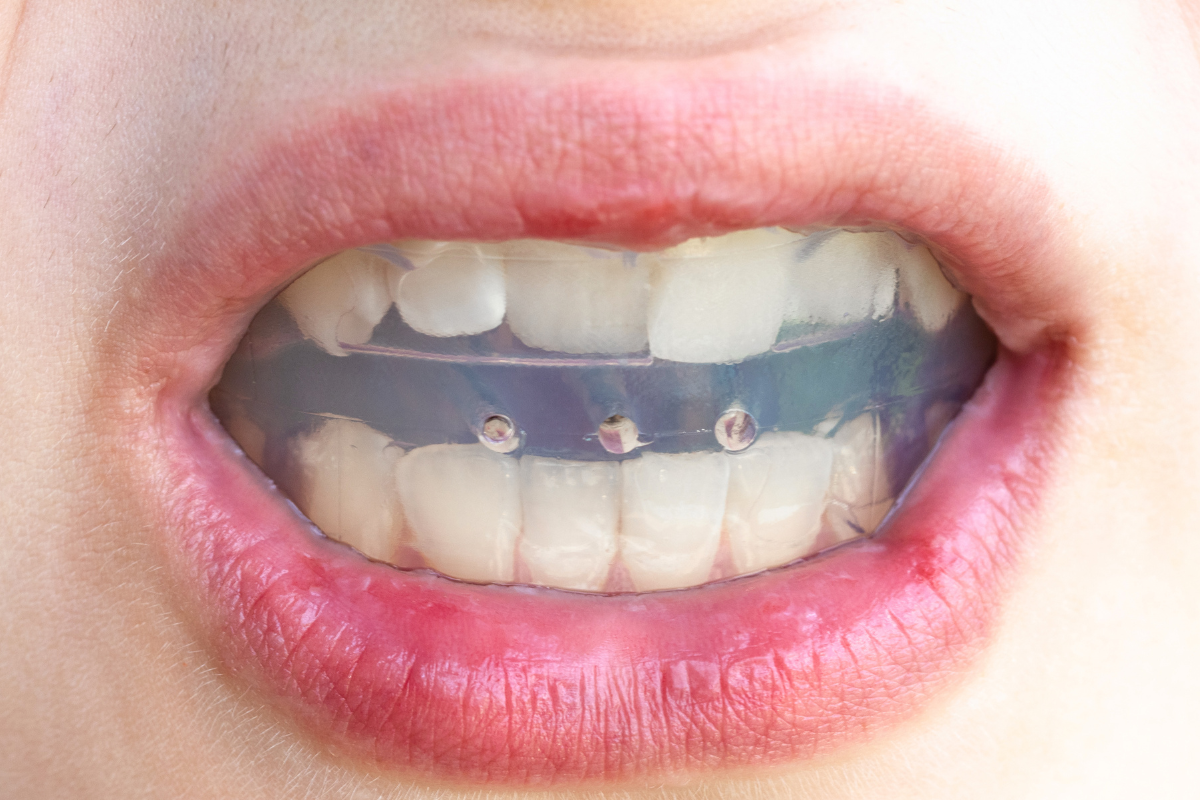
Crooked teeth are easy to spot. A bad bite is harder to see, but your mouth feels it every day. Maybe your jaw clicks when you chew. Maybe floss keeps shredding between two crowded teeth. If you are looking for a dentist corpus christi patients can ask about these problems, this guide will help you know what to expect. It covers what misalignment is, what it can do over time, and how treatment protects your health for years.
Jaw pain or a chipped tooth can come out of nowhere. Many people then type dentist near me into their phone and wonder if the problem is serious enough to book. If your teeth or bite cause pain, wear, or trouble cleaning, it is worth a check.
What Misaligned Teeth and Bite Problems Are
Misaligned teeth do not sit where they should. A bite problem means your upper and lower teeth do not meet well when you close your mouth. You can have one without the other. Both can start in childhood from thumb sucking, early tooth loss, or family traits. They can also show up later, when teeth shift after an injury or a missing tooth.
Here are the most common types:
- Crowding: There is not enough room, so teeth overlap or twist.
- Gaps: Spaces sit between teeth.
- Overbite: The upper front teeth cover too much of the lower ones.
- Underbite: The lower teeth sit in front of the upper teeth.
- Crossbite: Some upper teeth close inside the lower teeth.
- Open bite: The front teeth do not touch when the back teeth close.
Signs Your Bite May Need Attention
Watch for these:
- Jaw soreness, clicking, or popping
- Frequent headaches or tired face muscles in the morning
- Teeth that look flat, chipped, or worn
- Food that always gets stuck in the same spot
- Gums that bleed in the same area each time you floss
- Trouble biting into foods, or a lisp that does not go away
One sign alone does not prove a bite problem. A few together are a good reason to get an exam.
Why Correction Pays Off Over Time
Straight teeth look nice, but that is the smaller benefit. The bigger gain is how your mouth works and holds up year after year.
Cleaner Teeth and Healthier Gums
Crowded teeth hide plaque. A toothbrush cannot reach tight overlaps, so plaque hardens into tartar. Tartar irritates gums and can lead to gum disease. The American Dental Association names gum disease as a major cause of tooth loss in adults. When teeth sit in line, you can clean every side of them. That makes daily care faster and more effective.
Less Wear and Fewer Repairs
A bite that hits unevenly puts extra force on a few teeth. Those teeth wear down, chip, or crack. Each repair, such as a filling, crown, or root canal, adds cost and time. Fixing the bite spreads chewing force across more teeth. Your teeth carry the load together, so no single tooth takes the hit.
Comfort for Your Jaw
Your jaw joints and muscles work with every bite. A poor bite is one possible cause of jaw pain, along with stress and teeth grinding. An exam can tell which cause fits you. If the bite is part of the problem, correcting it can ease strain on those muscles.
Easier Eating and Clearer Speech
Teeth that meet well tear and grind food better. Better chewing helps digestion and makes more foods easy to enjoy. Some speech issues, such as a lisp from an open bite, can also improve when the teeth line up.
A Smile You Do Not Hide
Many people with crooked teeth cover their smile in photos. After treatment, they often stop. That change in confidence is real, and it shows up at work, at school, and in daily life.
How the Benefits Add Up Over the Years
| Time after treatment | What you may notice |
| First year | Easier brushing and flossing, less food trapped between teeth, a more even bite |
| Years 2 to 5 | Healthier gums, less jaw tension, fewer chips or sore spots |
| Years 5 to 10 | Fewer repairs, even wear on teeth, steady comfort when chewing |
| 10 years and beyond | A better chance of keeping your natural teeth, lower long-term dental costs |
Results depend on your case and on wearing your retainer as directed. Your orthodontist will explain what to expect for your mouth.
Braces, Aligners, and Other Options Compared
No single option fits everyone. This chart shows the basics.
| Option | Best for | Typical time | Good to know |
| Traditional braces | Crowding, gaps, and complex bite problems | About 1 to 3 years | Fixed in place, strong control, need careful brushing |
| Clear aligners (Invisalign®) | Mild to moderate crowding and gaps | Often 6 months to 2 years | Removable, worn most of the day, need your daily effort |
| Early treatment for kids | Jaw growth and bite issues found young | Varies by child | The American Association of Orthodontists suggests a first check by age 7 |
| Retainers | Everyone finishing treatment | Long term | Keep teeth from drifting back |
Time ranges vary by case. Your doctor will give you a plan that fits your bite, age, and goals.
Straight Talk on Cost, Time, and Daily Care
Treatment is a real commitment, so you should know the facts before you start.
Cost. Price depends on the type of treatment and how complex your bite is. Dental insurance plans differ, and some cover part of orthodontic care. Ask for a written treatment plan with costs before you decide.
Time. Most treatment takes many months, and some cases take a few years. Regular visits keep it on track.
Daily effort. Braces mean careful brushing and avoiding sticky or hard foods. Aligners only work if you wear them. Retainers only work if you keep wearing them after treatment ends.
Fit. Not every case suits aligners. Some bites need braces. An honest exam tells you which path makes sense, even if it is not the one you had in mind.
What to Ask at Your First Appointment
A first appointment should leave you with clear answers. Before you choose a dentist corpus christi has to offer, think about what you want to know. These questions help:
- What type of bite or alignment problem do I have?
- What happens if I wait?
- Which treatment fits my case, and why?
- How long will it take, and how many visits should I plan for?
- What is the full cost, and what will insurance cover?
- What will I need to do each day at home?
A good doctor answers each one in plain words and puts the plan on paper.
Caring for Your Smile on the Coastal Bend
Life along the Gulf Coast is active. Weekends at Padre Island, afternoons by the Bayfront, school sports, and youth soccer are part of the routine. A hit to the mouth during play can chip a tooth, and teeth that stick out are more likely to be hurt. Ask your doctor about a mouthguard for sports, and wear it over braces too.
Busy schedules are a top reason people put off treatment. When you search dentist near me, check hours and location first. Tide Dental Orthodontics & Dental Implants is on Airline Road and is open Monday through Friday, from 8:30 a.m. to 12:30 p.m. and 1:30 p.m. to 4:30 p.m. Adults in the Coastal Bend can also start treatment, since age is rarely the barrier people think it is.
Conclusion
Correcting misaligned teeth and bite problems protects your gums, teeth, and jaw for decades. Waiting rarely makes treatment simpler or cheaper. If you want a dentist corpus christi patients can reach on Airline Road, start with an exam and a clear plan. If you have been scrolling through dentist near me results and have not booked yet, today is a good day to take the first step. Schedule an appointment with Tide Dental Orthodontics & Dental Implants.
Frequently Asked Questions
1. At what age should a child have a first orthodontic check?
The American Association of Orthodontists suggests a first check by age 7. Many kids do not need treatment then, but early checks catch growth and bite problems while they are easier to guide.
2. Can adults get braces or aligners?
Yes. Healthy teeth and gums can be moved at any age. Adults often choose clear aligners, though some bites still need braces.
3. Can misaligned teeth cause jaw pain?
They can contribute. Stress and teeth grinding also play a role. An exam helps find the cause.
4. How long does bite correction take?
It depends on your case. Many people finish in about 1 to 3 years. Mild cases may take less time.
5. Is orthodontic treatment covered by insurance?
Coverage varies by plan. Some plans cover part of the cost. Ask our front desk to check your benefits and explain payment options before you start.
6. Do I need a retainer after treatment?
Yes. Teeth tend to drift back without one. Your doctor will tell you how often to wear it.
7. Does treatment hurt?
Expect some soreness for a few days after getting braces or changing aligners. It is usually mild and fades quickly. Your doctor can suggest ways to ease it.
8. What happens at the first appointment?
You will have an exam and x-rays, and the doctor will explain what they see. You will go over treatment options, time, and costs so you can decide with full information.
Recent Post
October 29, 2026
The Long-Term Benefits of Correcting Misaligned Teeth and Bite Problems
October 22, 2026
Creating a Practical Morning and Nighttime Oral Hygiene Routine

October 15, 2026
Tooth Pain When Chewing: Common Problems That May Be Hiding Beneath the Surface
October 12, 2026
Smoking During Dental Implant Treatment: How It Can Affect Healing and Long-Term Results
September 29, 2026