
Book Online
What Are the Common Misconceptions About Orthodontic Treatment?
August 12, 2024
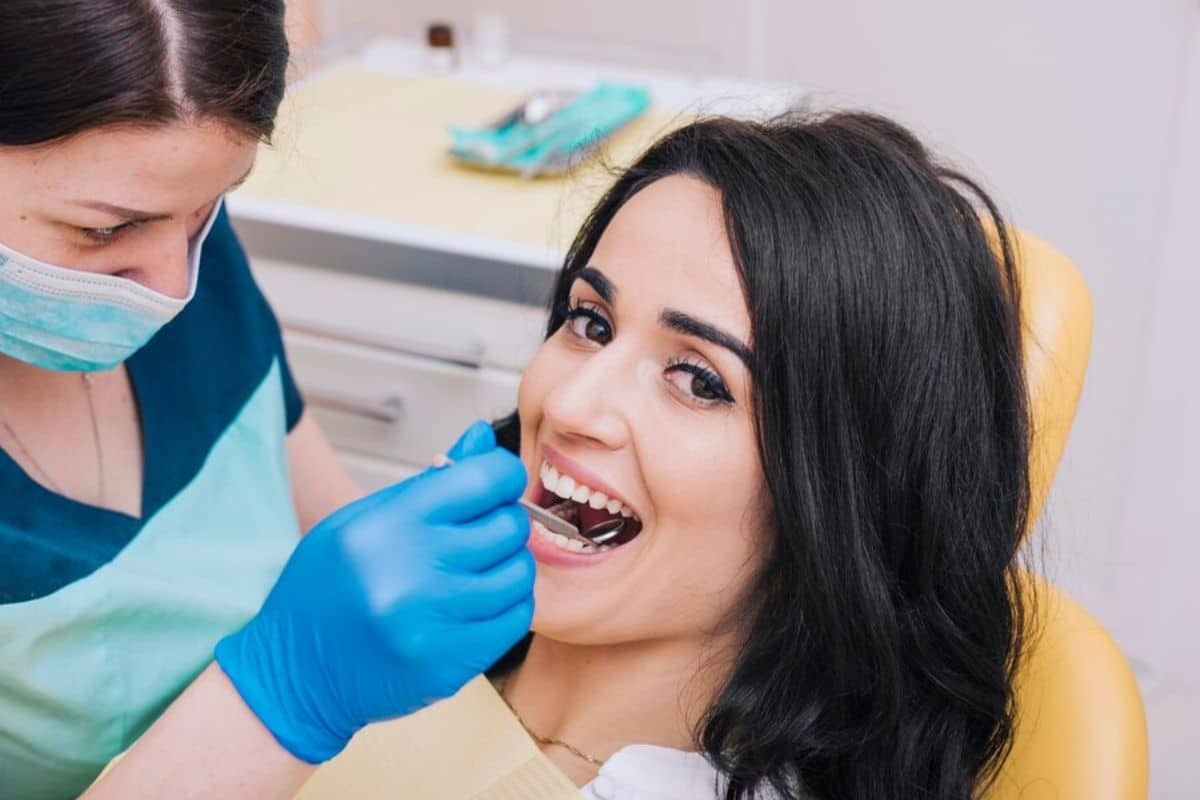
Orthodontic treatment has become increasingly popular, with millions of people seeking straighter teeth and healthier smiles each year. However, despite its prevalence, many misconceptions about orthodontic treatment persist. These myths can lead to unnecessary fear, hesitation, or confusion about whether to pursue treatment. In this blog, we’ll debunk some of the most common misconceptions about orthodontic treatment to help you make informed decisions about your oral health.
1. Orthodontic Treatment Is Only for Children and Teens
One of the most widespread misconceptions is that orthodontic treatment is only for children and teenagers. While it’s true that many people undergo orthodontic treatment during their adolescent years, adults can benefit just as much from braces or other orthodontic options. In fact, more adults are opting for orthodontic treatment than ever before.
Modern advancements in orthodontics, such as clear aligners and less visible braces, have made it easier and more appealing for adults to seek treatment. Whether you’re 25 or 55, it’s never too late to improve your smile and oral health.
2. Braces Are the Only Option for Orthodontic Treatment
When most people think of orthodontic treatment, they immediately picture metal braces. While braces are a common and effective treatment option, they’re not the only choice available. Today’s orthodontic treatments offer a variety of solutions tailored to different needs and preferences.
For instance, clear aligners like Invisalign have become a popular alternative to traditional braces. These removable, nearly invisible trays gradually move your teeth into alignment without the metal brackets and wires. Other options include ceramic braces, lingual braces (which are placed behind the teeth), and even advanced appliances for specific orthodontic issues.
The variety of treatment options means that your orthodontist can create a personalized plan that suits your lifestyle and dental needs.
3. Orthodontic Treatment Is Just About Aesthetics
Another common misconception is that orthodontic treatment is solely about improving the appearance of your smile. While aesthetics are an important benefit, the primary goal of orthodontics is to enhance oral health and function.
Crooked, crowded, or misaligned teeth can lead to several dental problems, including difficulty cleaning teeth properly, which increases the risk of cavities and gum disease. Misaligned teeth can also cause issues with chewing, speaking, and even breathing. By correcting these problems, orthodontic treatment can improve your overall oral health and prevent long-term complications.
4. Orthodontic Treatment Is Painful and Uncomfortable
The idea that orthodontic treatment is painful can deter many people from seeking the care they need. While some discomfort is to be expected, particularly after adjustments or when starting a new set of aligners, modern orthodontic treatment is designed to be as comfortable as possible.
Technological advancements have led to more gentle and effective treatment options. For example, today’s braces use lighter, more flexible wires that gradually move teeth with less force. Clear aligners are custom-made to fit your teeth snugly and apply gentle pressure to guide them into place.
Any discomfort you may experience is usually mild and temporary. Over-the-counter pain relievers and orthodontic wax can help alleviate any irritation. Most patients find that the short-term discomfort is well worth the long-term benefits of a healthier, straighter smile.
5. Orthodontic Treatment Takes Too Long
The perception that orthodontic treatment takes years to complete is another misconception. While the length of treatment varies depending on the complexity of the case, advancements in orthodontics have significantly reduced treatment times for many patients.
In some cases, treatment can be completed in as little as 6 to 12 months, particularly with the use of clear aligners or accelerated orthodontic techniques. Even with traditional braces, treatment times have improved, and patients often see noticeable results within a few months.
Your orthodontist will provide you with a personalized treatment plan and timeline, so you’ll know what to expect. Patience is key, but the end result—a beautiful, functional smile—is well worth the wait.
6. Orthodontic Treatment Is Too Expensive
Cost is a common concern for those considering orthodontic treatment. However, there are many ways to make treatment more affordable. Most orthodontic practices offer payment plans, financing options, and work with insurance providers to help cover the costs.
It’s also important to consider the long-term value of orthodontic treatment. Investing in your oral health now can prevent more serious and costly dental issues in the future. Straightening your teeth can reduce the risk of cavities, gum disease, and even tooth loss, which could save you money on dental care in the long run.
Conclusion
Orthodontic treatment is a valuable investment in your oral health and overall well-being, but misconceptions can sometimes stand in the way of pursuing it. By understanding the truth behind these common myths, you can make a more informed decision about whether orthodontic treatment is right for you or your child. Whether you’re considering braces, clear aligners, or another orthodontic option, consult with a qualified orthodontist to discuss your specific needs and goals. A healthier, more confident smile is within reach—no matter your age or circumstances.
Recent Post
June 12, 2026
Tooth Proportions and Symmetry in Cosmetic Smile Design
June 5, 2026
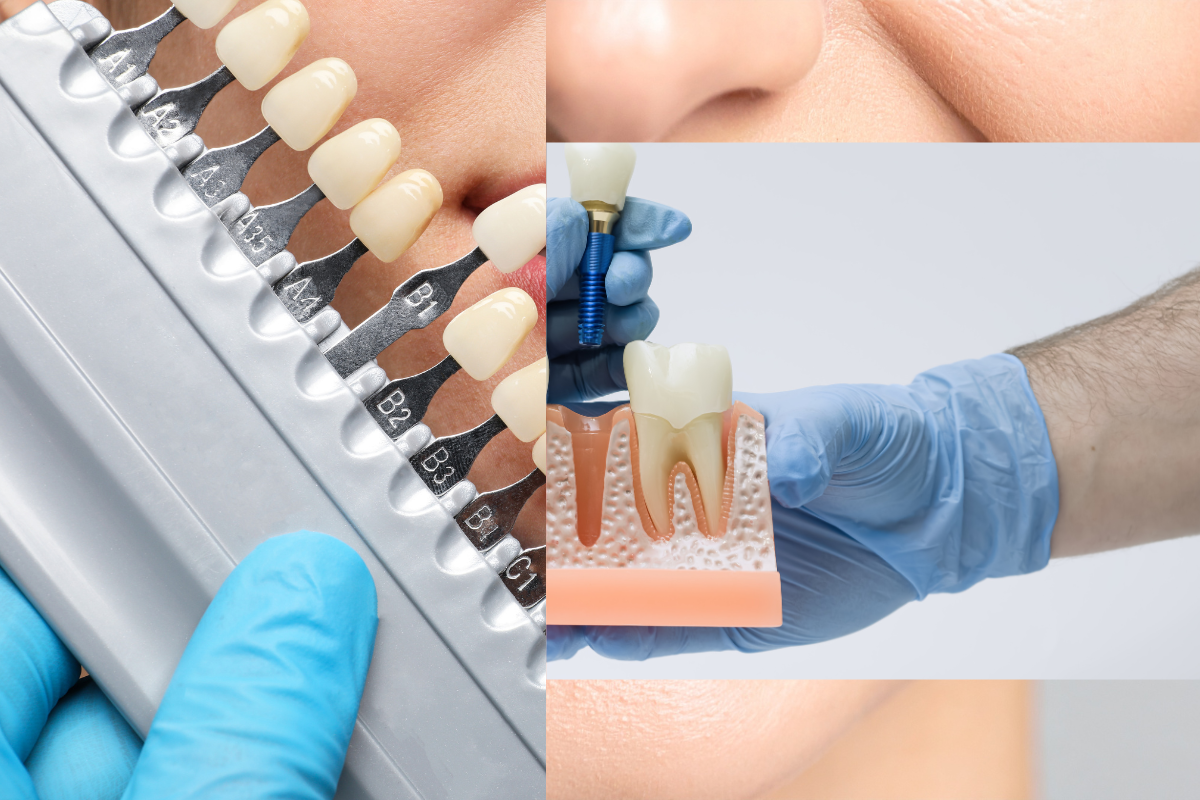
Dental Implants and Cosmetic Dentistry: Creating Natural-Looking Smiles

May 29, 2026
The Do’s and Don’ts of Routine Dental Care for All Ages
May 22, 2026
How Dentists Detect Early Signs of Serious Health Conditions

May 15, 2026