
Book Online
The Truth About Invisalign and Snoring: What You Need to Know
September 30, 2025
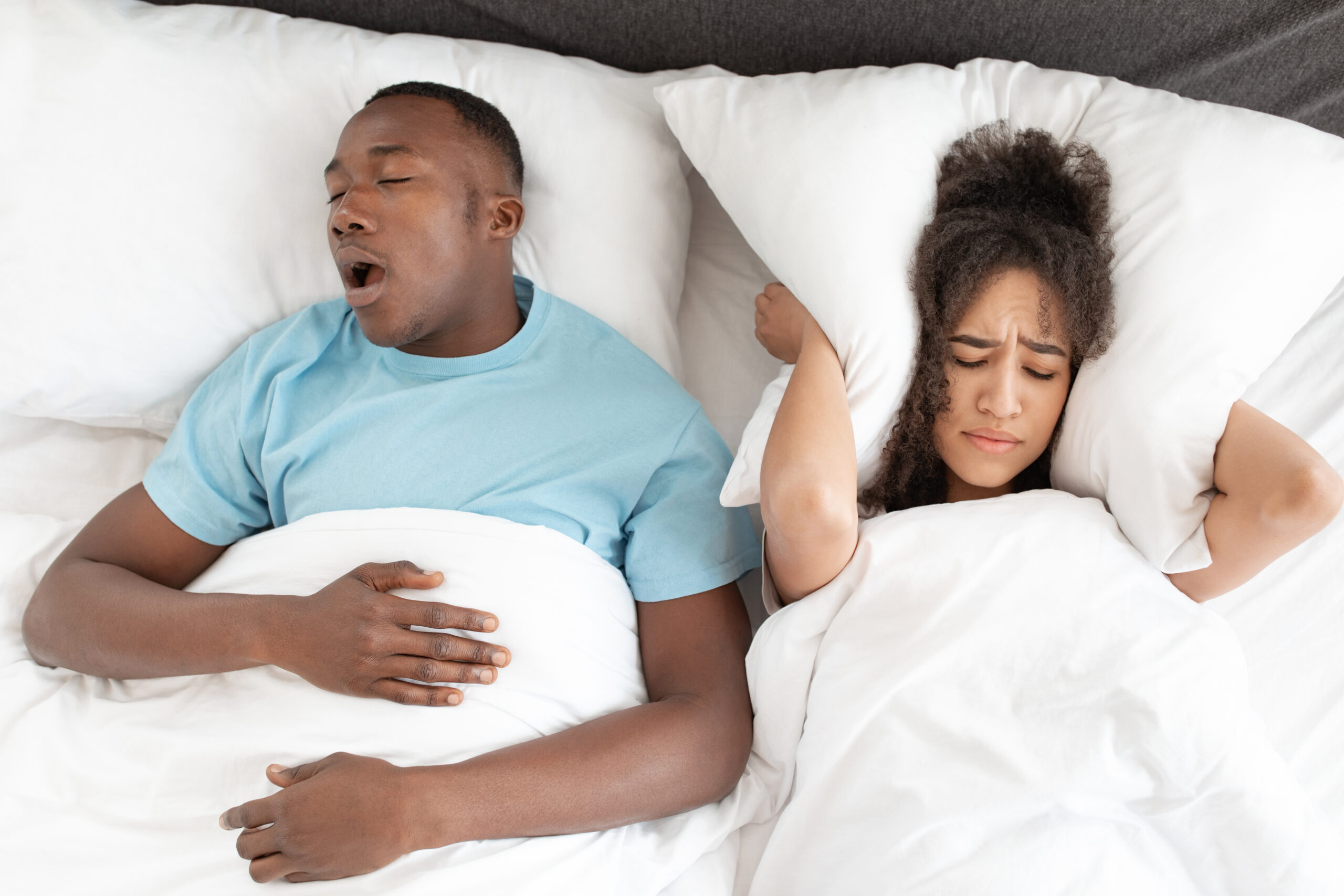
If you’re considering Invisalign treatment, you might wonder how these clear aligners could affect your sleep. Some patients worry that wearing plastic trays in their mouth all night might make snoring worse. Others hope that straighter teeth might actually help reduce snoring. So what’s the real story?
Let’s clear up the confusion and give you the facts about Invisalign and snoring, backed by science and real patient experiences.
How Invisalign Works During Sleep
Invisalign aligners are designed to be worn 20-22 hours per day, including while you sleep. These thin, custom-made trays gradually shift your teeth into better positions over time. Unlike traditional braces with metal wires and brackets, Invisalign aligners are smooth and barely noticeable.
Most patients adjust to sleeping with their aligners within the first week of treatment. The aligners are made from medical-grade plastic that’s only about 0.3mm thick, making them comfortable for nighttime wear.
The Connection Between Teeth Position and Snoring
Your jaw position and teeth alignment can influence your airway space. When teeth are crooked or your bite is off, it can sometimes affect how your tongue rests in your mouth. This positioning may contribute to airway restrictions that lead to snoring.
Straightening your teeth with Invisalign can potentially improve your jaw alignment and create more space in your airway. However, it’s important to note that snoring has many causes, including weight, sleep position, nasal congestion, and sleep apnea.
Can Invisalign Make Snoring Worse Initially?
Some patients do experience temporary changes in their snoring patterns when they first start Invisalign treatment. Here’s why this might happen:
Adjustment Period: Your mouth needs time to get used to having aligners in place. During the first few nights, some people may breathe differently or feel like their mouth is slightly more full.
Speech Changes: If you notice temporary changes in how you speak during the day, similar adjustments might affect breathing patterns at night.
Saliva Production: Some patients produce more saliva initially, which could temporarily affect sleep comfort.
These effects typically resolve within 1-2 weeks as your mouth adapts to the aligners.
Can Invisalign Reduce Snoring?
The connection: Crooked teeth and poor bite alignment can affect jaw position and airway space. When Invisalign straightens teeth, it may:
✓ Improve jaw alignment
✓ Create more airway space
✓ Reduce teeth grinding
✓ Position tongue more favorably
However, snoring has many causes including weight, sleep position, and medical conditions. Invisalign isn’t a snoring cure.
The Long-Term Benefits for Sleep Quality
Many patients report improved sleep quality as their Invisalign treatment progresses. When teeth move into better alignment, several positive changes can occur:
Better Jaw Position: Proper alignment can help your jaw rest in a more natural position, potentially opening your airway.
Reduced Teeth Grinding: Straighter teeth often reduce nighttime grinding, which can improve overall sleep quality.
Improved Oral Health: Better aligned teeth are easier to clean, leading to healthier gums and reduced inflammation that might affect breathing.
What Research Shows
Studies on orthodontic treatment and sleep breathing show mixed results. The American Sleep Association notes that while dental devices can help some breathing issues, straightening teeth alone doesn’t guarantee snoring reduction.
Key point: Results vary significantly between patients.
Patient Experiences
Week 1: “Felt weird sleeping with trays, slight increase in snoring”, Month 3: “Getting used to it, no snoring changes”, Month 8: “Actually sleeping better, less grinding”
Treatment end: “Snoring improved, but hard to say if it’s from Invisalign or weight loss”.
What to Expect: Realistic Timeline
Month 1: Adjustment period, possible minor sleep changes Months 2-6: Getting comfortable, early tooth movement Months 6-12: Noticeable alignment improvements Month 12+: Treatment completion, final results
Any sleep-related benefits typically appear in the later stages as teeth reach their final positions.
Cost and Insurance Considerations
Most insurance plans treat Invisalign as cosmetic dentistry, but some cover it if there’s a medical component like jaw problems. Sleep apnea treatments are typically covered separately.
Check with your provider about:
- Orthodontic benefits
- Medical necessity documentation
- Payment plans available
When to Seek Additional Help
If you’re dealing with serious snoring or sleep apnea, Invisalign treatment should be part of a broader approach to better sleep health. Consider consulting with:
- A sleep medicine specialist for comprehensive evaluation
- An ENT doctor to rule out nasal or throat issues
- Your primary care physician to discuss weight management or other health factors
an experienced dentist in Corpus Christi who understands both cosmetic dentistry and sleep-related breathing issues can help you get the best results from your treatment.
FAQs: Invisalign and Snoring
1. Will Invisalign cure my snoring?
Invisalign isn’t a snoring treatment, though some patients do see improvements as their bite corrects. If snoring is a major concern, discuss this with both your dentist and a sleep specialist.
2. Should I remove my aligners if I snore more at first?
No, keep wearing your aligners as prescribed. Initial changes usually resolve quickly. Contact your dentist if problems persist beyond two weeks.
3. Can Invisalign help with sleep apnea?
Invisalign alone isn’t a sleep apnea treatment. However, improved jaw alignment might complement other sleep apnea therapies. Always work with a sleep medicine doctor for apnea concerns.
4. What if my snoring gets worse during treatment?
Temporary increases in snoring are usually short-lived. If snoring becomes significantly worse or doesn’t improve after the adjustment period, discuss this with your treatment provider.
5. Are there special Invisalign aligners for snoring?
Standard Invisalign aligners aren’t designed specifically for snoring. However, some patients benefit from the improved jaw positioning that comes with straighter teeth.
6. How long before I notice changes in my sleep?
Most patients adjust to sleeping with aligners within a week. Any benefits related to improved tooth alignment typically become noticeable several months into treatment.
Making the Right Choice for You
Invisalign offers many benefits beyond just straighter teeth. While it’s not primarily a snoring solution, some patients do experience better sleep as their bite improves and their jaw finds a more comfortable position.
The key is having realistic expectations and working with a qualified provider who can assess your individual situation. If you’re in the Corpus Christi area and finding a local cosmetic dentistry specialist provider options, look for a practice that takes a comprehensive approach to oral health and understands how dental treatment can affect your overall well-being.
Conclusion
Don’t let concerns about snoring keep you from achieving the smile you want. Schedule a consultation with a qualified dental professional who can evaluate your specific needs and discuss how Invisalign might fit into your overall health goals.
With the right guidance and realistic expectations, you can work toward both a better smile and potentially better sleep. Take the first step today and discover what Invisalign can do for you.
Recent Post

May 29, 2026
The Do’s and Don’ts of Routine Dental Care for All Ages
May 22, 2026
How Dentists Detect Early Signs of Serious Health Conditions

May 15, 2026
Smoking and Dental Implants: Risks You Should Know
May 9, 2026
Daily Dental Care Routine: What You Should Be Doing Every Day
April 30, 2026