
Book Online
How to Stop Food from Sticking to Your Dentures? Expert Tips from a Dentist
December 3, 2024
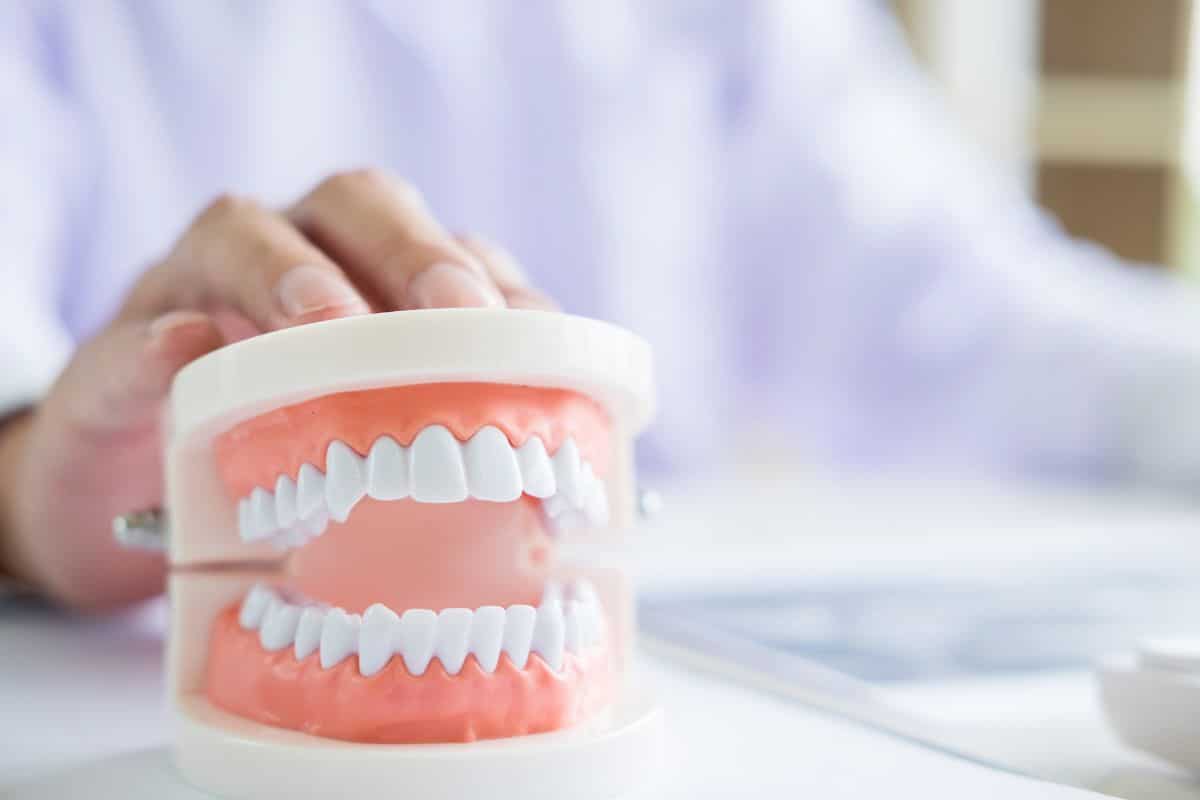
Dealing with food that sticks to your dentures can be frustrating and embarrassing. Whether you’re enjoying a family dinner or grabbing lunch with friends, the last thing you want is food particles clinging to your dentures. This common problem affects millions of denture wearers, but with the right techniques and care routine, you can enjoy your favorite foods without worry.
Why Does Food Stick to Dentures?
Unlike natural teeth, dentures don’t have the same surface texture and attachment to your gums. The smooth plastic or acrylic surface of dentures can create a suction effect that traps food particles. Poor fit, inadequate cleaning, or worn-out dentures make this problem worse.
When dentures don’t fit properly, gaps form between the denture and your gums. These spaces become perfect hiding spots for food debris. Over time, this can lead to bad breath, gum irritation, and even infections.
Essential Tips to Prevent Food from Sticking
1. Choose Your Foods Wisely
Some foods are natural troublemakers for denture wearers. Sticky or chewy foods like caramel, taffy, and gum should be avoided. Seeds, nuts, and popcorn can get trapped easily and cause discomfort.
Instead, focus on softer options like:
- Cooked vegetables
- Tender meats
- Fish
- Pasta
- Rice
- Soft fruits
Cut your food into smaller pieces to make chewing easier and reduce the chance of large particles getting stuck.
2. Use Denture Adhesive Properly
A good denture adhesive creates a better seal between your dentures and gums. This reduces gaps where food can hide. Apply a thin, even layer of adhesive to clean, dry dentures. Don’t use too much, as excess adhesive can actually attract more food particles.
The American Dental Association recommends using only ADA-approved denture adhesives for safety and effectiveness.
3. Maintain Proper Oral Hygiene
Clean your dentures after every meal when possible. Rinse them under running water to remove loose food particles. Use a soft-bristled toothbrush or denture brush with mild soap or denture cleaner.
Don’t forget to clean your mouth too. Gently brush your gums, tongue, and roof of your mouth with a soft brush. This removes bacteria and food particles that regular denture cleaning might miss.
Professional Solutions and When to Seek Help
1. Regular Dental Checkups
A qualified dentist in corpus christi can evaluate your denture fit and suggest improvements. Regular checkups help catch problems early before they become major issues. Your dentist can also recommend specific products or techniques based on your individual needs.
2. Denture Adjustments and Relining
Over time, your mouth shape changes, and dentures may no longer fit properly. A dentist in corpus christi can adjust or reline your dentures to improve their fit. Better-fitting dentures mean fewer spaces for food to get trapped.
3. Consider Denture Alternatives
If traditional dentures continue to cause problems, discuss alternatives with your dental professional. Options like implant-supported dentures or partial dentures might work better for your situation.
Advanced Care Tips
Temperature Awareness
Dentures can affect your ability to sense hot and cold temperatures. Be careful with hot foods and drinks to avoid burning your mouth. Let food cool slightly before eating.
Chewing Technique
Chew slowly and use both sides of your mouth equally. This helps distribute pressure evenly and prevents your dentures from shifting during meals.
Stay Hydrated
Drinking water during meals helps wash away food particles and keeps your mouth moist. Saliva plays a crucial role in keeping your mouth clean and comfortable.
Creating a Daily Care Routine
Establishing a consistent care routine makes a huge difference in preventing food from sticking to your dentures. Start each day by cleaning your dentures thoroughly and applying adhesive if needed.
According to research published by the National Institute of Dental and Craniofacial Research, proper denture care can prevent most common problems associated with denture wear.
After meals, rinse your mouth and dentures when possible. Before bed, remove your dentures, clean them thoroughly, and soak them overnight. This routine keeps your dentures in good condition and your mouth healthy.
FAQs: Dentures
How often should I clean my dentures?
Ans: Clean them after every meal and always before bed. Soak overnight in denture cleaner.
Can I eat crunchy foods with dentures?
Ans: Avoid very hard foods like ice, hard candies, and tough nuts. They can damage or dislodge your dentures.
What should I do if food gets stuck during a meal?
Ans: Rinse with water and gently brush your dentures. Never use sharp objects to remove stuck food.
How long do dentures typically last?
Ans: Most dentures last 5-7 years with proper care and regular dental checkups.
Is it normal for new dentures to feel uncomfortable?
Ans: Yes, expect a few weeks of adjustment period. Contact your dentist if discomfort continues.
Can denture adhesive cause health problems?
Ans: No, when used as directed. Don’t use excessive amounts and follow package instructions.
Should I remove my dentures at night?
Ans: Yes, remove them nightly to let your gums rest. Soak in cleaning solution overnight.
The Importance of Professional Care
Even with excellent home care, proper dental clinic visits to a corpus christi dentist are essential. Professional cleanings and adjustments help maintain optimal denture function. Your dental team can spot potential problems early and provide solutions before they become serious issues.
A dentist in corpus christi can also provide personalized advice based on your specific needs and lifestyle. They understand the unique challenges of denture wear and can recommend products or techniques that work best for you.
Conclusion
Preventing food from sticking to your dentures requires the right combination of proper care, good eating habits, and professional support. By following these expert tips and maintaining regular dental visits, you can enjoy your favorite foods with confidence.
Remember that every person’s experience with dentures is different. What works for one person may not work for another. Be patient with yourself as you adjust to wearing dentures, and don’t hesitate to ask for help when needed.
Ready to improve your denture experience?
Schedule an appointment with Tide Dental Orthodontics & Dental Implants. They can assess your current denture fit, recommend improvements, and help you develop a personalized care routine. Your comfort and confidence while eating are worth the investment in professional dental care.
Recent Post

May 29, 2026
The Do’s and Don’ts of Routine Dental Care for All Ages
May 22, 2026
How Dentists Detect Early Signs of Serious Health Conditions

May 15, 2026
Smoking and Dental Implants: Risks You Should Know
May 9, 2026
Daily Dental Care Routine: What You Should Be Doing Every Day
April 30, 2026