
Book Online
A Comprehensive Guide On How To Prepare For A Periodontal Examination
March 9, 2023
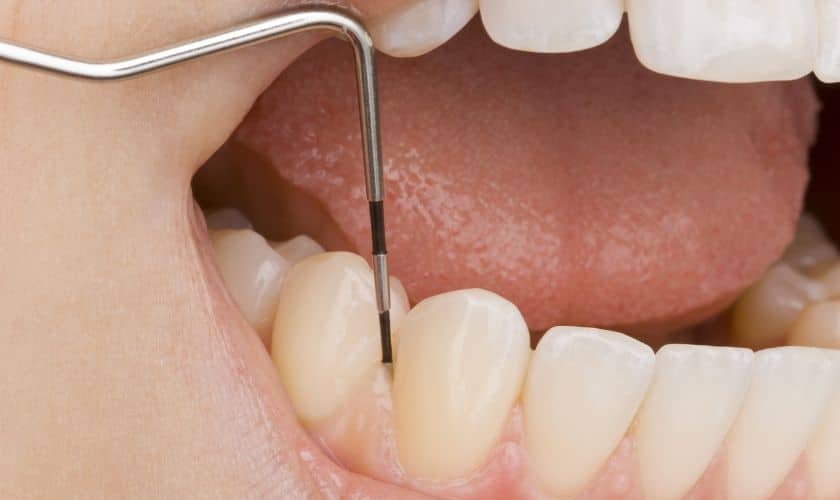
If your dentist has referred you to a periodontal exam, it is completely normal to feel a little unsure about what to expect. Many people skip or delay this exam simply because they do not know what it involves. But knowing what to expect ahead of time can make the experience much less stressful.
This guide walks you through everything you need to know before your appointment, so you can walk in feeling confident and prepared.
What Is A Periodontal Examination?
A periodontal examination is a detailed checkup of your gums, jawbone, and the tissues that hold your teeth in place. It is different from a regular dental cleaning. During this exam, your dental provider measures the space between your teeth and gums, checks for bone loss, and looks for early signs of gum disease.
This type of exam is important because gum disease often develops without causing obvious pain. By the time you notice symptoms, the damage may already be serious. Catching it early gives you the best chance of keeping your teeth and gums healthy for the long run.
Why This Exam Matters For Your Oral Health
Gum disease is one of the most common dental problems among adults in the United States. Research shows that nearly half of adults over 30 have some form of periodontal disease. Left untreated, it can lead to tooth loss and has been linked to other health issues like heart disease, diabetes, and respiratory problems.
For residents across Corpus Christi and surrounding coastal communities, factors like diet, humidity, and access to consistent dental care can all play a role in gum health. That is why many periodontists in Corpus Christi see a steady number of patients who need early gum disease intervention.
Getting this exam is a straightforward step toward protecting your overall health, not just your smile.
How To Prepare Before Your Appointment
Preparation starts a few days before you even walk through the door. Here is what you should do:
Gather Your Medical History
Bring a complete list of any medications you are currently taking, including vitamins and supplements. Some medications affect gum tissue or cause dry mouth, which can increase your risk of gum disease. Let your dental provider know about any health conditions you have, especially diabetes, heart disease, or a history of osteoporosis.
Note Any Symptoms You Have Noticed
Write down any changes you have noticed in your mouth. This could include bleeding gums when brushing, persistent bad breath, loose teeth, or gums that look red or swollen. Even small changes are worth mentioning.
Avoid Eating Right Before The Visit
It is fine to eat a light meal a few hours before your appointment. Try to avoid strong-smelling foods like garlic or onions on the day of your visit. Brush and floss before coming in, but do not brush aggressively right before the exam to avoid irritating your gums beforehand.
Be Ready To Share Your Dental History
If you have had previous dental work, bring any relevant records if you can. A history of root canals, dental implants, or prior gum treatments helps the provider understand your full oral health picture.
What Happens During The Exam
Understanding the process helps remove the fear of the unknown. Here is a simple breakdown of what typically happens during a periodontal exam:
Pocket Depth Measurement
Your provider will use a small, painless probe to measure the space between each tooth and the surrounding gum. Healthy pockets measure between 1 and 3 millimeters. Numbers higher than that can indicate gum disease.
X-Rays And Bone Assessment
Dental X-rays help evaluate the bone levels supporting your teeth. Bone loss is a common sign of advanced gum disease and is not always visible from the surface. Skilled periodontists in Corpus Christi rely on these images to create an accurate treatment plan.
Tooth Mobility Check
The provider will gently check whether any of your teeth feel loose or shift. Movement in teeth that should be firmly in place is another indicator of bone or tissue damage.
Plaque And Tartar Review
Buildup along the gumline is a major trigger for gum inflammation. Your provider will note where plaque and tartar have collected and how much.
After The Exam: Understanding Your Results
Once the exam is complete, your provider will explain the findings in plain terms. You may receive one of the following outcomes:
- Healthy gums: No treatment needed beyond regular cleanings and good home care.
- Gingivitis: This is the earliest stage of gum disease. It is reversible with professional cleaning and improved brushing habits.
- Periodontitis: A more advanced stage that may require deep cleaning (called scaling and root planing), medication, or surgical options depending on severity.
Do not feel alarmed if a treatment plan is recommended. Many patients who see a dentist in Corpus Christi for a regular checkup are later referred for a periodontal exam simply as a precautionary measure.
Local Dental Care: What You Should Know
Corpus Christi is home to a growing number of dental practices, from general family dentists to specialty clinics offering periodontal care, orthodontics, and implants. With so many options in the area, patients have real choices when it comes to who handles their care.
That said, not every practice offers the same depth of periodontal services. When choosing where to go, look for a clinic that combines experienced providers, modern diagnostic tools, and a clear communication approach. Reading reviews and asking about available treatment options during your first visit can help you decide if it is the right fit.
For patients searching for a dentist in Corpus Christi who also provides specialty-level gum care under one roof, Tide Dental Orthodontics is worth considering. The clinic serves the local community with a range of dental and orthodontic services designed to address problems early before they become costly.
Simple Habits That Help Between Appointments
Your daily routine plays a big role in the results of your periodontal exam. These habits can make a real difference:
- Brush twice a day using a soft-bristled toothbrush
- Floss once daily, especially along the gumline
- Use an antimicrobial mouthwash if recommended by your provider
- Drink plenty of water throughout the day
- Avoid tobacco products, which significantly increase gum disease risk
- Keep up with professional cleanings every six months, or more often if advised
Small, consistent habits protect your gums far more than any single treatment can.
Frequently Asked Questions
1. How long does a periodontal exam typically take?
Most periodontal exams take between 45 minutes and an hour. If X-rays are needed, add a little extra time.
2. Is a periodontal exam painful?
It is generally not painful, though some patients with sensitive gums may feel mild discomfort when pockets are measured. Let your provider know if you feel any sharp pain.
3. How often should I get a periodontal exam?
It depends on your gum health. Patients with a history of gum disease may need exams every three to four months. Healthy patients typically get one as part of their annual dental checkup.
4. Can I eat before a periodontal exam?
Yes. Eating a light meal a few hours before is fine. Just brush before you come in and avoid strong-smelling foods.
5. What is the difference between a regular dental exam and a periodontal exam?
A regular dental exam looks at your teeth, bite, and overall oral health. A periodontal exam focuses specifically on your gum tissue, bone levels, and signs of gum disease.
6. Do I need a referral to see a periodontal specialist?
In many cases, your general dentist will refer you. Some clinics offer both general and periodontal care, so a separate referral may not always be necessary.
7. What should I do if I am nervous about my appointment?
Tell your dental team ahead of time. They can walk you through each step, answer your questions, and adjust their pace to help you feel more comfortable.
8. Can gum disease be reversed?
Early-stage gum disease (gingivitis) can be fully reversed with proper cleaning and care. Advanced gum disease can be managed but not entirely reversed, which is why early detection matters.
Conclusion
A periodontal exam is one of the most important steps you can take for your long-term oral health. It gives your provider a clear picture of what is happening beneath the surface and helps you stay ahead of problems before they grow.
Whether you are coming in for the first time or following up after treatment, being prepared makes the whole process smoother. Knowing what to bring, what to expect, and what questions to ask puts you in control. If you are looking for a dentist in Corpus Christi who treats patients with care and takes gum health seriously, do not wait for symptoms to appear.
Schedule a consultation with Tide Dental Orthodontics & Dental Implants today and take the first step toward healthier gums and a stronger smile.
Recent Post
June 12, 2026
Tooth Proportions and Symmetry in Cosmetic Smile Design
June 5, 2026
Dental Implants and Cosmetic Dentistry: Creating Natural-Looking Smiles

May 29, 2026
The Do’s and Don’ts of Routine Dental Care for All Ages
May 22, 2026
How Dentists Detect Early Signs of Serious Health Conditions

May 15, 2026