
Book Online
How Often Should You Change Your Toothbrush?
October 1, 2019
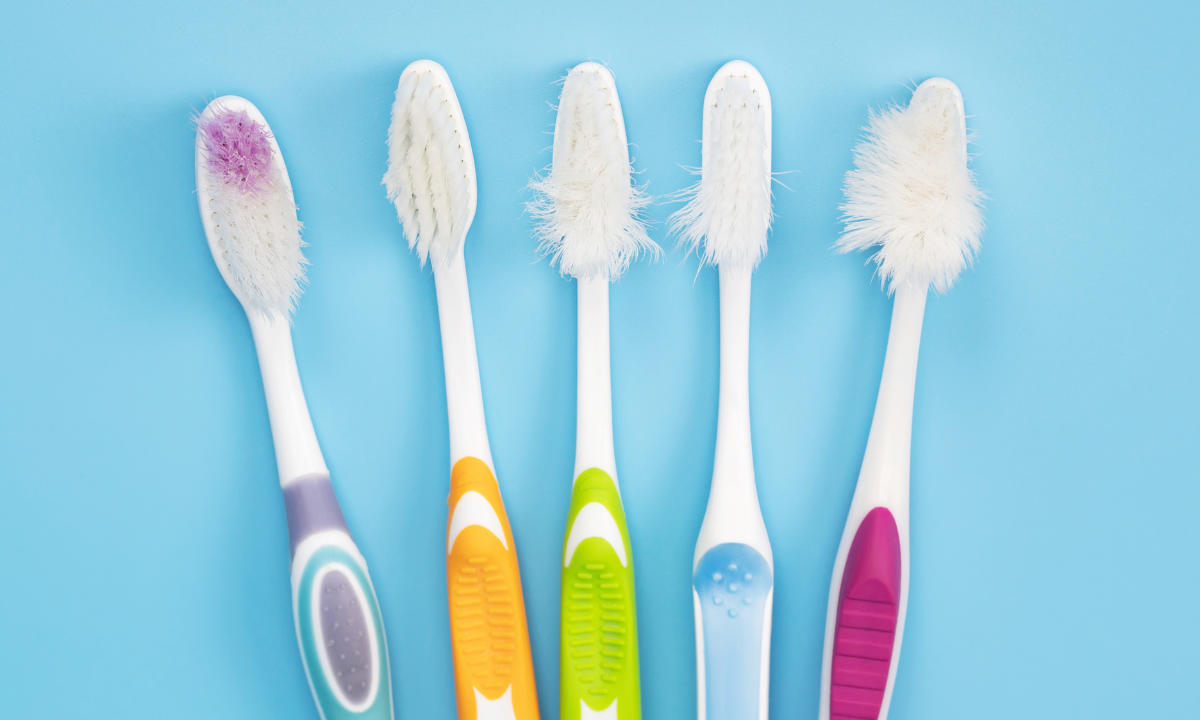
Your toothbrush works hard every single day. It scrubs away food, breaks up plaque, and keeps your gums in good shape. But like any tool you use twice a day, it wears out. Most people keep a toothbrush far longer than they should, and that small habit can quietly undo a lot of good brushing.
If you have ever stood in the toothpaste aisle wondering whether your brush still works well enough, you are not alone. Our team at Tide Dental Orthodontics & Dental Implants hears this question often. As a dentist in corpus christi, we want our patients to understand not just what to do, but why it matters for their long term oral health. Getting this one small habit right protects a lot of the work you already put into your smile.
Plenty of patients search for a dentist near me only after a problem shows up, like sore gums or a toothache. A little attention to your toothbrush now can help you avoid that visit altogether, or at least make it a much easier one.
Why Brushing Habits Matter More Than You Think
Good oral hygiene starts long before you ever sit in a dental chair. It starts each morning and night with the two minutes you spend at your sink. Proper brushing habits remove the soft, sticky layer of bacteria called plaque before it hardens into tartar. Skip a few days of solid brushing, or use a brush that has lost its shape, and that plaque builds up fast.
Dental hygiene is not just about fresh breath or a bright smile. It protects the bone and tissue that hold your teeth in place. A daily dental care routine that includes the right brush, used the right way, is one of the simplest ways to avoid cavities, gum disease, and costly dental work later on.
Toothpaste gets a lot of attention in commercials, but the brush itself does most of the physical work. A brush with the right bristle type, held at the right angle, matters more than which tube of toothpaste sits next to it. That is why effective tooth brushing depends just as much on your equipment as it does on your technique.
So, How Often Should You Replace Your Toothbrush?
The American Dental Association recommends changing your toothbrush every three to four months. That is the general rule most dentists follow, and it applies to both manual brushes and the heads on electric toothbrushes.
This timeline is not random. Studies on brush wear show that bristles start to splay and lose their firmness around the three month mark for most people. Once that happens, the brush cannot reach into the small grooves and tight spaces between your teeth the way a fresh one can. Your daily dental care routine stays the same, but the tool doing the work has quietly stopped pulling its weight.
Your own habits shift this timeline a little. Someone who brushes hard, uses a firm bristle brush, or brushes more than twice a day may need a new brush sooner than three months. Someone with a gentle touch and a soft bristle brush might stretch closer to four months. Either way, four months is the outer limit most dentists recommend for keeping the same brush in rotation.
Signs Your Toothbrush Needs to Go
You do not have to count days on a calendar to know it is time. Your brush usually tells you first. Look for these signs:
- Frayed or bent bristles. If the bristles point in different directions instead of standing straight, they cannot clean teeth evenly anymore.
- Bristles falling out. A brush shedding bristles has already broken down well past the point of being useful.
- A rough feeling after brushing. Run your tongue over your teeth once you finish. If your teeth do not feel smooth and clean, the brush is not doing its job.
- Faded color indicator. Many brushes include a colored strip that fades with use as a built in reminder to swap it out.
- Recent illness. After a cold, flu, or strep throat, replace your brush so you are not reintroducing the same germs into your mouth.
Waiting until a brush looks obviously worn out is a mistake. By the time bristles are visibly frayed, you have likely been brushing with reduced effectiveness for weeks.
Manual vs. Electric Toothbrush Replacement
Both types of toothbrushes need regular replacement, but the details differ slightly. Here is a simple comparison to keep in your bathroom cabinet, so to speak.
| Toothbrush Type | Replace Every | Watch For | Best For |
| Manual toothbrush | 3 to 4 months | Frayed, flattened, or splayed bristles | Anyone, especially those on a budget |
| Electric toothbrush head | 3 months (or per manufacturer guidance) | Worn bristles, reduced vibration feel | Patients who brush too hard or have limited hand mobility |
| Children’s toothbrush | 2 to 3 months | Chewed or bent bristles, brush size too small | Kids who brush vigorously or bite the bristles |
| Post-illness toothbrush | Immediately after recovery | No visible sign, replace regardless | Anyone recovering from a cold, flu, or infection |
Electric brush heads often need attention sooner than people expect, since the constant vibration can wear bristles down faster than manual brushing does. If you use an electric toothbrush, check the head monthly rather than waiting for a reminder.
Why an Old Toothbrush Can Hurt Your Smile
A worn brush does more than clean less effectively. It can actually cause harm. Bristles that have gone stiff or bent tend to scrape against your gums instead of gliding over them. Over time, that friction can wear down your gum line and make your teeth more sensitive.
Bent bristles also skip over plaque instead of lifting it away. That leftover plaque hardens into tartar, which only a dental cleaning can remove. Left alone long enough, plaque buildup leads to gum inflammation, cavities, and in more serious cases, gum disease that affects the bone supporting your teeth.
Kids tend to wear out brushes fastest. They often brush with more energy than technique, and it is common for a child’s brush to need replacing every two to three months. If your child wears braces or another orthodontic appliance, their brush works even harder and should be checked often for wear around the wires and brackets.
Toothbrush Care Tips Between Replacements
Replacing your brush on schedule is only part of the picture. Toothbrush care in between replacements helps it stay effective and hygienic for its full lifespan.
- Rinse your brush thoroughly with water after every use to clear away leftover toothpaste and food particles.
- Store it upright and let it air dry. A wet brush kept in a closed container gives bacteria a place to grow.
- Keep your brush away from other people’s brushes, even if they share the same holder. Bristles touching bristles can spread germs.
- Never share a toothbrush, even with family members.
- Skip the boiling water or dishwasher trick. It can warp the bristles and shorten the brush’s life even faster.
Maintaining oral hygiene is a daily habit built from small, consistent choices. A clean, fresh brush is one of the easiest pieces to get right.
When Healthy Brushing Habits Aren’t Quite Enough
Even with a fresh brush and solid technique, brushing alone cannot reach everywhere. Flossing clears the tight spaces between teeth that bristles cannot touch, and professional cleanings remove tartar that has already hardened. A strong dental care routine at home works best alongside regular checkups.
This is where a routine dental exam and cleaning plays such an important role. During a routine visit, any dentist in Corpus Christi can spot early signs of gum irritation, uneven wear from a worn out brush, or brushing technique that needs adjusting. Catching those issues early, before they turn into bigger problems, is a lot easier on both your teeth and your wallet.
Meet Our Dentists
Good oral health advice means more when it comes from people who see patients every day. Here is a little about the team behind the care we provide in Corpus Christi.
Dr. Joel Khoo earned his Bachelor of Dental Surgery from the National University of Singapore and went on to complete a Master of Science in Prosthodontics at the University of Iowa. He focuses on restoring smiles for patients dealing with more complex dental health needs, and he brings a calm, reassuring approach to patients who feel nervous about dental visits. Dr. Khoo lives in Corpus Christi with his family and has spent his career helping local patients rebuild confidence in their smiles.
Dr. ReAnn Boss, a Texas native, earned her dental degree from what is now the Texas A&M College of Dentistry and completed a residency in Advanced Education in General Dentistry with the Air Force. After several years in general dentistry, including military service and teaching, she returned to school for a Certificate in Orthodontics from A.T. Still University’s Arizona School of Dentistry and Oral Health. She now leads orthodontic care for patients of all ages at our practice.
Dr. Tina Huynh grew up right here in Corpus Christi and returned home to practice general dentistry after completing her Doctor of Dental Medicine degree at Roseman University of Health Sciences. She is known for creating a relaxed, welcoming visit for patients who feel anxious about the dentist, and she is committed to staying current with the latest techniques in patient care.
Together, this team brings decades of combined experience to every appointment, whether it is a routine cleaning, an orthodontic checkup, or a more involved restorative procedure.
Choosing a Dental Team You Can Stick With
Good brushing habits at home go a long way, but they work best when paired with a dental team you trust. If you have been searching for a dentist near me and looking for a practice that takes the time to explain what your mouth actually needs, our doors are open. We offer general dentistry, orthodontics, and restorative care for the whole family in one convenient Corpus Christi location.
Frequently Asked Questions
1. Is it okay to use the same toothbrush for six months if it still looks fine?
No. Bristles lose their shape and cleaning ability well before they look visibly worn. Stick to the three to four month guideline even if the brush still looks new.
2. Do electric toothbrush heads wear out faster than manual brushes?
They can. The constant vibration puts extra stress on the bristles, so many manufacturers recommend checking the head monthly and replacing it around the three month mark.
3. Should children’s toothbrushes be replaced more often than adult ones?
Yes, usually every two to three months. Kids tend to brush harder and sometimes chew on the bristles, which wears the brush down faster.
4. What toothbrush is best for sensitive gums?
A soft-bristled brush is almost always the safer choice. Firm or medium bristles can irritate sensitive gums and wear down enamel over time.
5. Can an old toothbrush actually make me sick?
An old, worn brush can harbor bacteria and clean less effectively, which raises the risk of gum irritation and cavities. After an illness like a cold or flu, it is best to swap your brush right away.
6. How do I know if my brushing technique needs improvement, not just a new brush?
If your gums bleed regularly or your teeth still feel rough after brushing with a fresh brush, it may be a technique issue. A dental exam can help identify what is happening.
7. Is it necessary to replace a toothbrush after every cold or flu?
Yes. Viruses and bacteria can linger on the bristles, and a fresh brush lowers the chance of reinfecting yourself or others in your household.
8. Does brushing too hard damage teeth as much as using an old brush?
Both can cause harm. Brushing too hard wears down enamel and irritates gums, while an old brush fails to clean effectively. A soft touch with a fresh brush is the safest combination.
A Small Habit With a Big Payoff
Changing your toothbrush every three to four months is one of the easiest habits to build into your routine. Pair that habit with regular visits to your dentist in corpus christi, and you give your smile a real chance at staying healthy for years to come. It is a small change with a payoff you will notice at every cleaning.
If it has been a while since your last visit, or you are simply searching “dentist near me” for a practice that explains things clearly and treats you like a person, schedule an appointment with Tide Dental Orthodontics & Dental Implants today. Our team is here to help patients across Corpus Christi build brushing habits that actually last.
Recent Post
October 29, 2026
The Long-Term Benefits of Correcting Misaligned Teeth and Bite Problems
October 22, 2026
Creating a Practical Morning and Nighttime Oral Hygiene Routine

October 15, 2026
Tooth Pain When Chewing: Common Problems That May Be Hiding Beneath the Surface
October 12, 2026
Smoking During Dental Implant Treatment: How It Can Affect Healing and Long-Term Results
September 29, 2026