
Book Online
How Can You Build a Simple Daily Dental Care Routine That Protects Your Teeth and Gums?
September 7, 2026
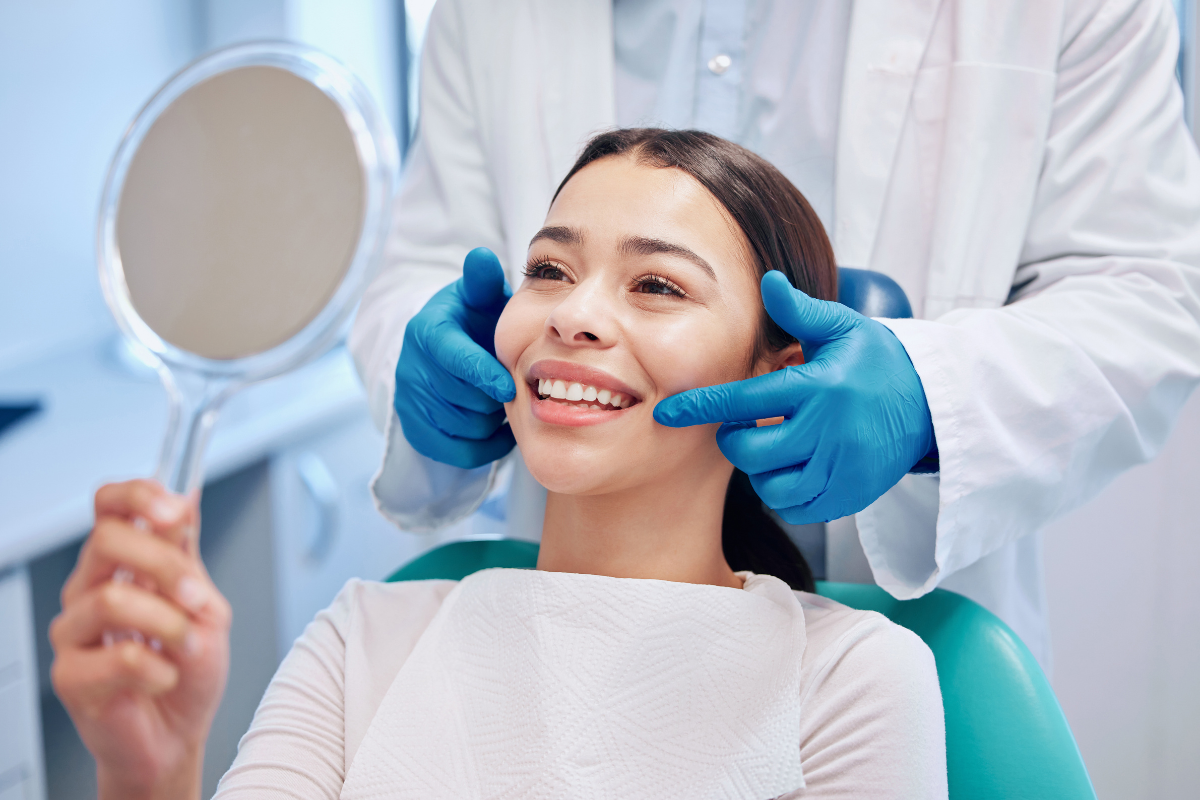
Most people brush their teeth twice a day and figure that is enough. Then a cleaning appointment turns up a cavity or the start of gum disease, and the same question comes up every time: “But I brush every day, so how did this happen?”
The truth is that a good routine is about more than just brushing. It is about doing the right things, in the right order, at the right time. A simple, well built daily routine can prevent most of the problems we see in our chairs every week, from bleeding gums to early tooth decay. At Tide Dental Orthodontics & Dental Implants, we talk our patients through this every day, because prevention is always easier than treatment.
This guide walks you through a routine that actually works, explains why each step matters, and shows you when it is time to bring in a professional.
Why a Daily Routine Matters More Than You Think
Plaque starts forming on your teeth within hours of eating. Left alone, it hardens into tartar, which only a dental tool can remove. That tartar buildup is what leads to cavities, gum inflammation, and eventually gum disease if it is not addressed.
A steady routine breaks this cycle before it starts. It also protects the work you have already had done, like fillings, crowns, or orthodontic treatment. Skipping steps, even for a few days, gives plaque a head start that is hard to catch up on.
For families searching for a dentist in Corpus Christi, building good habits at home is the first line of defense. Nothing replaces professional care, but daily habits decide how much work that care ends up needing to do. Many local families type “dentist near me” into a search bar the moment a toothache shows up, when a steady routine could have prevented that visit altogether.
Step One: Brush the Right Way, Not Just Twice a Day
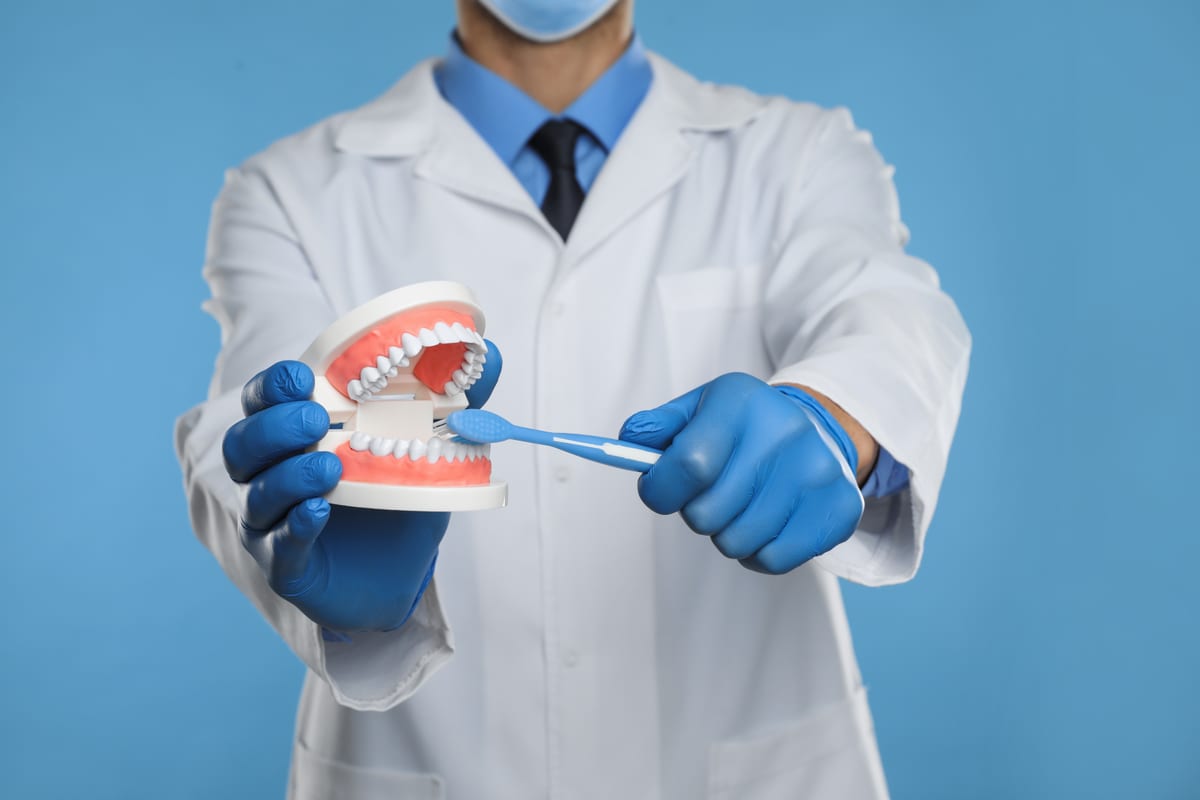
Brushing twice a day is the baseline, but technique matters just as much as frequency.
- Use a soft bristled brush. Hard bristles wear down enamel and irritate gums over time.
- Hold the brush at a slight angle toward the gum line, not straight on.
- Use small, gentle circles instead of hard back and forth scrubbing.
- Brush for a full two minutes, covering the front, back, and chewing surface of every tooth.
- Replace your toothbrush every three months, or sooner if the bristles start to fray.
Many patients brush too hard, thinking more pressure means a cleaner mouth. It actually does the opposite. It wears down enamel and pushes gums back, exposing the tooth root and causing sensitivity.
Step Two: Floss Before You Judge It Unnecessary
Flossing gets skipped more than any other step, yet it reaches the spaces between teeth where a brush simply cannot go. Around a third of each tooth surface sits between teeth, out of reach of bristles.
If traditional floss feels awkward, there are other options that work just as well:
- Floss picks for quick, one handed use
- Water flossers for people with braces, bridges, or sensitive gums
- Interdental brushes for wider gaps between teeth
The method matters less than the habit. Pick whichever tool you will actually use every single day, and stick with it.
Step Three: Rinse With Purpose
Mouthwash is not required, but the right one adds a layer of protection brushing and flossing miss. Look for a rinse with fluoride if you want extra cavity protection, or an antimicrobial rinse if gum health is a bigger concern for you.
Rinse after brushing and flossing, not before, so the mouthwash is not just washing away the fluoride from your toothpaste. Swish for about thirty seconds and avoid eating or drinking right after for the best effect.
Step Four: Watch What and When You Eat
Diet plays a bigger role in oral health than most people realize. Sugar feeds the bacteria that cause decay, but timing matters as much as amount.
- Constant snacking keeps your mouth in an acidic state all day, which wears down enamel.
- Sticky and chewy foods, like dried fruit or candy, cling to teeth longer than most snacks.
- Water is the safest drink between meals. It rinses the mouth naturally and does not feed bacteria.
- Crunchy fruits and vegetables, like apples and carrots, help clean teeth as you chew.
A simple rule that works well: if you are going to have something sugary, have it with a meal rather than as a standalone snack. Saliva production during meals helps neutralize acid faster.
Step Five: Do Not Skip Your Dental Visits
Home care handles daily maintenance, but it cannot remove hardened tartar or catch problems hiding below the gum line. This is where a trusted dentist in Corpus Christi becomes part of your routine, not just a stop you make when something already hurts. Routine checkups and cleanings, usually every six months, are where small issues get caught before they turn into bigger, more expensive ones.
Common Daily Routine Mistakes We See Often
A few habits show up again and again in our patients, and fixing them makes a real difference:
| Mistake | Why It Hurts | What To Do Instead |
| Brushing right after eating acidic food | Enamel is softened and brushing wears it away faster | Wait 30 minutes after eating before brushing |
| Using a hard bristled brush | Wears enamel and irritates gum tissue | Switch to soft bristles |
| Skipping flossing on busy days | Plaque builds up between teeth undisturbed | Keep floss picks somewhere visible as a reminder |
| Rinsing with water right after brushing | Washes away fluoride before it can work | Spit only, skip the water rinse |
| Ignoring bleeding gums | Early sign of gum disease, often reversible if caught early | Book a visit if bleeding continues past a few days |
A Simple Routine You Can Actually Stick To
Consistency beats intensity. Here is a routine most patients can realistically follow every day without feeling like it is a chore:
Morning: Brush for two minutes, floss, rinse if desired, then eat breakfast.
Throughout the day: Drink water instead of sugary drinks, and avoid grazing on snacks all day.
Evening: Floss first to loosen debris, then brush thoroughly before bed. Never skip the evening brush, since saliva production drops overnight and bacteria have more time to work.
That is the whole plan. No complicated products, no expensive gadgets required, just consistent basics done correctly.
Know Our Dentists
A good routine at home works best alongside a dental team you trust. Here is a bit about the doctors at Tide Dental Orthodontics & Dental Implants.
Dr. Joel Khoo, Prosthodontist Dr. Khoo earned his Bachelor of Dental Surgery from the National University of Singapore, then completed a Master of Science in Prosthodontics at the University of Iowa. His specialty training focuses on restoring smiles for patients dealing with more complex dental health needs. He lives in Corpus Christi with his family and is known for helping nervous patients feel calm and confident about their care.
Dr. ReAnn Boss, Orthodontist A Texas native, Dr. Boss earned her Bachelor of Science in Biology from the University of Texas at Dallas before graduating from what is now the Texas A&M College of Dentistry. She completed a residency in Advanced Education in General Dentistry with the Air Force and later returned to school to specialize in orthodontics, earning a Master’s in Health Administration and a Certificate in Orthodontics from A.T. Still University in Arizona. Her background spans general dentistry, pediatrics, and teaching before she found her focus in orthodontic care.
Dr. Tina Huynh, General Dentist Dr. Huynh grew up in Corpus Christi and returned home to practice after completing her undergraduate studies at Texas A&M University, a master’s degree at the University of Texas at San Antonio, and her Doctor of Dental Medicine at Roseman University of Health Sciences in Utah. She also completed an externship providing care to underserved communities in Utah. Patients describe her as approachable and easy to talk to, which helps take the nerves out of a dental visit.
Together, this team gives patients access to general dentistry, orthodontic care, and prosthodontic treatment under one roof, without needing to be sent elsewhere for specialized needs.
Our Patients Review
Reviews from real patients often explain a practice better than any description can.
“I had been having severe migraines and very sensitive teeth to where it hurt just to eat sweets, so I got the deep cleaning that the doctor recommended. My migraines are gone and my teeth are no longer sensitive! I’ve trusted Tide Dental for years and I will continue to do so. Friendly staff and they made it easy to get seen with my busy schedule. Very grateful.”
★★★★★ — (Veronica R.)
That kind of outcome starts with the same daily basics covered in this guide, paired with regular professional cleanings that catch what a toothbrush alone cannot reach.
A Note on Trusted Resources
If you want to dig deeper into oral health guidelines, the American Dental Association and the Centers for Disease Control and Prevention both publish research backed guidance on brushing, flossing, and preventing gum disease. Their recommendations line up closely with what we walk patients through in our office every day.
Frequently Asked Questions
1. How long should I brush my teeth each time?
Two full minutes, twice a day, covers all tooth surfaces without rushing.
2. Is mouthwash really necessary?
It is not required, but it adds an extra layer of protection, especially if gum health is a concern.
3. Why do my gums bleed when I floss?
Mild bleeding when you first start flossing again is common and usually settles within a week or two. Bleeding that continues past that point is worth having checked.
4. Can diet alone cause cavities even with good brushing?
Yes. Frequent sugar exposure throughout the day can outpace what brushing and flossing can undo, especially if snacking happens between every meal.
5. How often should I really see a professional?
Most people do well with a checkup and cleaning every six months, though some situations call for more frequent visits.
6. Do electric toothbrushes work better than manual ones?
Both can work well. What matters most is technique and consistency, not which type of brush you use.
7. Is it normal for teeth to feel sensitive after a cleaning?
Mild, short term sensitivity is common and usually fades within a day or two.
8. What is the biggest mistake people make with their daily routine?
Skipping flossing. Brushing alone misses the spaces between teeth where plaque builds up unnoticed.
Ready to Build a Routine That Actually Protects Your Smile?
A solid daily routine goes a long way, but it works best paired with regular checkups from a team that knows your history. If it has been a while since your last visit, or you are searching for a dentist in Corpus Christi who takes time to explain your care, our team at Tide Dental Orthodontics & Dental Implants is ready to help. For local families typing “dentist near me” after a long day, we are right here on Airline Road, ready when you need us.
Book your appointment online or explore our full range of services to see how we can support your smile for years to come.
Recent Post
November 15, 2026
What Happens If I Don’t Finish My Orthodontic Treatment?
November 13, 2026
What Are My Options If I’m Missing Back Teeth?
November 10, 2026
Is Your Child Ready for Braces? Signs Orthodontists Look For Early
November 10, 2026
Stop Gum Disease Before It Starts: Why Cleanings Matter Most
October 29, 2026