
Book Online
Dental Trauma in Children: What Parents Should Do First
February 7, 2026
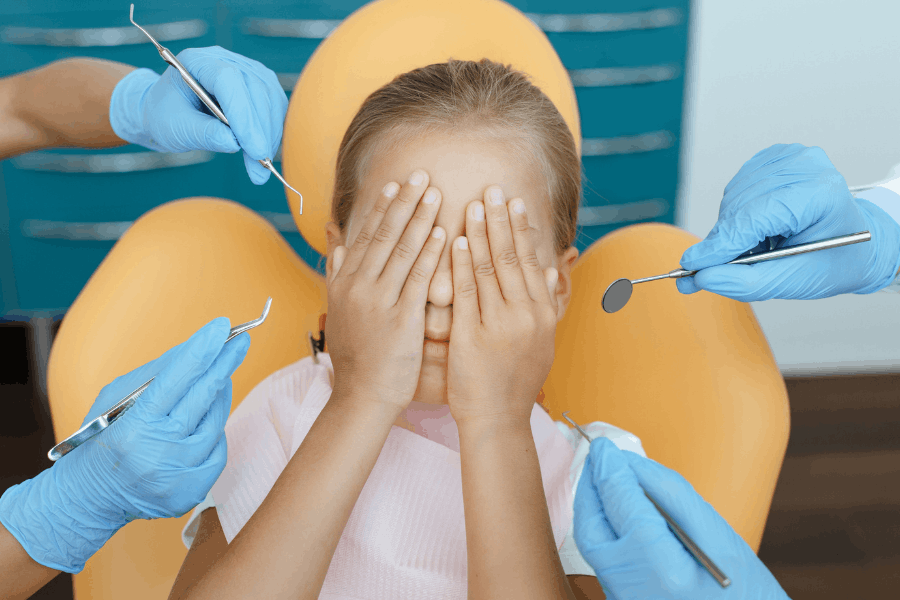
Every parent’s heart skips a beat when their child falls and hits their mouth. Blood appears, tears flow, and panic sets in. Those first few moments feel overwhelming, but knowing what to do can make all the difference in saving your child’s tooth and preventing long-term problems.
Dental injuries happen more often than you might think. Kids are active, curious, and still developing their coordination. Whether it’s a tumble at the playground, a collision during sports, or a simple accident at home, dental trauma needs quick action and proper care.
Understanding Common Types of Dental Injuries
Children can experience several types of mouth injuries:
Chipped or Fractured Teeth A chipped tooth might seem minor, but it can expose sensitive inner layers. Even small chips deserve professional evaluation to prevent future complications.
Knocked-Out Teeth This represents one of the most serious emergencies that requires immediate attention. The response time can determine whether the tooth can be saved.
Displaced Teeth Sometimes teeth get pushed up into the gums, sideways, or out of their normal position. These injuries need professional care right away.
Soft Tissue Injuries Cuts to lips, gums, or tongue often bleed heavily and look worse than they are. However, any injury involving teeth should be checked by a professional to rule out hidden damage.
The area around Corpus Christi sees its share of childhood dental emergencies. Local parks, beaches, and sports facilities keep kids active year-round, which also means bumps and falls happen regularly. Having a trusted dentist in Corpus Christi who understands emergency care gives parents peace of mind when accidents occur.
Immediate Steps When Dental Trauma Occurs
Stay Calm and Assess the Situation
Your child looks to you for reassurance, and your reaction shapes theirs. Take a deep breath and focus on helping them. Check your child’s mouth gently and look for:
- Broken, loose, or missing teeth
- Bleeding from the gums or cuts inside the mouth
- Swelling or discoloration
- Changes in how the teeth fit together
Control Bleeding and Swelling
If there’s bleeding, have your child bite down on clean gauze or a soft cloth. Apply gentle pressure for about 10 minutes. Ice wrapped in cloth can help reduce swelling when held against the outside of the mouth or cheek.
Handle a Knocked-Out Tooth Properly
For a knocked-out permanent tooth, time matters tremendously. Follow these steps:
- Pick up the tooth by the crown (the white part), never by the root
- Rinse it gently with milk or clean water if it’s dirty, but don’t scrub it
- Try to place it back in the socket if possible
- If you can’t replant it, keep it moist in milk or the child’s saliva
- Get to a dental professional within 30 minutes
Baby teeth that fall out usually don’t get replanted, but you still need professional guidance to check for other damage.
When to Seek Emergency Dental Care
Situations Requiring Immediate Attention
Some injuries need urgent professional care:
- Knocked-out permanent tooth (within 30 minutes for best results)
- Heavy bleeding that won’t stop after 10 minutes of pressure
- Teeth that look loose, pushed out of position, or broken
- Trouble opening or closing the mouth
- Jaw that appears misaligned
- Severe pain or swelling
- Signs of infection
Finding Emergency Care
Many families in the Corpus Christi area keep their pediatric dentist’s emergency number handy. Local practices understand that accidents don’t follow business hours. A dentist corpus christi families trust will have systems in place for handling urgent situations, whether during regular hours or after.
Managing Pain and Comfort at Home
Pain Relief Options
After the initial emergency passes, your child will need comfort:
- Use over-the-counter pain relievers appropriate for your child’s age
- Always follow dosing instructions carefully
- Apply cold compresses to the outside of the face (10 minutes on, 10 minutes off)
- Avoid aspirin for children due to bleeding risks
Dietary Adjustments
Soft foods prevent further injury while the mouth heals:
- Yogurt and smoothies
- Mashed potatoes
- Soups and broths
- Scrambled eggs
- Avoid hot, spicy, crunchy, or sticky foods for several days
Keeping the Area Clean
For older children who can spit, rinsing with warm salt water helps keep the area clean. Mix half a teaspoon of salt in a cup of warm water and rinse gently after meals.
Special Considerations for Different Age Groups
Toddlers and Preschoolers
Young children present unique challenges:
- They can’t always tell you where it hurts or what happened
- Watch for changes in eating, sleeping, or behavior
- They might avoid touching certain teeth or resist brushing
- Use extra patience and gentle handling during examination
School-Age Children
This group might downplay injuries:
- They don’t want to miss activities or appear different
- Take all mouth injuries seriously, even if your child says it’s fine
- Look for reluctance to eat certain foods or touch specific teeth
- Monitor for changes in how they bite down
Teenagers
Teens involved in sports face higher risks:
- Mouthguards become essential protective gear
- Custom-fitted options from your dentist in Corpus Christi offer better protection than store-bought versions
- They’re more comfortable, which means teens actually wear them
- Address appearance concerns to improve compliance
Prevention Strategies That Work
Home Safety Measures
Reduce risks around your house:
- Secure furniture and pad sharp corners
- Use safety gates on stairs
- Keep floors clear of toys that could cause trips
- Install proper lighting in hallways and stairs
- Use non-slip mats in bathrooms
Sports and Activity Safety
Protection during play matters tremendously:
- Require mouthguards for contact sports
- Ensure proper helmet use for bikes, skates, and scooters
- Teach safe play techniques
- Supervise younger children during active play
- Choose age-appropriate activities and equipment
Building Good Habits
Teaching children proper behavior helps prevent injuries:
- No running with objects in their mouths
- Seatbelts every time in the car
- Walking, not running, in areas with hard surfaces
- Using playground equipment properly
- Being aware of surroundings during activities
Regular Dental Checkups
Routine visits catch problems early:
- Your dentist can spot teeth that might be more vulnerable to injury
- Professional cleanings keep teeth and gums healthy
- X-rays reveal developing issues
- Building a relationship with a dental practice means your child feels comfortable there during emergencies
Living near the coast means Corpus Christi children enjoy outdoor activities year-round. Beach trips, bike rides along the seawall, and playground fun are wonderful parts of childhood here. These same activities require extra attention to safety and having a dental professional who knows your family and understands local lifestyle patterns.
What Happens During Emergency Dental Visits
Initial Examination
Understanding what to expect reduces anxiety for both you and your child:
- The dentist will examine the injury carefully
- X-rays may be needed to check for hidden damage
- Photos might be taken to document the injury
- Your child’s pain level will be assessed
- A detailed treatment plan will be created
Common Treatment Approaches
Treatment depends on the type and severity of injury:
- Smoothing or bonding chipped teeth
- Splinting loose teeth to neighbors for stability
- Root canal therapy if the tooth’s nerve is damaged
- Monitoring over time for some injuries
- Antibiotics if infection risk exists
Follow-Up Care
Your dentist corpus christi office will schedule future visits:
- Track healing progress
- Watch for developing problems
- Adjust treatment plans as needed
- Monitor long-term tooth health
- Address any new symptoms promptly
Long-Term Outlook and Follow-Up Care
Ongoing Monitoring Needs
Dental trauma can affect teeth for years:
- A tooth that seems fine initially might develop problems later
- Regular monitoring catches issues like root damage or infection
- Changes in tooth color can indicate nerve problems
- Some effects take months or years to appear
Impact on Developing Teeth
Permanent teeth need special attention:
- Teeth that suffered trauma might need future treatment
- Baby teeth injuries can sometimes affect permanent teeth developing underneath
- Growth and development patterns may be affected
- Long-term success depends on consistent follow-up care
Maintaining Communication
Keep your dental team informed:
- Report any new symptoms like pain, swelling, or color changes
- Take photos over time to help track subtle changes
- Keep all follow-up appointments, even if everything seems fine
- Ask questions about what to watch for at home
Frequently Asked Questions
1. What should I do if my child chips a small piece of tooth?
Save the piece if you can find it and bring it to the dentist. Rinse your child’s mouth with warm water and apply a cold compress if there’s swelling. Contact your dentist the same day for an evaluation, even for seemingly minor chips.
2. Can a knocked-out baby tooth damage the permanent tooth underneath?
Yes, trauma to baby teeth can sometimes affect developing permanent teeth. This is why all dental injuries need professional evaluation, even if it’s “just a baby tooth.” The impact can influence how the permanent tooth emerges.
3. How long can a permanent tooth survive outside the mouth?
The first 30 minutes are critical. A tooth replanted within this window has the best chance of survival. Every minute counts, so keep it moist in milk or saliva and get to a dentist immediately.
4. Should I give my child aspirin for dental pain?
No, avoid aspirin for children. Use acetaminophen or ibuprofen according to age-appropriate dosing. Aspirin can increase bleeding and carries other risks for children. Always read labels carefully.
5. What if the injury happens on a weekend or holiday?
Have your dentist’s emergency contact information saved in your phone. Many practices have after-hours protocols for urgent situations. If you can’t reach your dentist and the injury is severe, visit an emergency room.
6. Will my dental insurance cover emergency treatment?
Most dental plans cover emergency care, though specifics vary. Don’t let insurance concerns delay treatment. Many dental offices work with families on payment options for unexpected emergencies. Call your insurance provider to understand your coverage.
7. How can I tell if an injury needs immediate care or can wait until morning?
Knocked-out permanent teeth, heavy bleeding that won’t stop, severe pain, or suspected jaw injury need immediate attention. Minor chips or small cuts can usually wait for regular office hours, but call for guidance if you’re unsure.
8. What’s the difference between a tooth that’s loose versus one that’s pushed out of position?
A loose tooth wiggles but stays in its normal position. A tooth pushed out of position looks crooked, tilted, or sits higher or lower than it should. Both need professional care, but displaced teeth are more urgent.
Making the Right Choice for Your Child’s Dental Health
Dental trauma feels scary, but you’re not alone in handling it. Preparation, quick action, and professional care protect your child’s smile for the long term.
Steps You Can Take Today
Build a relationship with a dental practice before emergencies happen:
- Know where to go and who to call
- Keep emergency numbers accessible
- Discuss your child’s specific risk factors
- Create a personalized emergency action plan
- Review prevention strategies for your family’s lifestyle
The Value of Local Expertise
Your child’s dental health impacts their overall well-being, confidence, and quality of life. When accidents happen, having a dentist in corpus christi who treats your family like their own makes the difficult moments easier. Local professionals understand the unique needs of coastal families and the activities that bring both joy and occasional bumps to childhood.
Take Action Now
Don’t wait for an emergency to find quality dental care. Schedule a consultation with a trusted local practice today. Establish care, discuss prevention strategies specific to your child’s activities and risk factors, and create a plan for handling unexpected injuries. Review what supplies to keep at home for dental emergencies and learn the fastest routes to your dental office from common locations you visit.
Your future self will thank you for taking this step now. When you’re prepared, you can focus on comforting your child instead of scrambling to figure out what to do next. That peace of mind is priceless for both you and your family.
Recent Post

June 19, 2026
AI in Dentistry: Diagnosing Disease Before the Naked Eye Can
June 12, 2026
Tooth Proportions and Symmetry in Cosmetic Smile Design
June 5, 2026
Dental Implants and Cosmetic Dentistry: Creating Natural-Looking Smiles

May 29, 2026
The Do’s and Don’ts of Routine Dental Care for All Ages
May 22, 2026