
Book Online
Dental Implant Aftercare: Essential Tips for Long-Term Success
October 27, 2023
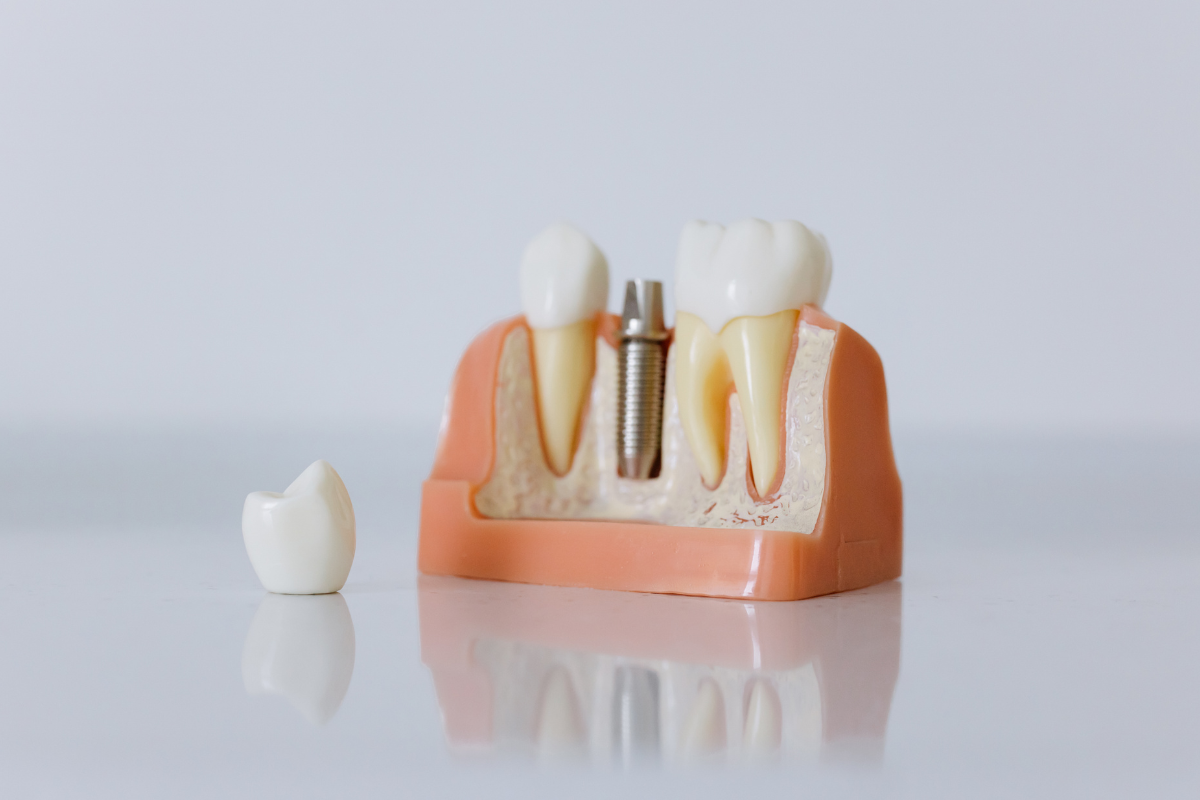
Getting a dental implant is a big step toward a healthy, confident smile. But the work does not stop once the implant is placed. What you do in the days, weeks, and years after your procedure decides whether your new tooth lasts a lifetime or runs into trouble early. If you searched for guidance on dental implants corpus christi patients can trust, you are already doing the right thing by planning ahead for recovery, not just the surgery itself.
At Tide Dental Orthodontics & Dental Implants, we walk every patient through a clear aftercare plan so healing goes smoothly from day one. This guide breaks down exactly what to expect and what to do, step by step, so your investment in your smile pays off for years to come.
Why Aftercare Matters More Than People Think
An implant is a small titanium post that fuses with your jawbone over several months. This fusion process, called osseointegration, is the foundation of a strong, stable tooth. Skip the aftercare basics, and that foundation can weaken. Gum infection, bone loss around the implant, or a loose crown can all follow poor habits after surgery.
The good news? Most problems are avoidable. Patients who follow a few simple habits see implants that function and look great for twenty years or more. Those who ignore the basics sometimes face implant failure within the first year. The difference usually comes down to daily care, not luck.
This is exactly why anyone researching dental implants corpus christi should think past the surgery date and plan for the months of healing that follow. A strong aftercare routine protects the time, cost, and trust you put into the procedure.
The First 24 to 72 Hours: Your Critical Window
The first three days set the tone for your entire recovery. Your gum tissue is healing, and a blood clot needs to stay in place over the surgical site.
What to do right after surgery:
- Bite down gently on the gauze your dentist gives you for 30 to 45 minutes to control bleeding
- Apply an ice pack to your cheek in 15-minute intervals to reduce swelling
- Rest with your head elevated, even while sleeping, for the first two nights
- Stick to soft foods like yogurt, mashed potatoes, and smoothies (skip the straw, since suction can dislodge the healing clot)
- Take any prescribed antibiotics or pain relief exactly as directed
What to avoid:
- Smoking or vaping, which slows healing and raises infection risk significantly
- Spitting forcefully or rinsing hard, which can disturb the clot
- Touching the surgical area with your tongue or fingers
- Strenuous exercise for at least 48 hours
Some tenderness, minor swelling, and light bruising are normal during this window. Sharp pain that gets worse instead of better, or a fever, is not normal and calls for a check-in with your dentist.
Building a Daily Oral Hygiene Routine Around Your Implant
Once the initial healing period passes, your implant becomes part of your regular hygiene routine, with a few adjustments.
Brushing the Right Way
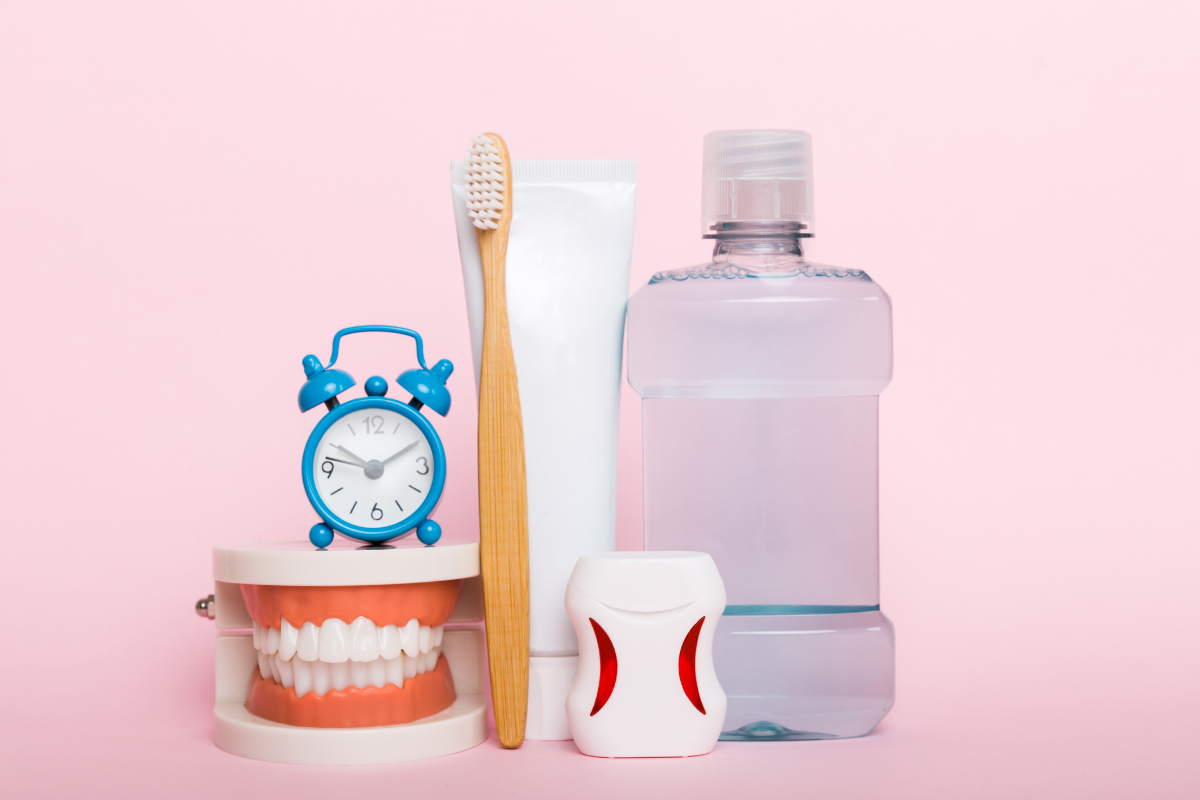
Use a soft-bristled brush or an electric brush with a sensitive setting. Angle the bristles toward the gum line where the implant meets your gum tissue, since plaque loves to hide there. Brush at least twice a day, and consider a third session after lunch if you can.
Flossing Around an Implant
Standard floss works, but many patients find implant-specific floss or a water flosser easier to manage around the crown. The goal is to clear away food particles and bacteria from underneath and around the restoration daily, not just when something feels stuck.
Rinsing and Extra Protection
An alcohol-free antimicrobial mouthwash can help control bacteria without drying out your gum tissue. Ask your dental team which rinse fits your specific case, since some patients need a stronger formula during the first month.
Foods That Help and Foods That Hurt Your Implant
What you eat plays a bigger role in implant health than most people realize.
| Food Category | Good for Implants | Use Caution |
| Proteins | Eggs, fish, ground turkey | Tough steak, chewy jerky |
| Fruits & Vegetables | Steamed vegetables, ripe bananas | Raw carrots, whole apples (cut them first) |
| Grains | Soft bread, oatmeal | Hard rolls, crusty baguettes |
| Snacks | Yogurt, pudding, smoothies | Popcorn, hard candy, ice |
| Drinks | Water, herbal tea | Sugary soda, excess alcohol |
During the first two weeks, lean heavily on the left column. After full healing, most patients can return to a normal diet, though hard candy and ice remain risky for any dental work, implant or natural tooth, for the long run.
Long-Term Habits That Protect Your Investment
Implants are built to last decades, but that outcome depends on habits you keep up for years, not just the first month.
Keep up with dental visits
Plan on a professional cleaning and implant check every six months. Your hygienist has tools that reach spots your toothbrush cannot, and your corpus christi dentist can catch early signs of gum irritation before they become bigger issues. Many patients searching for a reliable dentist in corpus christi choose Tide Dental because we track implant health at every visit, not just natural teeth.
Address teeth grinding
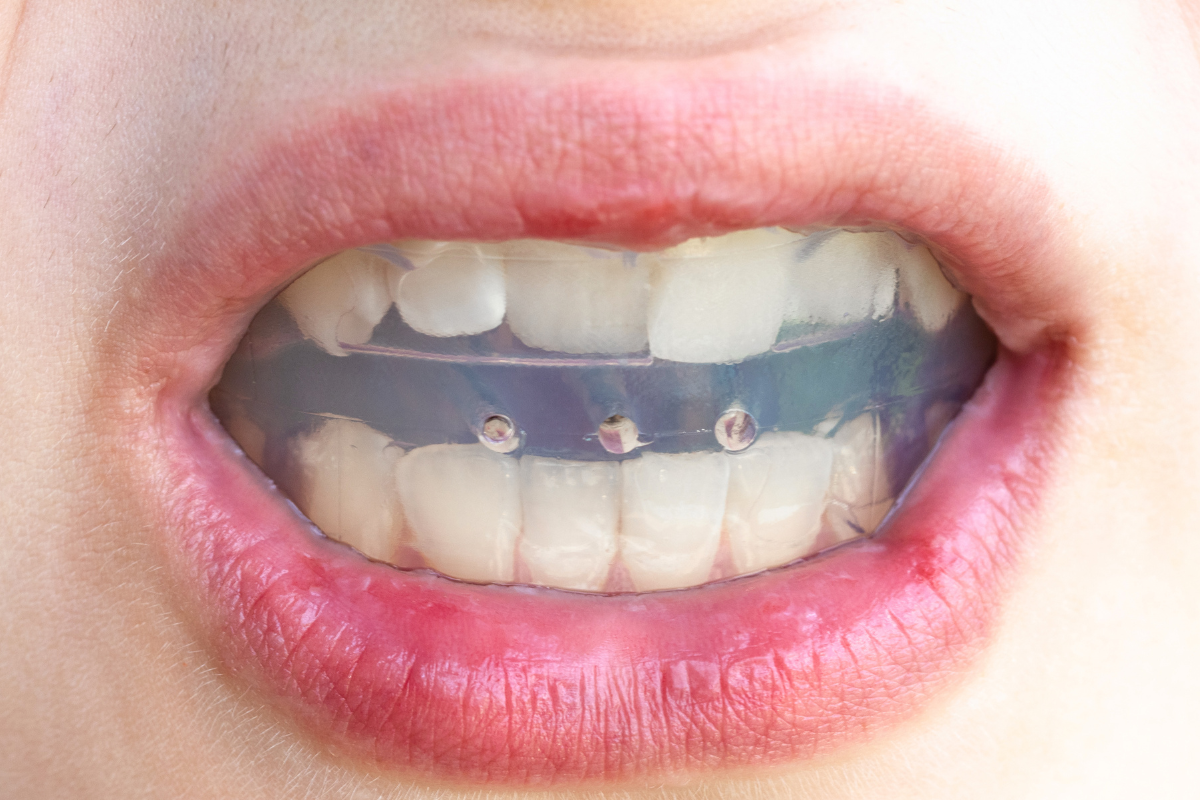
If you grind your teeth at night, a custom night guard protects both your implant and your remaining natural teeth from excess pressure. Grinding is one of the more overlooked causes of implant complications.
Manage your overall health
Conditions like diabetes and osteoporosis affect bone healing and density. Keeping chronic conditions under control with your physician supports the bone around your implant too.
Watch for warning signs
Persistent discomfort, gum redness that will not go away, a loose feeling in the crown, or bleeding when you brush are all reasons to call your dental team right away. Catching an issue early almost always means an easier, less costly fix.
Know Our Dentists
Your implant results depend heavily on the skill and experience of the team placing and monitoring it. Here is who you will work with at our Corpus Christi practice.
Dr. Joel Khoo earned his Bachelor of Dental Surgery from the National University of Singapore and went on to complete a Master of Science in Prosthodontics at the University of Iowa. That specialty training focuses specifically on restoring smiles for patients with complex dental needs, which makes him a strong choice for implant cases. He lives in Corpus Christi with his family and brings a calm, reassuring approach to patients who feel nervous about dental work.
Dr. ReAnn Boss built her foundation in general dentistry across military service, private practice, pediatric care, and teaching at a dental school before returning to earn her Certificate in Orthodontics and a Master’s in Health Administration. A Texas native, she combines years of hands-on general dentistry experience with orthodontic expertise, giving patients a well-rounded perspective on how implants fit into their overall bite and smile.
Dr. Tina Huynh grew up right here in Corpus Christi and completed her Doctor of Dental Medicine (DMD) degree at Roseman University of Health Sciences in Utah, following undergraduate studies at Texas A&M and a master’s degree at the University of Texas at San Antonio. As a general dentist, she focuses on creating a comfortable, welcoming visit for every patient, especially those who feel anxious walking through the door.
Together, this team gives our practice a rare mix of specialty implant training, orthodontic knowledge, and everyday general dentistry experience, all under one roof. It is the kind of combined expertise patients look for when comparing dental implants corpus christi providers side by side.
Frequently Asked Questions
1. How long does it take for a dental implant to fully heal?
Most patients need three to six months for full bone fusion, though this varies based on bone density, overall health, and where in the mouth the implant is placed.
2. Can I go back to work the day after implant surgery?
Many patients return to desk jobs within a day or two, but physically demanding work usually calls for a few extra days of rest.
3. Is it normal to have swelling for a week after the procedure?
Mild swelling for three to five days is common. Swelling that worsens after day three or lasts beyond a week should be checked by your dental team.
4. Do implants require any special products to clean them?
A soft brush, implant-safe floss or a water flosser, and an alcohol-free rinse cover most needs. Your hygienist may recommend specific products based on your case.
5. What happens if I skip my six-month checkup?
Early gum inflammation or bone changes around an implant often show no pain at first. Skipping checkups means these issues can progress before you notice anything wrong.
6. Can smoking really affect how well my implant heals?
Yes. Smoking restricts blood flow to healing gum tissue and raises the risk of implant failure substantially compared to non-smokers.
7. Will my implant ever need to be replaced?
The titanium post itself can last a lifetime with good care. The crown on top may need replacement after fifteen to twenty-five years due to normal wear.
8. How do I know if my implant is failing versus just feeling different?
A healthy implant feels stable and pain-free once healed. Looseness, ongoing discomfort, or gum recession around the site are signs to get it evaluated right away.
Take the Next Step Toward a Smile That Lasts
Aftercare is not complicated, but it does require consistency. A few daily habits, the right foods during recovery, and regular checkups stand between you and an implant that serves you well for decades. If you are exploring dental implants corpus christi options or want a second opinion on care for an implant you already have, our team at Tide Dental Orthodontics & Dental Implants is ready to help. As a trusted dentist in corpus christi, we build a personalized aftercare plan for every patient we treat.
Book your appointment online or explore our dental implant services to see how we support you from consultation through full recovery.
Recent Post
October 29, 2026
The Long-Term Benefits of Correcting Misaligned Teeth and Bite Problems
October 22, 2026
Creating a Practical Morning and Nighttime Oral Hygiene Routine

October 15, 2026
Tooth Pain When Chewing: Common Problems That May Be Hiding Beneath the Surface
October 12, 2026
Smoking During Dental Implant Treatment: How It Can Affect Healing and Long-Term Results
September 29, 2026