
Book Online
Creating a Practical Morning and Nighttime Oral Hygiene Routine
October 22, 2026
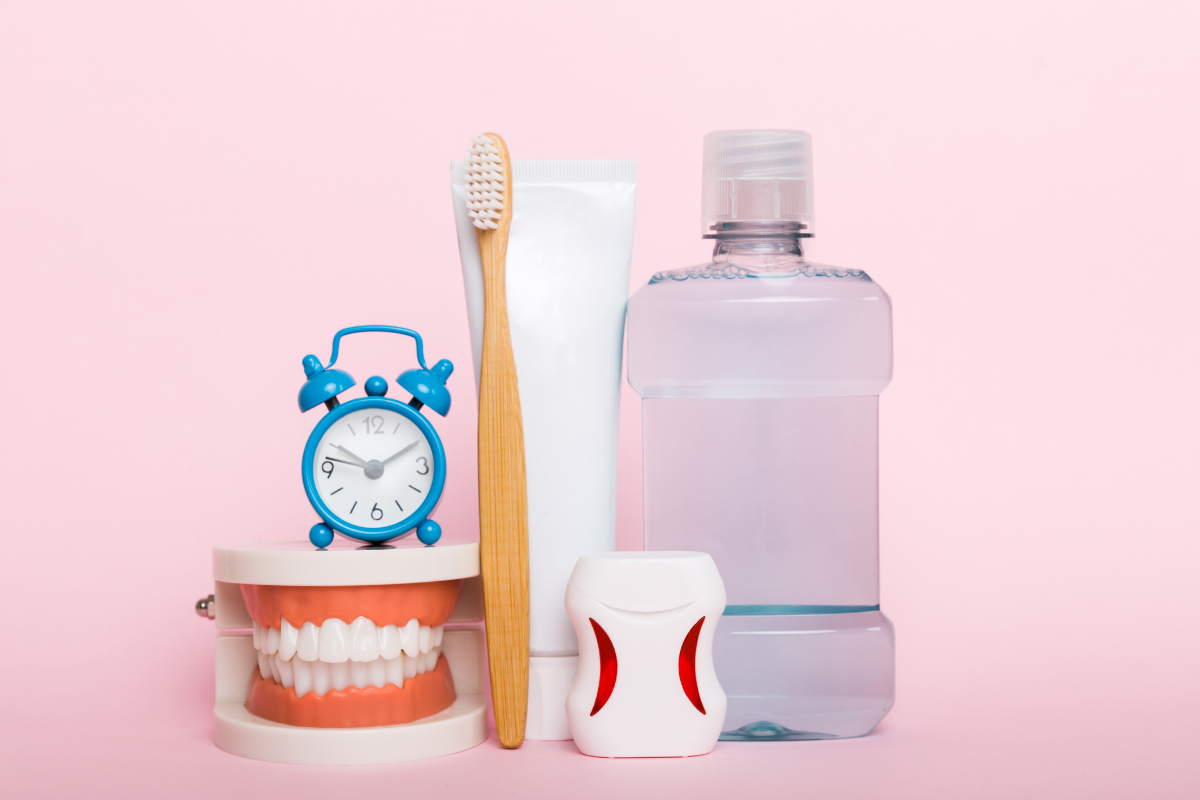
Most of us learned to brush as kids and never changed a thing. That works for a while. Then life gets busy, mornings turn into a rush, and nights end with a collapse onto the couch.
A good routine does not need to be long or fancy. It needs to be steady, simple, and built around your real day. This guide walks you through what to do each morning and each night, what to skip, and how to tell if your routine is working. If you want a corpus christi dentist to check your progress, regular exams make that easy. And if you are still looking for a dentist in corpus christi, tx, the tips below will help you ask better questions at your first visit.
Why Two Routines Instead of One
Your mouth faces different challenges at different times of day.
During the day, you eat, drink, and talk. Food and sugar feed germs, and acid from drinks wears on enamel. Overnight, you make less saliva. Saliva is your mouth’s natural rinse, so when it drops, germs have an easier time.
That is why the morning and night routines are not the same. The morning clears away what built up overnight and protects you for the day. The nighttime routine removes the day’s buildup and guards your teeth while you sleep.
The American Dental Association gives the same core advice for both: brush twice a day with fluoride toothpaste and clean between your teeth once a day.
The Morning Routine: Quick and Protective
You do not need a long list of steps. Focus on a few that matter.
Step One: Drink Water First
Sip a glass of water when you wake up. It helps wash away overnight buildup and gets your saliva moving.
Step Two: Brush for Two Full Minutes
Use a soft brush and fluoride toothpaste. Angle the bristles toward the gumline and use small, gentle circles. Hard scrubbing wears down enamel and pushes gums back. Go slow, and cover every surface: front, back, and chewing tops.
Many people brush for far less than two minutes. A song or a timer on your phone helps.
Step Three: Clean Your Tongue
Bacteria hide on the tongue and cause bad breath. A tongue scraper or the back of your brush takes only a few seconds.
Step Four: Eat First, or Wait Before Brushing After
If you brush before breakfast, fluoride coats your teeth before food hits them. If you prefer to brush after, wait about half an hour. Brushing right after acidic foods like orange juice or coffee can scrub softened enamel.
Step Five: Rinse If You Like
A fluoride mouthwash adds a little extra protection. Pick an alcohol-free kind if your mouth feels dry or sensitive. Mouthwash does not replace brushing.
The Nighttime Routine: Your Most Important Reset
If you only have energy for one good routine, make it the night one. Teeth stay still while you sleep, and anything left on them sits there for hours.
Step One: Floss or Clean Between Teeth
Do this first. It frees trapped food, so your toothpaste can reach more of the tooth surface afterward. Use floss, a pick, or a small interdental brush. If floss is hard for you, a water flosser can help. Wrap floss in a gentle C shape around each tooth and slide it just below the gumline.
Step Two: Brush Again for Two Minutes
Use the same method as in the morning. Take your time on the back teeth, where food likes to hide.
Step Three: Spit, Do Not Rinse
After brushing, spit out the extra toothpaste but skip the water rinse. The leftover fluoride keeps working on your teeth overnight.
Step Four: Stop Eating and Drinking
After your final brush, only water. Snacks and sweet drinks after brushing give germs a free meal all night.
Step Five: Think About a Night Guard
If you wake up with a sore jaw, a headache, or worn teeth, you may grind them in your sleep. A custom night guard can protect them. Ask your dentist about it.
Morning vs. Night: Quick Comparison
| Task | Morning | Night |
| Brush with fluoride toothpaste | Yes | Yes |
| Clean between teeth | Optional | Yes, every day |
| Tongue cleaning | Yes | Optional |
| Mouthwash | Optional | Optional, but skip rinsing after brushing |
| Drink only water afterward | Not required | Yes |
| Night guard | No | Yes, if advised |
| Main goal | Clear overnight buildup, protect for the day | Remove the day’s buildup, protect while you sleep |
Tools That Make the Routine Easier
You do not need a bathroom full of gadgets. These basics do the job.
- A soft-bristled toothbrush. Replace it every three to four months, or sooner if the bristles bend.
- Fluoride toothpaste. Look for the ADA Seal on the box.
- Floss, picks, or a water flosser. Pick the one you will actually use.
- A tongue scraper. Cheap and quick.
- An electric toothbrush, if you like. Many have timers that help you brush long enough.
Keep these in plain sight. A toothbrush in a drawer is a toothbrush you forget.
Common Mistakes That Undo Good Habits
Even careful people slip. Watch for these.
- Brushing too hard. Pressure does not clean better. It wears enamel and irritates gums.
- Skipping the night brush. Tired nights are when this happens most.
- Rinsing right after brushing. This washes away protective fluoride.
- Using an old brush. Worn bristles clean poorly.
- Sipping sweet drinks all day. Constant sugar keeps the mouth under attack.
- Ignoring bleeding gums. Bleeding is a sign of inflammation. It is not normal.
- Skipping checkups. Home care cannot remove hardened tartar.
Make It Fit Your Real Life on the Gulf Coast
A routine only works if you can keep it going. Life in South Texas has a few twists worth planning for. Summer heat leads many of us to sip sweet tea, soda, or sports drinks for hours. Sugar bathes your teeth every time you sip. Try water between sweet drinks, and finish a drink rather than nursing it all day.
Busy mornings before work, school, or an early shift are another trap. Keep a spare brush and small toothpaste in your bag or car so you can brush when you can. Beach days and weekend trips on the Island call for the same plan. Pack a travel kit and keep the habit going.
If you wear braces or clear aligners, add a few steps. Food gets trapped in brackets and wires, and aligners need to be cleaned each day. An orthodontic team can show you the best tools for your case. A local Corpus Christi dentist or orthodontist can also check your brushing technique and show you spots you tend to miss.
What Regular Checkups Add to Your Routine
Brushing and flossing handle plaque, the soft film that builds up daily. But plaque hardens into tartar within a couple of days, and only a dental cleaning can remove it.
According to Tide Dental Orthodontics & Dental Implants, routine care includes a full exam of your teeth, gums, tongue, and mouth, plus cleanings and digital X-rays when needed. The team also screens for oral cancer. These visits catch cavities and gum problems early, often before you feel anything.
A check every six months is a common guide. Some patients need more visits, especially if they have gum disease or other ongoing needs. Your dentist will tell you what fits your mouth.
Signs Your Routine Needs a Second Look
Your mouth gives clues when something is off. Pay attention if you notice:
- Gums that bleed when you brush or floss
- Bad breath that does not go away
- Teeth that hurt with hot, cold, or sweet foods
- Red, swollen, or pulled-back gums
- White or dark spots on teeth
- A dry mouth that lasts
None of these mean you are doing everything wrong. They mean it is time for a professional opinion.
Know Our Dentists
Good routine care starts with people who explain things clearly. Here are the doctors at Tide Dental Orthodontics & Dental Implants, based on what they share about their training.
Dr. Tina Huynh is a general dentist who grew up in corpus christi. She earned her Doctor of Dental Medicine at Roseman University of Health Sciences and completed an externship with Community Health Centers of Utah, where she provided care to underserved communities. She says she wants patients to feel heard and comfortable, which suits everyday preventive care.
Dr. ReAnn Boss is an orthodontist and a Texas native. She earned her Doctor of Dental Surgery at Baylor College of Dentistry, now the Texas A&M College of Dentistry, and completed a general dentistry residency in the Air Force. Her background includes private practice, pediatrics, and teaching at a dental school, before she earned her orthodontic certificate at A.T. Still University’s Arizona School of Dentistry and Oral Health. She can help with home care for braces and aligners.
Dr. Joel Khoo is a prosthodontist. He earned his Bachelor of Dental Surgery at the National University of Singapore and his Master of Science in Prosthodontics at the University of Iowa. His focus is restoring and replacing teeth, which shows why daily care matters, since good habits help protect crowns, fillings, and other dental work.
If you are searching for a dentist in corpus christi who explains habits in plain words, any of these doctors can walk you through a plan that fits your mouth.
Our Approach: Clear and Open
You should never leave a dental visit confused. Here is how we keep things clear.
- We explain what we see. You hear the findings in plain language.
- We tailor advice to you. A routine for a teenager with braces differs from one for an older adult with crowns.
- We go over costs first. Insurance coverage and your share are explained before treatment.
- We do not promise perfect results. Habits help a lot, but genes, medicines, and health conditions play a role too.
- We welcome questions. There is no such thing as a silly one.
Frequently Asked Questions
1. How often should I brush my teeth?
Brush twice a day for two minutes each time, with fluoride toothpaste. Morning and night are the best times.
2. Should I floss before or after brushing?
Either works. Many dentists suggest flossing first so toothpaste can reach the spaces you just cleaned.
3. Is mouthwash necessary?
It is optional. Mouthwash adds a little extra protection, but it cannot replace brushing and cleaning between your teeth.
4. Is an electric toothbrush better than a manual one?
Both work when used well. Electric brushes can help if you tend to rush or press too hard, because many have timers and pressure sensors.
5. How long should I wait to brush after eating?
After acidic foods or drinks, wait about half an hour. For other meals, you can brush when you are ready.
6. Why do my gums bleed when I floss?
Bleeding often means the gums are inflamed from plaque buildup. It usually improves with steady cleaning, but if it continues, see your dentist.
7. How often should I replace my toothbrush?
Every three to four months, or sooner if the bristles look bent or worn. Replace it after an illness too.
8. Do kids need the same routine?
They need the same basics with a smaller amount of toothpaste and an adult to help until they can brush well on their own. Ask your dentist about the right amount for your child’s age.
Final Thoughts
A strong routine is simple: brush twice, clean between your teeth once, and keep up with checkups. Small habits done every day beat big efforts done now and then.
If you want a hand building a plan that fits your life, schedule an appointment with Tide Dental Orthodontics & Dental Implants for an exam and a clear talk about your home care. A trusted dentist in corpus christi can spot problems early and show you what to adjust. You can book online through the clinic’s appointment page whenever it suits your day. Starting with the right dentist makes every brush and floss count for more.
Recent Post
October 22, 2026
Creating a Practical Morning and Nighttime Oral Hygiene Routine

October 15, 2026
Tooth Pain When Chewing: Common Problems That May Be Hiding Beneath the Surface

October 12, 2026
Sync Your Family’s Dental Visits Without the Scheduling Nightmare
October 12, 2026
Smoking During Dental Implant Treatment: How It Can Affect Healing and Long-Term Results
September 29, 2026