
Book Online
Can Dental Implants Lead to Sinus Problems?
March 17, 2025
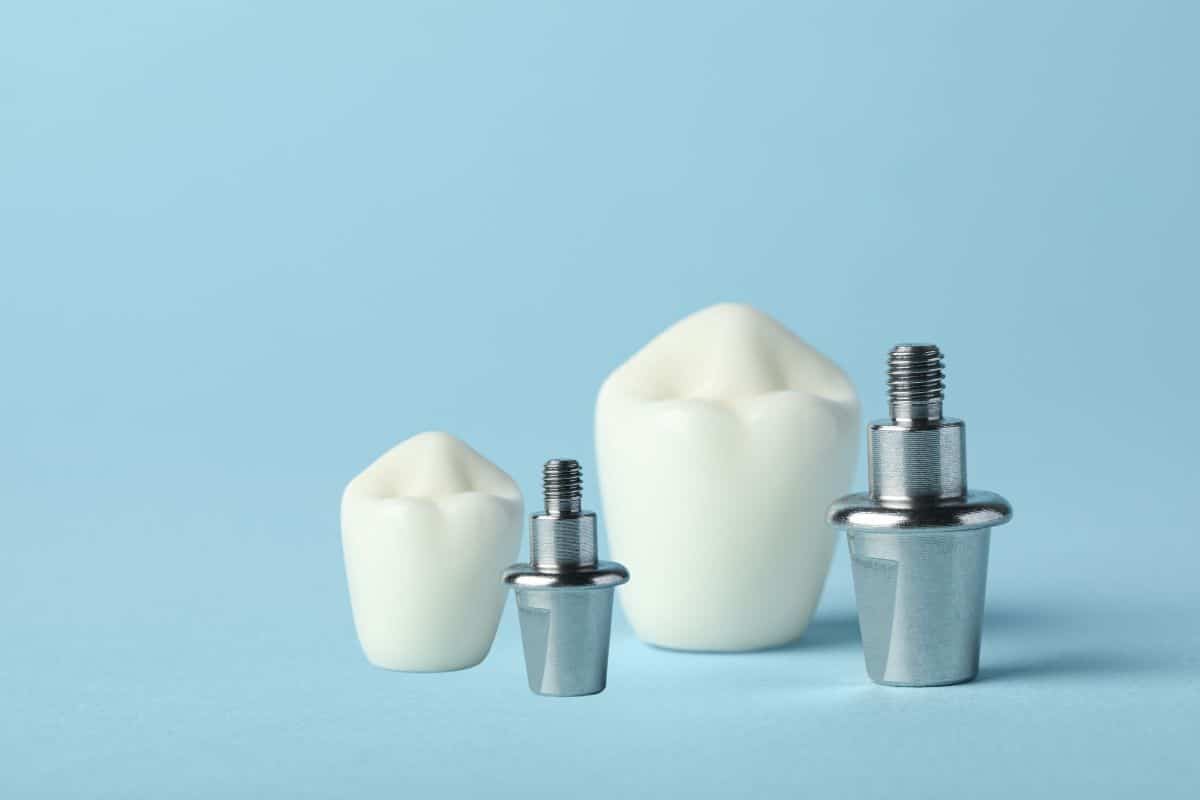
Dental implants are a popular solution for replacing missing teeth, providing long-lasting and natural-looking results. However, many patients wonder if any risks or complications are associated with the procedure, especially concerning their sinuses. While dental implants are generally safe, in some cases, they can lead to sinus problems, particularly when implants are placed in the upper jaw near the sinus cavities.
In this blog, we’ll explore how dental implants can affect your sinuses and what you can do to minimize risks.
Understanding the Relationship Between Dental Implants and Sinus Cavities
The upper jaw is close to the maxillary sinuses, particularly the area around the premolars and molars. These sinuses are air-filled spaces behind the cheekbones. During dental implants, an artificial root is placed into the jawbone to support a crown. If the implant is placed too close to the sinus cavity, it can cause various sinus-related issues.
The implant may protrude into the sinus cavity, leading to inflammation or infection. This condition is called sinus perforation, which can cause discomfort, pain, and sinus infections. Additionally, the pressure from the implant can irritate the sinus lining, leading to sinus congestion, headaches, and even post-nasal drip. If you are looking for an implant dentist Corpus Christi, choose a professional with experience handling these potential complications.
Sinus Lift Procedure: A Solution to Potential Problems
When a dental implant needs to be placed in the upper jaw, the proximity of the sinus cavity can make the procedure more complex. In such cases, a dentist may recommend a sinus lift (sinus augmentation) procedure. This procedure involves lifting the sinus membrane to create more space for the implant. By adding bone grafts to the area, the sinus lift helps ensure that the implant has a solid foundation and minimizes the risk of sinus-related issues.
A sinus lift is significant for patients who have experienced bone loss in the upper jaw due to prolonged tooth loss or other dental health issues. The additional bone structure improves the chances of implant success and reduces the likelihood of complications involving the sinus cavities.
Potential Symptoms of Sinus Problems After Dental Implants
If a sinus problem occurs after a dental implant procedure, patients may experience several symptoms, including:
- Sinus congestion or blockage
- Pain or pressure in the upper jaw or cheekbones
- Persistent headaches or sinus infections
- Post-nasal drip or mucus buildup
These symptoms can vary from mild to severe, depending on the extent of the problem. If you notice any of these signs following your implant procedure, it’s essential to contact your dentist as soon as possible for evaluation.
How to Prevent Sinus Problems During Implant Surgery
While sinus problems can occur after dental implants, there are steps your dentist can take to minimize the risks:
- Comprehensive Evaluation: Your dentist will conduct a thorough examination, including X-rays or a CT scan, to assess the position of your sinuses and the amount of bone available for implant placement.
- Proper Planning: Choosing the correct implant size and placement angle is critical to avoid contact with the sinus cavity.
- Sinus Lift Procedure: If necessary, your dentist may recommend a sinus lift to increase the available bone and prevent sinus complications.
- Post-Surgery Care: Following the procedure, your dentist will provide instructions to ensure a smooth recovery and avoid potential sinus issues.
FAQs: Dental Implants and Sinus Problems
1. How common are sinus problems after dental implants?
Less than 5% of upper jaw implants cause sinus issues. Risk is highest in back teeth areas.
2. How long does a sinus perforation take to heal?
Ans – Small holes: 2-4 weeks
Large holes: 6-8 weeks or more
3. Can displaced implants be removed from sinuses?
Ans – Yes, it requires immediate surgery to prevent infections and complications.
4. What to do if I suspect sinus problems?
Ans – Call your dentist immediately if you have sinus congestion, facial pain, or headaches after surgery.
5. Can implants succeed after sinus perforation?
Ans – Yes, small perforations heal fine. Large ones may need implant removal and replacement.
6. Do I always need a sinus lift for upper implants?
Ans – No, only needed when bone height is less than 5mm. Most patients have enough natural bone.
Conclusion
Dental implants are a safe and effective solution for restoring missing teeth, but they come with some risks, like any medical procedure. In rare cases, implants can lead to sinus problems, especially if placed too close to the sinus cavity. Working with an experienced implant dentist Corpus Christi who understands the anatomy of your sinuses and can plan your treatment carefully will help minimize these risks.
If you’re considering dental implants in corpus christi or are experiencing sinus-related symptoms after your procedure, contact us today to book your consultation. We’re here to help you achieve a healthy, beautiful smile with minimal complications.
Recent Post

May 29, 2026
The Do’s and Don’ts of Routine Dental Care for All Ages

May 22, 2026
How Dentists Detect Early Signs of Serious Health Conditions

May 15, 2026
Smoking and Dental Implants: Risks You Should Know

May 9, 2026
Daily Dental Care Routine: What You Should Be Doing Every Day

April 30, 2026