
Book Online
Are You a Candidate for Dental Implants? Key Factors to Consider
September 16, 2024
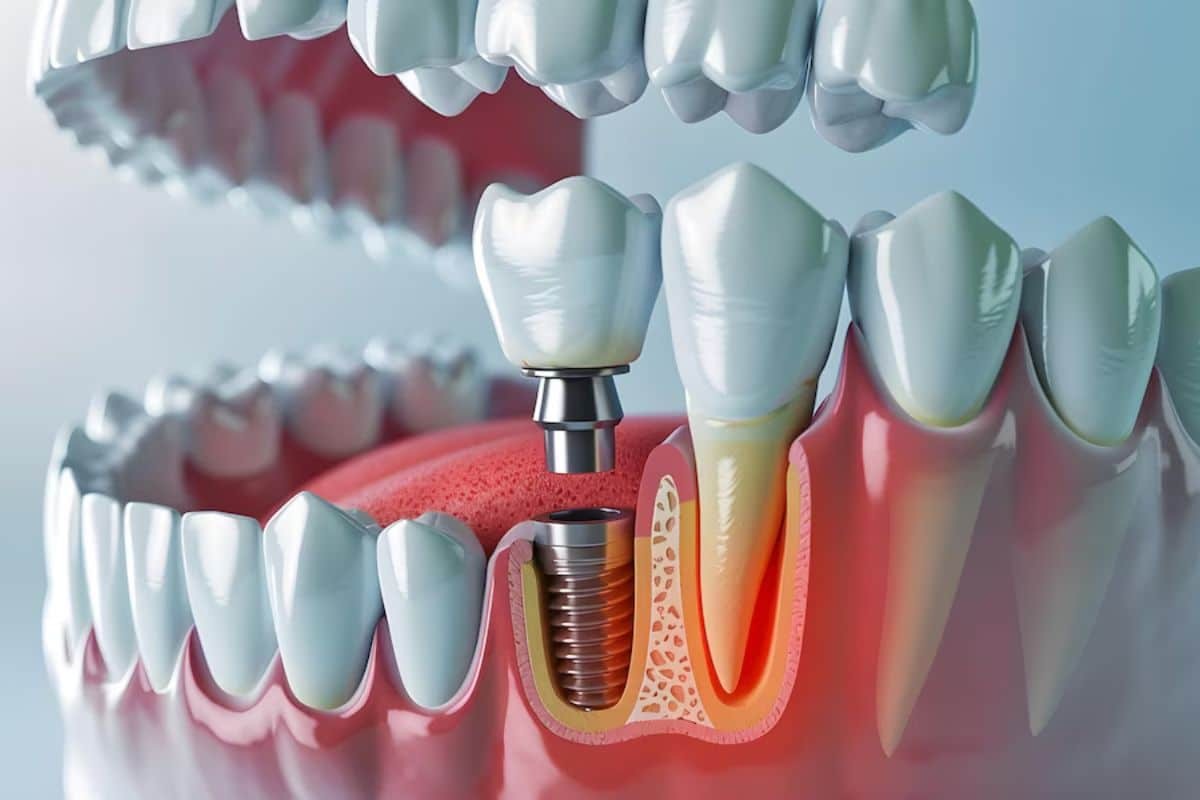
Dental implants have revolutionized the field of dentistry, offering a durable, natural-looking solution for replacing missing teeth. As one of the most effective and long-lasting options, implants not only restore functionality but also help maintain oral health and boost confidence. However, not everyone is a candidate for dental implants. If you’re considering this option, there are several key factors to take into account to determine if you’re a suitable candidate. Let’s explore these factors to help you make an informed decision.
1. General Health
Your overall health plays a significant role in determining whether dental implants are a viable option for you. Since the process involves surgery, candidates should be in good general health to minimize risks during both the surgery and healing process.
Conditions such as uncontrolled diabetes, heart disease, or autoimmune disorders can affect your body’s ability to heal properly. Similarly, patients who take medications that suppress the immune system may also face complications. It’s essential to discuss your medical history in detail with your dentist to determine if you’re a good candidate for dental implants.
2. Oral Health
Good oral health is critical for the success of dental implants. Candidates should have healthy gums, as periodontal disease (gum disease) can interfere with the healing process and the long-term success of implants. If you currently have gum disease, your dentist may recommend treating it before moving forward with dental implants.
In addition to gum health, the condition of your existing teeth and surrounding tissues is important. Dental implants require a strong foundation, and if there are any infections or issues with adjacent teeth, they may need to be addressed before implant surgery.
3. Jawbone Density
One of the most important factors in determining candidacy for dental implants is the amount of bone available in your jaw. Since dental implants are anchored directly into the jawbone, there must be sufficient bone to support the implant.
Over time, missing teeth can lead to bone loss, a process known as bone resorption. If significant bone loss has occurred, there may not be enough support for an implant. However, there are options such as bone grafting or sinus lifts that can help restore jawbone density and make implants possible. Your dentist will perform X-rays or a CT scan to assess the condition of your jawbone and determine if additional procedures are needed.
4. Age and Growth Considerations
Dental implants are not recommended for children or teenagers whose jaws are still developing. The implant needs to be placed in a fully developed jaw to ensure stability and longevity. For most adults, there’s no upper age limit for getting dental implants, as long as they meet the necessary health criteria.
That said, older adults often ask if their age is a barrier to getting dental implants. In most cases, it is not. As long as you’re in good health and have sufficient bone density, dental implants can be a viable solution for tooth replacement well into your senior years.
5. Lifestyle Choices
Your lifestyle and habits can also impact your candidacy for dental implants. Smoking, for instance, can significantly hinder the success of dental implants. It affects blood flow and reduces the body’s ability to heal properly, which can lead to implant failure. Dentists often recommend that patients stop smoking several months before and after the implant procedure to improve their chances of success.
Similarly, excessive alcohol consumption can interfere with the healing process and should be limited during the recovery period. Patients who are willing to make lifestyle changes for the sake of their oral health are more likely to be good candidates for dental implants.
6. Commitment to Oral Care
Long-term success with dental implants depends on maintaining excellent oral hygiene. Candidates must commit to a regular oral care routine, which includes brushing, flossing, and regular dental check-ups. Dental implants can last a lifetime, but only with proper care. Poor oral hygiene can lead to gum infections and implant failure.
If you’re someone who already follows a good oral care regimen or is willing to make the necessary changes, you’re more likely to be a suitable candidate for dental implants.
7. Emotional Readiness
Finally, undergoing dental implant surgery requires emotional and mental readiness. The process can take several months from start to finish, involving multiple appointments and a period of healing. It’s essential that candidates understand the commitment involved and feel prepared to follow through with the necessary steps to ensure successful treatment.
Conclusion
Dental implants are an excellent solution for replacing missing teeth, offering both aesthetic and functional benefits. However, not everyone is an immediate candidate. Your overall health, oral health, bone density, lifestyle habits, and commitment to oral care are all factors that determine whether dental implants are right for you.
The best way to determine if you’re a candidate for dental implants is to schedule a consultation with a qualified dentist. They’ll assess your individual situation, discuss your goals, and recommend the most appropriate course of action. With the right preparation and care, dental implants can provide a long-lasting, natural-looking solution to restore your smile and improve your quality of life.
Recent Post

May 29, 2026
The Do’s and Don’ts of Routine Dental Care for All Ages

May 22, 2026
How Dentists Detect Early Signs of Serious Health Conditions

May 15, 2026
Smoking and Dental Implants: Risks You Should Know

May 9, 2026
Daily Dental Care Routine: What You Should Be Doing Every Day

April 30, 2026