
Book Online
Are Dental Implants Worth It? Pros, Cons, and Long-Term Results
May 24, 2018
If you are missing one or more teeth, you have probably looked into your options. Bridges, dentures, and dental implants all come up quickly. But dental implants tend to raise the most questions, especially about cost and whether they truly hold up over time. This post walks you through the real pros, the honest cons, and what long-term results actually look like so you can make a clear decision.
At Tide Dental Orthodontics, we work with patients in Corpus Christi who want straight answers before they commit to any treatment. Here is what you need to know.
What Are Dental Implants, Exactly?
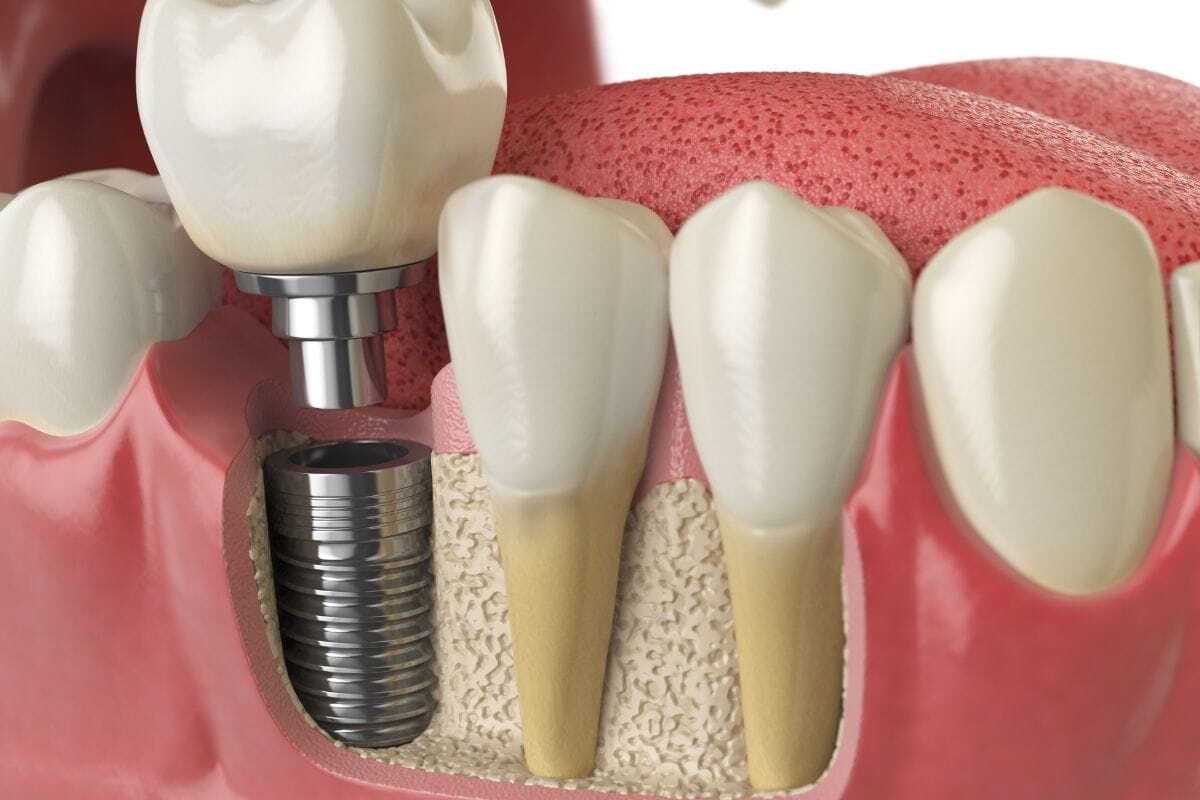
A dental implant is a small titanium post placed into your jawbone. It works as an artificial tooth root. Once it bonds with the bone (a process called osseointegration), a crown is attached on top. The result looks and works like a natural tooth.
Unlike dentures, implants do not slip. Unlike bridges, they do not require trimming down healthy teeth next to the gap. They stand on their own.
The Real Pros of Getting Dental Implants
They Last a Very Long Time
With proper care, dental implants can last 20 to 30 years or more. The crown on top may need replacing after 10 to 15 years, but the implant post itself is built to last. This makes them one of the most cost-effective options when you look at the full picture.
They Protect Your Jawbone
When you lose a tooth, the bone underneath starts to shrink. This is called bone resorption. Implants stimulate the bone just like a natural tooth root does, keeping that area strong and full. Other tooth replacement options do not offer this benefit.
They Feel and Look Natural
Dental implants in Corpus Christi patients often say the biggest surprise is how normal the implant feels. You chew, bite, and speak without any second thoughts. There are no food restrictions and no removal at night.
They Do Not Affect Neighboring Teeth
A traditional bridge requires filing down the teeth on either side to act as anchors. Implants leave those teeth completely untouched. This matters because healthy tooth structure, once removed, does not grow back.
The Honest Cons You Should Know
The Upfront Cost Is Higher
This is the most common concern. Dental implants cost more at the start compared to dentures or bridges. However, when you consider that implants can last decades with little maintenance, the cost over time is often lower. Many dental offices, including those offering dental implants in Corpus Christi, provide financing options to help spread the cost.
The Process Takes Time
Getting a dental implant is not a one-visit process. From the initial placement to the final crown, the timeline can range from three to six months. Some patients need bone grafting first, which adds time. If you need a tooth replaced quickly, this is worth discussing with your dentist.
Surgery Is Involved
Placing an implant is a minor surgical procedure done under local anesthesia. Most patients report mild soreness for a few days after. Serious problems are rare, but like any surgical procedure, there are small risks such as infection or delayed healing.
Not Everyone Is an Immediate Candidate
Good bone density is needed for implant placement. Patients with significant bone loss, uncontrolled diabetes, or certain medical conditions may need to address those first. Smoking can also slow healing and affect success rates. Your dentist will review your health history to determine if you are a good candidate.
What the Long-Term Results Actually Show
Research and clinical outcomes consistently show dental implants as one of the most successful dental procedures available. The overall success rate sits around 95 to 98 percent over ten years. Patients who maintain good oral hygiene and attend regular checkups see the best results.
For local patients searching for a trusted dentist near me, it is worth knowing that outcomes depend heavily on the skill of the provider and the quality of aftercare. Choosing an experienced dental office matters. At Tide Dental Orthodontics, our team follows careful placement protocols and gives patients a clear aftercare plan to protect their results.
Over time, implants do not decay like natural teeth. They will not get cavities. However, the gum tissue around them still needs proper care. Gum disease can affect the bone supporting the implant, which is why routine cleanings and checkups are so important.
So, Are Dental Implants Worth It?
For most healthy adults who are missing teeth, the answer is yes. Dental implants in Corpus Christi offer a lasting, natural-feeling solution that protects the jawbone and spares healthy teeth. The upfront cost and longer treatment timeline are real factors, but they come with long-term payoff.
That said, the best way to know if implants are right for you is a personal evaluation. Every patient’s bone structure, health history, and goals are different. What works well for one person may not be the best fit for another.
Ready to Take the Next Step?
If you are considering dental implants and want to know whether you are a good candidate, schedule a consultation with Tide Dental Orthodontics. Our team in Corpus Christi will review your specific situation, walk you through your options honestly, and give you a clear picture of what to expect, from cost to timeline to long-term care.
Whether you have been searching for a dentist near me or you have already heard about us through a friend or neighbor, we welcome you to contact our Tide Dental Orthodontics office and book your visit today. Taking care of your teeth is one of the best investments you can make in your health, and we are here to help you do it with confidence.
Frequently Asked Questions
1. How long does the dental implant process take from start to finish?
The full process typically takes three to six months. This includes the implant placement, the healing period for osseointegration, and the placement of the final crown. If bone grafting is needed beforehand, the timeline may be longer.
2. Does the implant procedure hurt?
The procedure is done under local anesthesia, so you should not feel pain during placement. After the numbing wears off, some soreness and minor swelling are normal for a few days. Most patients manage this comfortably with over-the-counter pain relief.
3. Does dental insurance cover implants?
Coverage varies by plan. Some insurance providers cover part of the cost, such as the crown or the consultation. Many dental offices offer financing plans to make implants more accessible. It is worth calling your insurance provider and your dental office to understand your specific coverage.
4. Can I get an implant if I have bone loss in my jaw?
Bone loss does not automatically rule out implants. In many cases, a bone graft can rebuild the area enough to support an implant. Your dentist will take X-rays or a cone beam scan to assess the current bone level and let you know what is needed.
5. How do I care for a dental implant after it is placed?
You care for an implant just like a natural tooth. Brush twice a day, floss daily, and keep up with regular cleanings. Avoid smoking, as it can affect healing and long-term implant health. With good habits, implants can last for decades.
6. What is the success rate of dental implants?
Clinical studies show success rates of 95 to 98 percent over a ten-year period for patients in good health. Factors like oral hygiene, overall health, and the skill of the placing dentist all influence outcomes.
7. Are implants a good option for seniors?
Age alone is not a barrier to getting dental implants. What matters more is overall health and bone density. Many older adults are excellent candidates. A thorough evaluation will help determine if implants are a safe and practical option.
8. What happens if a dental implant fails?
Implant failure is uncommon but can happen, usually due to infection, poor healing, or inadequate bone support. In most cases, the implant can be removed, the area can heal, and placement can be attempted again once the underlying issue is resolved. Your dental team will monitor healing closely to catch any concerns early.
Recent Post

May 29, 2026
The Do’s and Don’ts of Routine Dental Care for All Ages

May 22, 2026
How Dentists Detect Early Signs of Serious Health Conditions

May 15, 2026
Smoking and Dental Implants: Risks You Should Know

May 9, 2026
Daily Dental Care Routine: What You Should Be Doing Every Day

April 30, 2026