
Book Online
What Are My Options If I’m Missing Back Teeth?
November 13, 2026
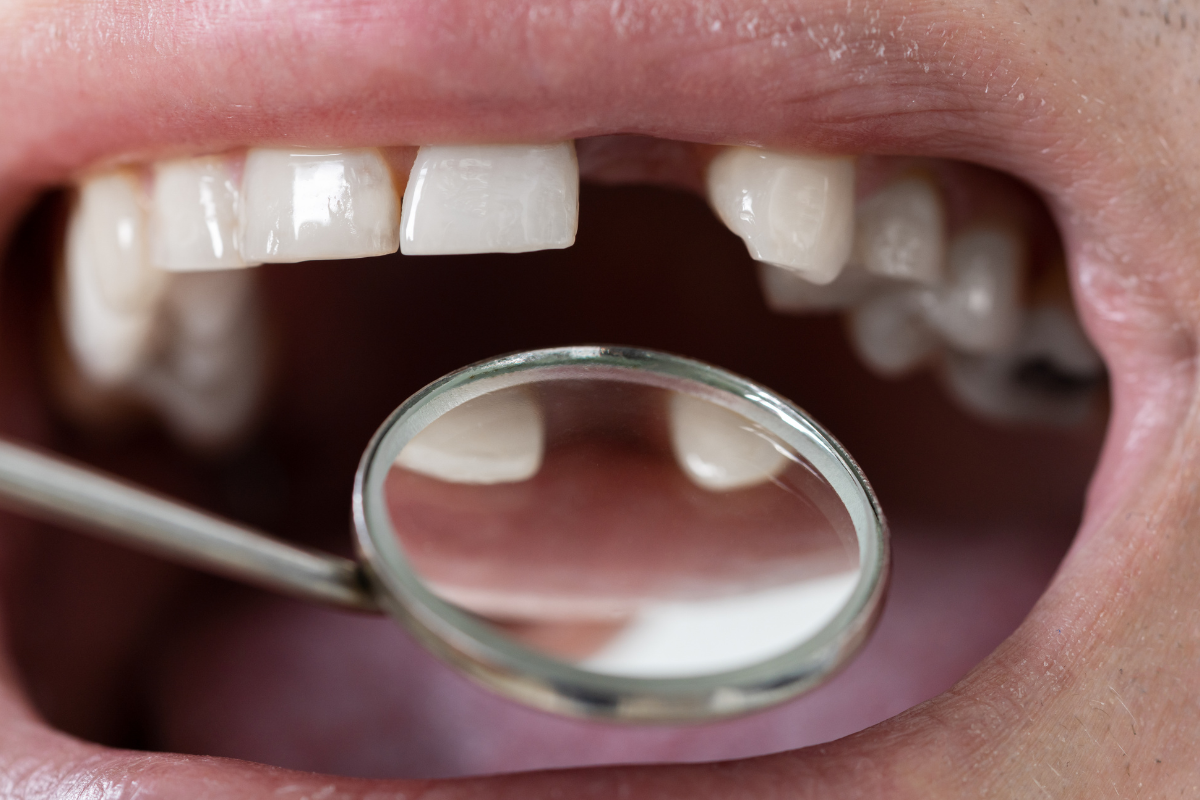
Biting into a steak taco or a plate of Gulf shrimp should not feel like a chore. When a back tooth is gone, it often does. If you are weighing dental implants corpus christi offices provide against bridges or dentures, this guide puts every option side by side in plain words. You will see how each one works, how long it lasts, what it asks of you in time and upkeep, and who it suits best. By the end, you will know which questions to ask at your first appointment.
Why Missing Back Teeth Need Attention
Back teeth do the heavy work. Molars and premolars grind food so your stomach can handle it. Lose one, and you start chewing on the other side without thinking about it. That puts extra strain on the teeth that are left.
The gap causes quieter problems too. Neighbor teeth lean into the open space. The tooth above or below the gap slowly drifts out of place because nothing meets it. Food packs into the new spaces, which raises the risk of decay and gum disease.
Then there is the bone. Your jawbone stays strong because chewing pressure travels through tooth roots into the bone. Without a root, the bone in that spot starts to shrink. You can lose up to 25% of the bone volume in the first year after a tooth is lost. Over time, that can change the shape of your face and make later treatment harder.
A missing back tooth is not just a looks issue. Waiting usually makes your choices smaller, not bigger.
Your Main Options for Replacing Back Teeth
There are four common ways to fill the gap. Each has trade-offs, so here is the plain version of all four.
Dental Implants
An implant is a small titanium post placed in the jawbone. It acts like a tooth root. A custom crown on top acts like the tooth itself. Titanium bonds with living bone, which is why implants feel steady when you chew.
The process usually runs in two phases over about 6 to 9 months. In phase one, your dentist places the post and lets the gum heal over it. In phase two, once the post has fused with the bone, the crown goes on. Healing is the longest part, and it is also what makes the result so firm.
Implants are the only choice here that replaces the root, so they are the only one that keeps the bone working. Studies report a success rate of 90 to 95% over ten years. The post can last for decades, while the crown may need replacing after 15 to 20 years of normal wear.
The trade-offs are real. Implants take the most time, involve minor surgery, and cost more up front than other choices. You also need enough healthy bone and healthy gums. If you do not have them, a bone graft or gum treatment may come first.
Fixed Dental Bridges
A bridge uses the teeth on each side of the gap as anchors. The dentist shapes those two teeth and caps them with crowns. A false tooth hangs between the crowns to fill the space.
Bridges are finished in a few weeks, and they feel fixed in place. The downside is that healthy neighbor teeth must be filed down to hold the crowns. A bridge also does not protect the bone under the gap. Most last around ten years, then need replacing.
Partial Dentures
A partial denture is a removable plate with one or more false teeth. Small metal or plastic clasps hold it to your natural teeth. For most people it is the lowest cost choice, and it needs no surgery.
You take it out to clean it and to sleep. Some people find it bulky, and it can shift while you eat. The clasps can also wear on the teeth they grip. Like a bridge, it does not stop bone loss.
Implant-Supported Bridges and Dentures
When several back teeth are missing in a row, you do not need one implant for each tooth. Two or more implants can hold a bridge that replaces a whole section. This keeps the bone working and avoids filing down healthy teeth. A removable denture can also snap onto implants for a much firmer hold than clasps give.
Side-by-Side Comparison
This chart gives you a quick view. Your own exam results will decide which row fits you.
| Option | How long it lasts | Time to finish | Surgery needed | Protects jawbone | Effect on neighbor teeth |
| Single implant and crown | Post can last decades, crown 15 to 20 years | 6 to 9 months | Yes, minor | Yes | None |
| Implant-supported bridge | Similar to a single implant | 6 to 9 months | Yes, minor | Yes | None |
| Fixed bridge | Around 10 years | A few weeks | No | No | Two teeth are shaped down |
| Partial denture | About 5 to 10 years | A few weeks | No | No | Clasps can wear on them |
How to Pick What Fits You
Start with five simple questions:
- How many teeth are missing, and are they next to each other?
- How healthy are your bone and gums?
- How soon do you want to chew normally again?
- What is your budget, today and over the next 15 years?
- Do you smoke, or have a condition like diabetes? Both can slow healing, and your dentist needs to know.
Cost over time matters. A bridge or partial costs less now but may be replaced more than once. An implant costs more now and can cost less over the long run. Your dentist can map this out for you with real numbers.
Be honest about timing too. If a wedding or a trip is two months away, a bridge or a temporary partial may be the better short-term answer. Some people wear a temporary partial while an implant heals.
Not everyone is ready for an implant on day one. Active gum disease has to be treated first. Thin bone may need a graft. A tooth that cannot be saved may need to be removed first. None of this closes the door. It only changes the order of the steps.
What Happens at Your First Appointment
A good first appointment is a conversation, not a sales pitch. The first step towards dental implants treatment your dentist can place is a full exam and X-rays. They show your bone height, your gum health, and where nerves and sinuses sit. That map keeps surgery safe and the plan accurate.
Next, your dentist talks through your goals and the options above. You should leave with a written plan that lists each step, the timeline, and the cost. Ask for it in writing, and ask what happens if the plan changes.
If dental work makes you nervous, say so. Sedation options exist, and a calm plan makes the day easier. Implant surgery uses local numbing, and most people feel mild soreness for three to five days that over-the-counter pain relievers can handle.
Cost and Insurance in Corpus Christi
Nobody can quote a fair price without seeing your mouth. Costs for dental implants Corpus Christi patients ask about vary with how many teeth you replace, whether you need a bone graft, and the type of crown. Be wary of any flat price you see online before an exam.
Insurance often pays for part of the work, such as the exam, X-rays, or the crown, but plans differ a lot. Bring your insurance card and ask the office to check your benefits before you start. Ask about payment options too. Spreading the cost over several months can put the best choice within reach.
Caring for Your New Teeth
Most of the care is simple. For the first days, skip hot food and drinks, hard brushing, and smoking. After that, brush twice a day with a soft brush and low-abrasive toothpaste. Floss daily with floss made for implants. Plan a maintenance checkup about every three months at first, or as your dentist advises. Bridges and partials need daily cleaning under and around the false teeth, too.
For more background, the American Dental Association and the American College of Prosthodontists both publish patient guides on replacing teeth.
Planning Around Life on the Coast
Tooth replacement in Corpus Christi follows the same steps as anywhere else, but local timing matters. Hurricane season runs from June through November on the Texas coast. A storm can move an appointment, and you do not want to be traveling during early healing. Leave a little extra room in your schedule.
Our office is on Airline Road on the Southside, open Monday through Friday, 8:30 a.m. to 12:30 p.m. and 1:30 p.m. to 4:30 p.m. If you work shifts at a refinery, the port, or the naval base, plan on a day or two of rest after surgery and book it early so your employer has notice.
Know Our Dentists
Choosing the dentist who plans your care matters as much as choosing the option. Here is who you will meet at Tide Dental Orthodontics & Dental Implants.
Dr. Joel Khoo
A prosthodontist has extra training in replacing and restoring teeth. Dr. Khoo earned his Bachelor of Dental Surgery at the National University of Singapore, then a Master of Science in Prosthodontics at the University of Iowa. His specialty training focuses on restoring smiles, which fits the cases in this article. He lives in Corpus Christi with his wife and two children, and enjoys gardening, cycling, and time outdoors.
Dr. ReAnn Boss
Dr. Boss is a Texas native who grew up north of Dallas and captained the soccer team at the University of Texas at Dallas. She earned her Doctor of Dental Surgery at Baylor College of Dentistry, now the Texas A&M College of Dentistry, and completed a one-year general dentistry residency in the Air Force. After seven years of general practice, which included military service, private practice, pediatrics, and teaching at the dental school, she returned to school for a Certificate in Orthodontics and a Master’s in Health Administration at A.T. Still University’s Arizona School of Dentistry and Oral Health. Her training matters when neighboring teeth have tipped into a gap and need to move back before a replacement can be placed.
Dr. Tina Huynh
Dr. Huynh grew up in Corpus Christi and went through school here, then studied at Texas A&M University and earned a master’s at the University of Texas at San Antonio. She received her Doctor of Dental Medicine from Roseman University of Health Sciences College of Dental Medicine in Utah, where she also completed an externship with Community Health Centers of Utah serving underserved communities. She joined the practice in June 2025. General dentists handle the exams, gum care, and checkups that come before and after tooth replacement.
Ready to Fill the Gap?
Missing back teeth rarely fix themselves, and the gap tends to cost more the longer it stays. Implants, bridges, and partial dentures each have a place, and the right pick depends on your bone, gums, budget, and timeline. If your exam shows you are a fit, dental implants corpus christi dentists place at our office can bring back strong, natural chewing. Schedule a consultation with Tide Dental Orthodontics & Dental Implants to get an exam, a written plan with costs, and straight answers about every option.
Frequently Asked Questions
1. Can I just leave a missing back tooth alone?
You can, but the gap rarely stays quiet. Neighbor teeth drift, the opposing tooth moves, and the jawbone under the gap shrinks. Getting it checked early keeps more options open.
2. Which option is best for back teeth?
Back teeth take the hardest chewing force, so a firm fix matters. Implants are the strongest and protect the bone. Bridges and partial dentures work when time, health, or budget rules out surgery. An exam shows which one suits you.
3. Does getting an implant hurt?
The area is numbed, so you should not feel pain during the procedure. Mild soreness, swelling, or bruising can last three to five days and usually responds to over-the-counter pain relievers.
4. How long does the whole process take?
Usually 6 to 9 months. The post is placed first, then the bone heals around it, and the crown goes on last. Bone grafts or gum treatment can add time.
5. Am I too old for an implant?
There is no upper age limit. Your jaw must be fully grown, so the minimum is usually 18. Good general health, healthy gums, and enough bone matter more than your age.
6. What if I already have bone loss?
A bone graft can rebuild the area before the post is placed. Your dentist will check your bone with X-rays and explain whether a graft is needed and how long it adds.
7. Will insurance pay for it?
Plans vary. Many cover part of the work, such as the exam, X-rays, or crown, but few cover everything. Ask the office to check your benefits and go over payment options before you start.
8. How long do bridges and partial dentures last compared to implants?
A bridge lasts around ten years, and a partial denture about 5 to 10. An implant post can last decades, and the crown on top may need replacing after 15 to 20 years.
Recent Post
November 15, 2026
What Happens If I Don’t Finish My Orthodontic Treatment?
November 13, 2026
What Are My Options If I’m Missing Back Teeth?

November 10, 2026
Is Your Child Ready for Braces? Signs Orthodontists Look For Early
November 10, 2026
Stop Gum Disease Before It Starts: Why Cleanings Matter Most
October 29, 2026