
Book Online
Is Your Child Ready for Braces? Signs Orthodontists Look For Early
November 10, 2026
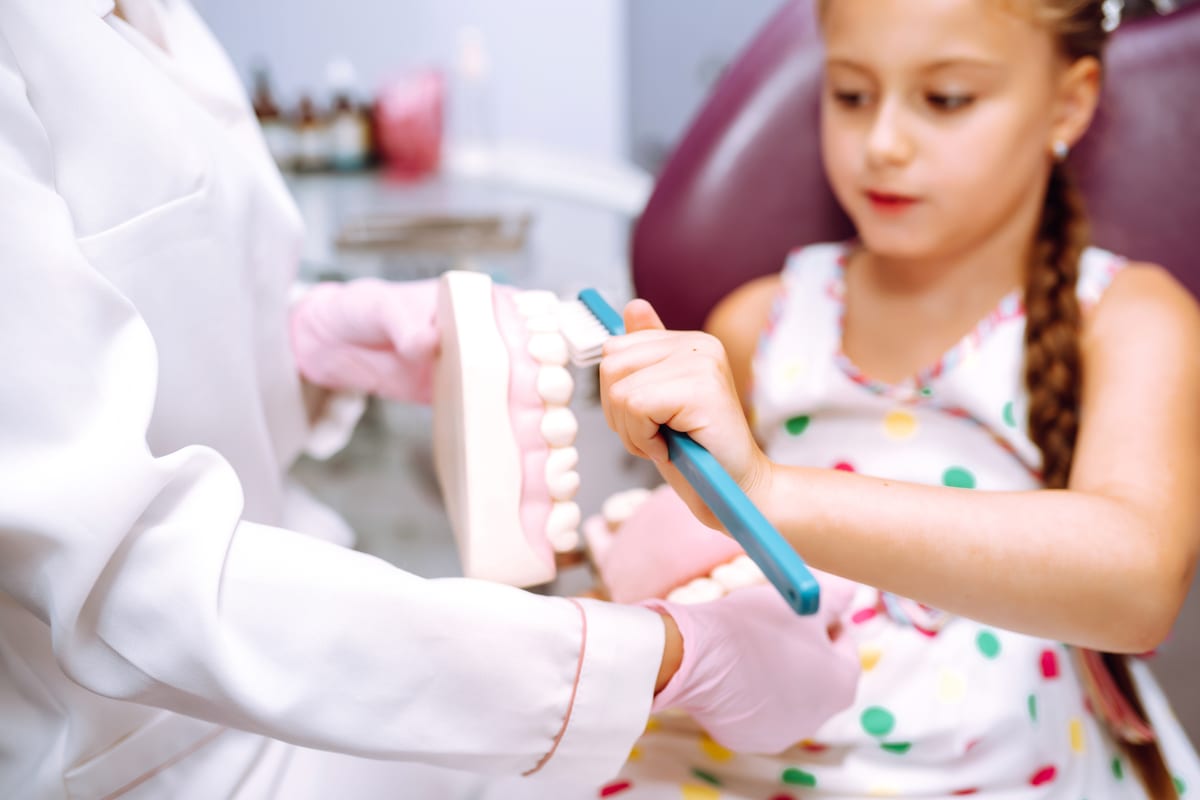
Many Corpus Christi parents wonder whether their child is ready for braces — and when the right time is to find out. Knowing the signs orthodontists look for early can help you act before small issues become bigger problems. At Tide Dental Orthodontics & Dental Implants, Dr. Joel Khoo and our team believe early evaluation is one of the most powerful steps you can take for your child’s smile. This guide breaks down what to watch for and when to schedule that first visit.
When Should Kids First See an Orthodontist in Corpus Christi?
The American Association of Orthodontists recommends a first evaluation by age seven. At this age, enough permanent teeth have come in to spot developing problems. An early visit does not always mean treatment will start right away. It simply gives the orthodontist a clear picture of what is coming.
By age seven, your child usually has their first permanent molars and incisors. This combination lets the doctor assess bite alignment and jaw development. Catching problems at this stage gives the most treatment options. Waiting too long can limit those options significantly.
Many children in Corpus Christi are referred to orthodontic evaluations through their regular dental checkups. If your child has not had a dental exam recently, that is a great place to start. Early detection is always more effective than reactive treatment.
What Is a Phase 1 Orthodontic Evaluation?
A Phase 1 evaluation — also called interceptive orthodontics — happens while a child still has baby teeth. It focuses on guiding jaw growth and making space for incoming permanent teeth. This phase typically takes place between ages six and ten. Not every child needs Phase 1 treatment, but the evaluation itself is always worthwhile.
During a Phase 1 evaluation, the orthodontist reviews X-rays, takes photos, and studies your child’s bite. They look at how the upper and lower jaws relate to each other. Jaw discrepancies are much easier to correct during growth spurts. Addressing them early can prevent surgical interventions later in life.
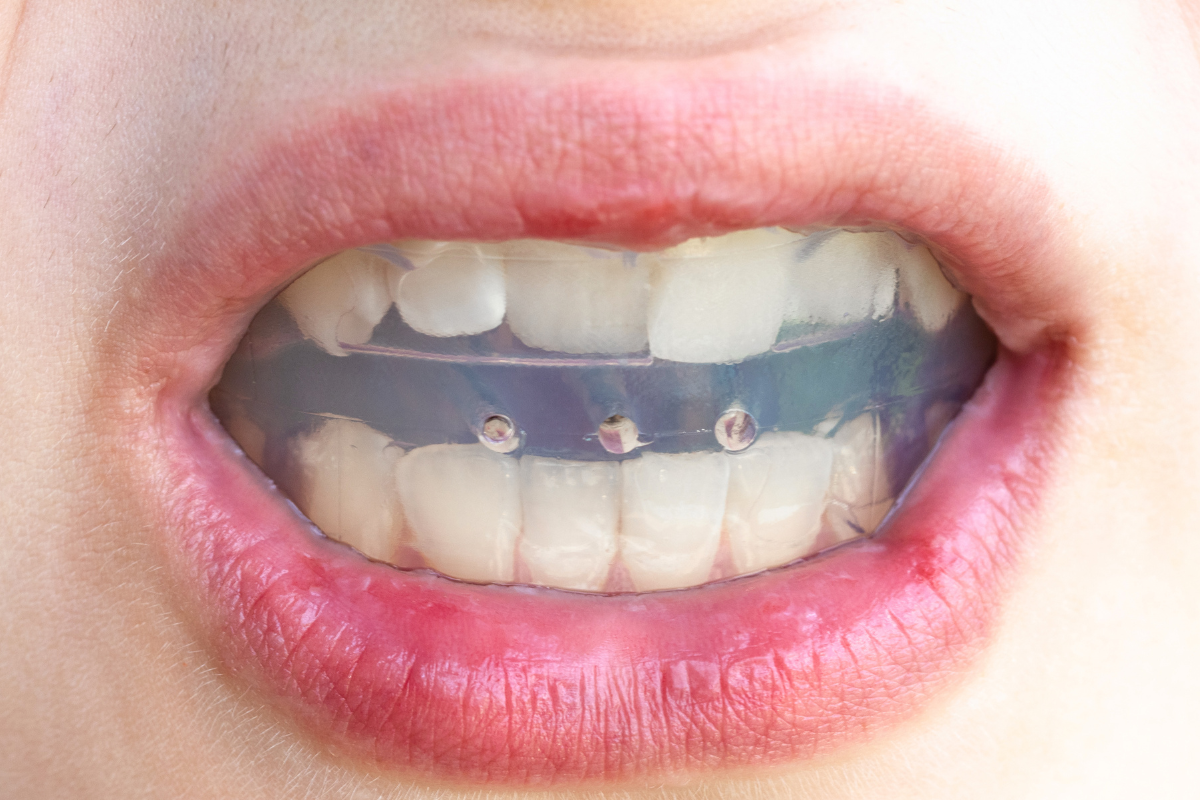
Common Phase 1 findings include crossbites, underbites, severe crowding, and thumb-sucking damage. If treatment is recommended, it often involves expanders, partial braces, or retainers. Phase 1 treatment usually lasts 9 to 18 months. A second phase — traditional braces or aligners — may still follow after all permanent teeth erupt.
Early Warning Signs Parents in Corpus Christi Can Spot at Home
You do not need to be a dentist to notice certain signs in your child’s smile. Spotting these issues early helps you seek professional guidance sooner. Here are key warning signs that warrant an orthodontic evaluation:
- Crowded or overlapping teeth — teeth that do not have enough room to grow in straight
- Early or late loss of baby teeth — losing teeth too early or too late can disrupt spacing
- Difficulty chewing or biting — struggling with food may signal a bite problem
- Mouth breathing — a sign of airway issues that can affect jaw development
- Thumb or finger sucking past age five — can push teeth forward and alter jaw shape
- Visible gaps or shifting teeth — teeth moving on their own may indicate spacing imbalance
- Protruding front teeth — upper teeth that stick out are more vulnerable to injury
- Jaw clicking or shifting — audible jaw sounds can signal alignment issues
If you notice any of these signs, schedule an evaluation promptly. Early intervention is far less complex than treating fully developed misalignment. Trust your instincts as a parent — you see your child’s smile every day.
How Oral Health Connects to Orthodontic Readiness
Healthy gums and teeth are a prerequisite for orthodontic treatment. Braces and other appliances place stress on the gums and bone. Children with untreated gum problems may face complications during treatment. That is why a full dental evaluation should always precede orthodontic work.
Gum health is especially important before any appliance is placed. If your child shows early signs of gum disease, that must be addressed first. Our team provides Gum Disease Periodontal Treatment Corpus Christi families trust for thorough, compassionate care. Treating gum disease before braces keeps the foundation strong throughout the entire orthodontic journey.
Cavities and tooth decay also need to be resolved before orthodontic treatment begins. Brackets and wires can trap food and increase cavity risk. Starting with a clean, healthy mouth gives your child the best outcome. Regular pediatric dental visits help keep those checkpoints on track.
What to Expect at Your Child’s First Orthodontic Appointment
Knowing what happens at that first visit can ease your child’s nerves — and yours. The appointment is typically relaxed, informative, and non-invasive. Here is a simple overview of what to expect:
- Medical and dental history review — the team gathers background information about your child’s health
- Clinical examination — the orthodontist checks teeth, bite, jaw, and facial symmetry
- Diagnostic records — X-rays and photos help map out bone structure and tooth positioning
- Treatment discussion — the doctor explains findings and whether treatment is needed now or later
- Questions and answers — this is your opportunity to ask anything on your mind
Most first visits last between 45 minutes and one hour. Children are rarely anxious after this appointment because it involves no drilling or discomfort. Bringing questions written down beforehand helps you make the most of the consultation. Dr. Khoo takes time to explain every finding in clear, simple language.
If your child needs dental care urgently before an orthodontic eval, our team also provides Emergency Dental Care Corpus Christi residents rely on for fast, compassionate treatment. We handle dental emergencies to get your child stable and comfortable quickly.
Benefits of Early Orthodontic Evaluation for Children
Parents often ask whether early evaluations are truly necessary. The answer is a clear yes — and the benefits go well beyond a straighter smile. Early orthodontic care addresses functional, developmental, and aesthetic concerns together. Here is why early evaluation matters:
- Guides proper jaw and facial development during key growth windows
- Reduces the risk of tooth trauma from protruding front teeth
- Creates space for permanent teeth to erupt in better positions
- May shorten or simplify future orthodontic treatment
- Improves chewing function and speech clarity in some children
- Boosts self-confidence during important social development years
- Catches skeletal problems while the jaw is still growing and more responsive
Early evaluation is not about rushing treatment. It is about having a plan before problems compound. When orthodontic timing is optimized, results are often better and treatment is shorter. That is a win for both kids and parents.
Take the First Step for Your Child’s Smile Today
If you have noticed any warning signs in your child’s bite or smile, now is a great time to act. Children in Corpus Christi benefit enormously from early orthodontic evaluations — especially when paired with consistent pediatric dental care. Dr. Joel Khoo and the Tide Dental team are here to guide your family through every stage. Book Now to schedule your appointment with our team.
Frequently Asked Questions
At what age should my child have their first orthodontic evaluation?
Most orthodontists recommend a first evaluation by age seven. By this age, enough permanent teeth have erupted for the doctor to identify developing alignment or bite issues. Early evaluation does not always mean immediate treatment — it simply helps create a proactive plan for your child’s smile.
What are the most common signs that a child may need braces?
Common signs include crowded or overlapping teeth, difficulty chewing, mouth breathing, thumb sucking past age five, early or late loss of baby teeth, and protruding upper front teeth. If you notice any of these in your child, schedule an orthodontic evaluation as soon as possible.
Does my child need braces if they still have baby teeth?
Not always, but an evaluation while baby teeth are still present can be very valuable. Phase 1 orthodontic treatment is designed for children who still have a mix of baby and permanent teeth. It addresses jaw development and spacing issues before all the permanent teeth arrive.
How is gum health related to orthodontic treatment?
Healthy gums are essential before braces or any orthodontic appliance is placed. Untreated gum disease can worsen under the pressure of braces and compromise treatment results. Our team recommends a full dental and gum health evaluation before starting any orthodontic care.
What happens if we wait too long to evaluate my child’s teeth?
Waiting too long can reduce treatment options and sometimes require more complex interventions, including surgery. Orthodontic treatment is most effective when the jaw is still growing and responsive. Early evaluation helps your child’s team identify the ideal treatment window and plan accordingly.
Recent Post
November 15, 2026
What Happens If I Don’t Finish My Orthodontic Treatment?
November 13, 2026
What Are My Options If I’m Missing Back Teeth?
November 10, 2026
Is Your Child Ready for Braces? Signs Orthodontists Look For Early
November 10, 2026
Stop Gum Disease Before It Starts: Why Cleanings Matter Most
October 29, 2026