
Book Online
How Long Does the Complete Dental Implant Process Take From Consultation to Final Restoration?
September 29, 2026
A missing tooth throws off more than your smile. It changes how you chew, how your jawbone holds its shape, and even how nearby teeth shift over time. Dental implants fix that by replacing both the root and the crown, but the process is not a single visit. Patients searching for dental implants corpus christi options usually want one thing first: a real answer on how long this takes from start to finish. The short version is anywhere from three months to over a year, depending on your mouth. Here is exactly why the timeline varies and what happens at each stage.
What Happens at Your First Consultation
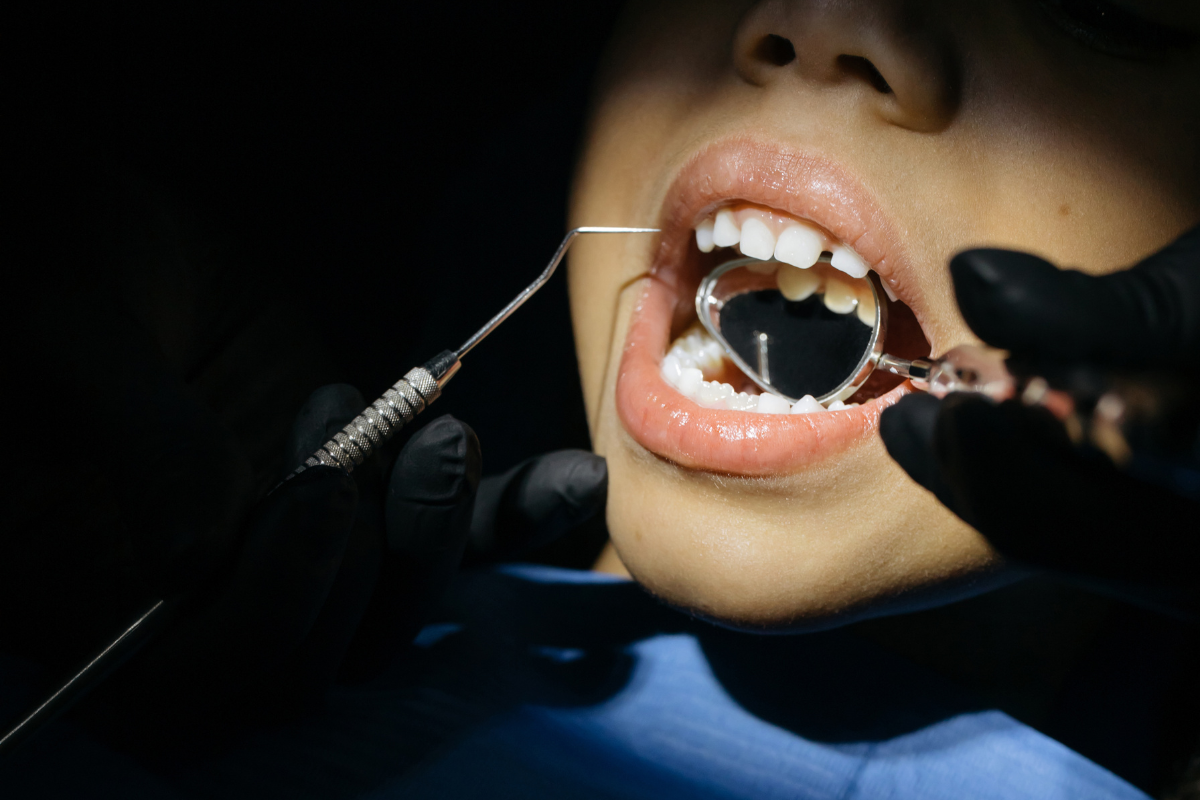
Your first visit is mostly about gathering information, not starting treatment. Expect a full exam, X-rays, and often a 3D scan of your jaw. This scan shows your dentist exactly how much bone you have and whether it can support an implant right away.
Your dentist will also ask about your medical history, since conditions like diabetes or smoking can affect how well an implant heals. This visit usually takes about an hour, and by the end, you should have a written plan with a realistic timeline for your specific case. If you’re weighing options with a corpus christi dentist for the first time, this planning stage is where most of your questions get answered before any drilling happens.
The Extraction and Healing Stage (If Needed)
Not every patient needs a tooth pulled first, but many do. If an extraction is part of your plan, your jawbone typically needs eight to twelve weeks to heal before an implant can go in. Some patients qualify for an immediate implant placed the same day as the extraction, which skips this waiting period entirely. Your dentist will tell you during the consultation whether your case fits that option or needs the longer healing route.
Bone Grafting: When It’s Needed and How Long It Adds
If you have lost bone density from years without a tooth in that spot, a bone graft may come first. This procedure adds material to rebuild a strong enough base for the implant. Grafting itself takes under an hour, but healing adds real time, usually three to six months before the site is ready.
This step surprises a lot of first-time patients because they expected to move straight to the implant. It’s a normal part of restoring dental implants, patients need after years of bone loss, and skipping it would risk the implant failing later.
Placing the Implant: What the Timeline Looks Like
Once your jaw is ready, the implant itself is a straightforward surgery, usually one to two hours under local anesthesia. Most patients go home the same day with some swelling and mild soreness for a few days afterward. This is the part people picture when they think about implants, but it’s actually one of the shorter steps in the whole timeline.
Osseointegration: The Waiting Period That Matters Most
After placement, the implant needs to fuse with your jawbone. This process, called osseointegration, is what makes implants stronger and more stable than dentures or bridges. It takes three to six months on average, sometimes longer in the lower jaw versus the upper jaw because bone density differs between the two.
There is no way to safely rush this stage. Trying to attach a final crown too early risks the implant failing before it has bonded properly.
Comparing the Stages: A Quick Reference
Here is a simple breakdown of where most of the time actually goes.
| Stage | Typical Time Needed |
| Consultation and planning | 1 visit, results in 1-2 weeks |
| Extraction healing (if needed) | 8-12 weeks |
| Bone grafting healing (if needed) | 3-6 months |
| Implant placement surgery | 1-2 hours |
| Osseointegration (fusion with bone) | 3-6 months |
| Abutment placement | 1 short visit |
| Final crown fitting | 2-3 weeks after abutment |
A patient with healthy bone and no extraction needed might finish in three to four months. Someone who needs grafting and an extraction first could be looking at nine months to a year. Both outcomes are normal.
Attaching the Abutment and Final Restoration
Once your implant has fully fused, a small connector piece called an abutment gets attached. A few weeks after that, your custom crown is placed on top. This final piece is matched to your natural teeth in color and shape, so it blends in rather than standing out.
Most patients describe this last visit as quick and painless compared to earlier stages. It’s the moment the whole plan finally comes together, and for many people, it’s the first time in months they stop thinking about the tooth at all.
Factors That Can Speed Up or Slow Down Your Timeline
A few things shift your personal timeline in either direction.
- Bone density and jaw health going into treatment
- Whether you smoke, which slows healing significantly
- Diabetes or other conditions affecting recovery
- How many implants you need at once
- Whether you choose an immediate-load implant versus a traditional healing period
Your dentist can give you a much more specific number once your exam and scans are done. General ranges are a starting point, not a promise.
Know Our Doctors
Dr. Joel Khoo is a prosthodontist, meaning his training focuses specifically on restoring teeth after loss or damage. He earned his Bachelor of Dental Surgery from the National University of Singapore, then completed a Master of Science in Prosthodontics at the University of Iowa. He has built his practice around giving patients back smiles they thought were out of reach, and his additional specialty training is exactly the background you want guiding an implant case from planning through final crown.
Dr. Tina Huynh grew up in Corpus Christi and returned home after finishing her Doctor of Dental Medicine degree at Roseman University of Health Sciences in Utah. As a general dentist, she often handles the early exam and treatment planning stage, walking patients through what to expect before any surgical step begins. Her local roots mean she understands the patients she treats, not just their charts.
Dr. ReAnn Boss brings a background in general dentistry and orthodontics, including a residency in Advanced Education in General Dentistry through the Air Force. While her focus today is orthodontic care, her broad dental training rounds out a team that can address a patient’s full smile, not just one tooth at a time.
Getting Started
The full journey from first exam to final crown takes patience, but each stage exists for a good reason: your body needs real time to heal and bond properly. Skipping steps to save a few weeks usually costs more time later if something fails. If you’re ready to find out where your case falls on this timeline, book an appointment with Tide Dental Orthodontics & Dental Implants for a consultation. A local corpus christi dentist who handles this process daily can give you a much clearer answer than any general estimate online.
Frequently Asked Questions
1. Can I get an implant the same day my tooth is pulled?
Sometimes. It depends on how much healthy bone is at the site and whether infection is present. Your dentist will confirm this during your exam.
2. Does the implant surgery hurt?
Most patients report mild soreness for a few days afterward, managed with over-the-counter pain relief. The procedure itself uses local anesthesia.
3. What if I don’t have enough bone for an implant?
A bone graft can rebuild the area first. It adds a few months to the process but makes a long-term implant possible.
4. How long does the crown itself take to make?
Once the abutment is placed, a custom crown usually takes two to three weeks to fabricate and fit.
5. Is there an age limit for getting an implant?
No set upper limit exists. What matters more is overall health and bone density, not age alone.
6. Will I be without a tooth the entire time?
No. Temporary options like a flipper or temporary crown are usually available while your permanent restoration is in progress.
7. How long do dental implants typically last?
With good care, implants often last 20 years or longer, and many last a lifetime.
8. Does smoking really affect healing time?
Yes, significantly. Smoking slows blood flow to healing tissue and raises the risk of implant failure.
Recent Post
October 29, 2026
The Long-Term Benefits of Correcting Misaligned Teeth and Bite Problems
October 22, 2026
Creating a Practical Morning and Nighttime Oral Hygiene Routine

October 15, 2026
Tooth Pain When Chewing: Common Problems That May Be Hiding Beneath the Surface
October 12, 2026
Smoking During Dental Implant Treatment: How It Can Affect Healing and Long-Term Results
September 29, 2026