
Book Online
Hidden Dental Problems Dentists Find During Routine Checkups
August 22, 2026
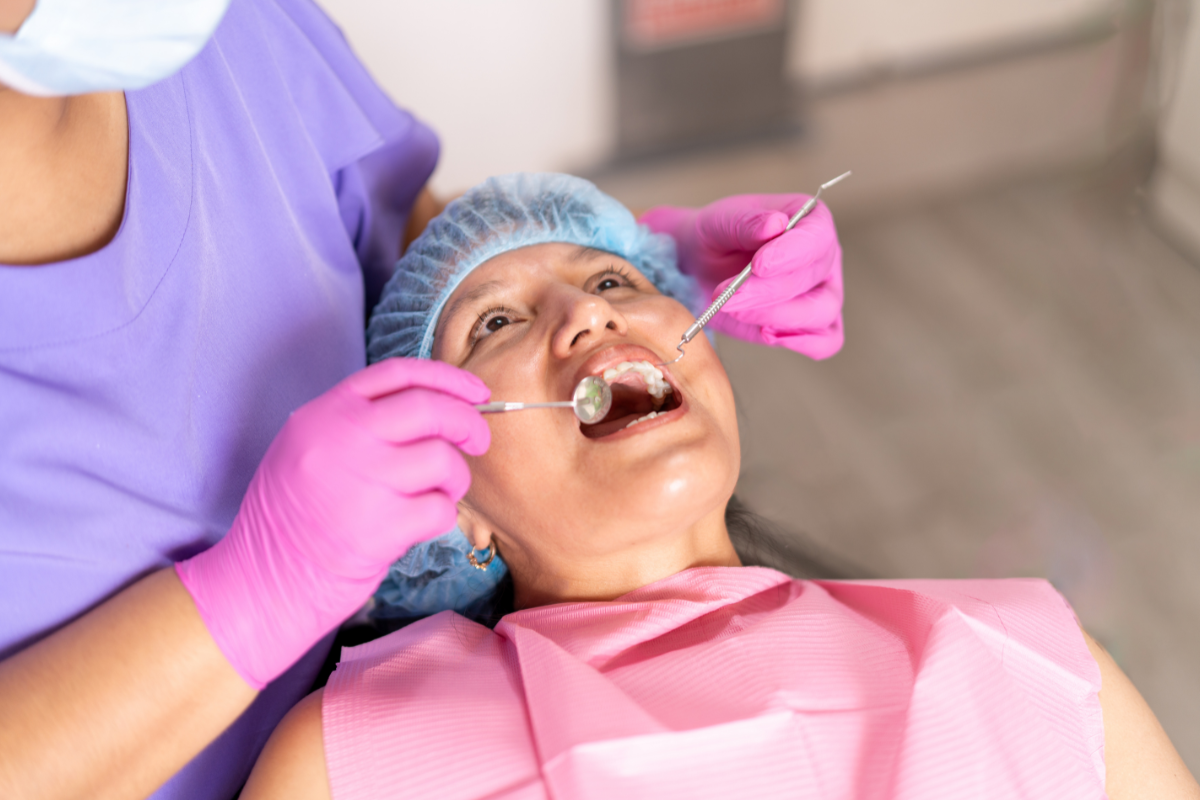
Most patients walk into a dental visit thinking about one thing: whether they will need a filling. But a routine checkup does far more than count cavities. Trained eyes and simple tools catch problems long before pain shows up, and that is exactly what makes preventive care so valuable.
If you have ever left an appointment surprised by something your dentist found, you are not alone. A dentist sees this happen almost every week, and a good corpus Christi dentist will always walk you through exactly what was found and why. Small issues that feel like nothing at home often show clear warning signs on an exam or an X-ray. This guide walks through what gets found, why it matters, and what you can do about it.
Why Routine Checkups Catch More Than You Think
A dental exam is not just a quick look and a cleaning. It is a full check of your teeth, gums, jaw, and the soft tissue inside your mouth. Dentists use X-rays, visual exams, and gentle probing to spot changes that are invisible to the naked eye.
Many dental problems grow slowly and quietly. A cavity between two teeth will not hurt until it reaches the nerve. Gum disease can advance for months without pain. This is why seeing a dentist in corpus christi twice a year matters so much. Waiting for pain usually means waiting for a bigger, more expensive problem.
Common Hidden Problems Found During a Checkup
Cavities Between Teeth
Cavities that form between teeth are hard to catch just by looking. Your toothbrush and floss can miss the exact spot, and decay hides where your eyes cannot see. X-rays taken during a checkup reveal these early, often before you feel a thing. Catching a small cavity early usually means a simple filling instead of a root canal later.
Early Gum Disease
Gums that bleed a little when you brush are often brushed off as normal. They are not. Bleeding, redness, or slight swelling can point to gingivitis, the early stage of gum disease. Left alone, it can progress to periodontitis, which affects the bone holding your teeth in place. A dentist checks gum pockets with a small probe during your exam to catch this stage before it turns serious.
Cracked or Fractured Teeth
Small cracks in teeth often do not hurt and are easy to miss without a close exam. They can come from grinding, chewing ice, or normal wear over the years. Left unchecked, a hairline crack can deepen and eventually reach the nerve, leading to sharp pain or infection. Spotting a crack early gives your dentist options like a crown or bonding, instead of a more involved procedure down the road.
Worn Enamel from Teeth Grinding
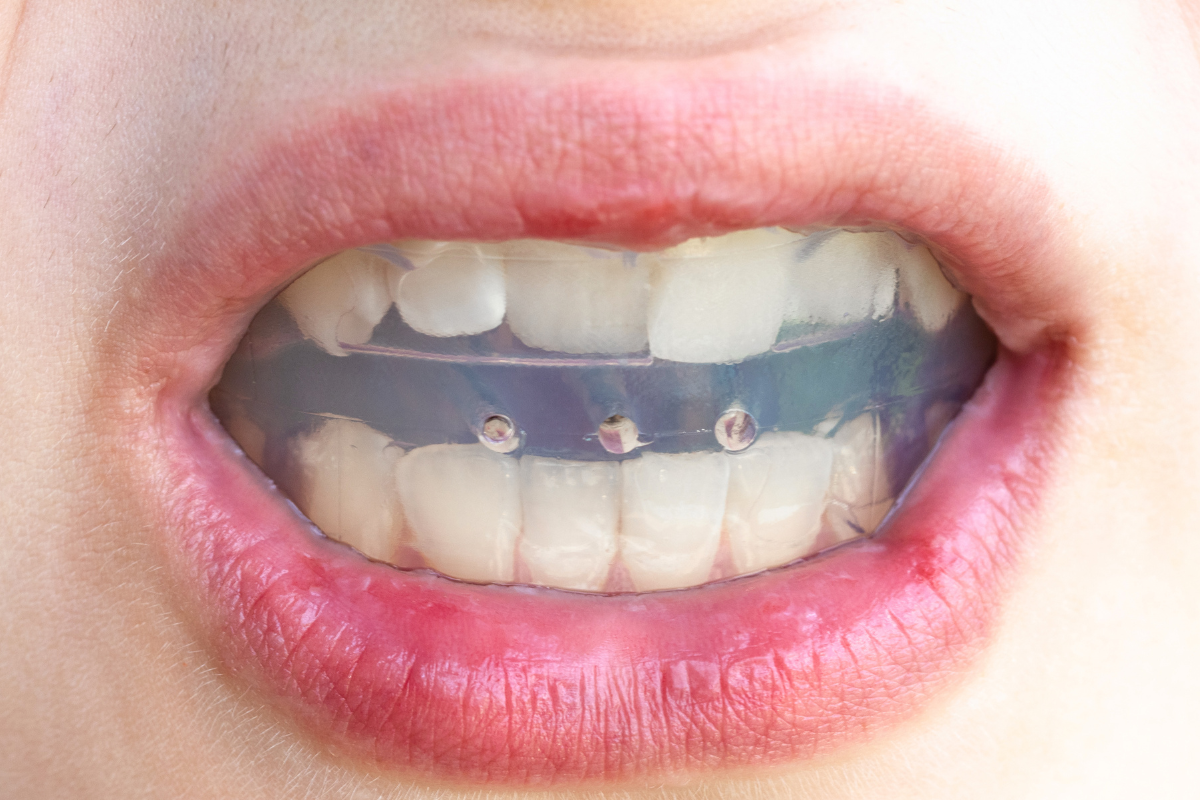
Many people grind their teeth at night without realizing it. Over time, this wears down enamel, flattens the biting surface, and can cause jaw pain or headaches. A dentist often notices the pattern of wear before a patient even mentions any discomfort. Once identified, a night guard is a simple, affordable way to protect your smile.
Oral Cancer Warning Signs
This is one of the most important reasons never to skip a checkup. During a visual and physical exam, your dentist checks your tongue, cheeks, throat, and the floor of your mouth for unusual spots, sores that will not heal, or texture changes. Oral cancer caught early has a much higher survival rate, and this screening takes only a couple of minutes. It is one of the quiet, life-saving parts of a standard visit.
Old Fillings and Crowns Wearing Down
Dental work does not last forever. Fillings can crack, shrink, or pull away from the tooth over the years, letting bacteria sneak in underneath. Crowns can loosen too. These issues are usually painless until they fail completely, so a checkup lets your dentist catch a worn filling before it turns into a new cavity.
Signs of Acid Erosion
Frequent soda, citrus, or acidic foods can wear away enamel over time, even with good brushing habits. This shows up as thinning enamel, increased sensitivity, or a slightly translucent edge on your front teeth. Many patients never connect their diet to what shows up in the mirror. A dentist in Corpus Christi can point out early erosion and suggest simple changes to slow it down.
Jaw Joint (TMJ) Issues
Clicking, popping, or tightness in your jaw is easy to ignore, especially if it does not hurt every day. During an exam, a dentist checks your bite alignment and jaw movement, which can reveal early TMJ problems. Left untreated, these can lead to chronic pain and trouble chewing comfortably.
Comparison: Symptoms You Might Notice vs. What a Dentist Actually Finds
| What You Might Feel at Home | What a Dentist Often Finds During a Checkup |
| Nothing at all | Early cavity between teeth on X-ray |
| Slightly bleeding gums after brushing | Gum pocket depth showing early gum disease |
| No pain, just occasional sensitivity | Cracked tooth or thinning enamel |
| Mild jaw tightness in the morning | Signs of nighttime teeth grinding |
| A sore that seems like a canker sore | Tissue change that needs monitoring or biopsy |
| An old filling that “feels fine” | Filling breaking down underneath the surface |
This table shows exactly why checkups matter more than how your mouth feels day to day. Pain is usually a late sign, not an early one.
Know Our Dentists
Getting to know the people behind your care can make dental visits feel a lot less intimidating. Here is a closer look at the team at Tide Dental Orthodontics & Dental Implants in Corpus Christi.
Dr. Joel Khoo earned his dental degree from the National University of Singapore and completed a Master of Science in Prosthodontics at the University of Iowa. His advanced training means he has deep experience restoring smiles for patients with complex needs, including full-mouth rehabilitation and dental implants. Dr. Khoo says he finds the greatest reward in helping patients move past dental fear and into confidence about their smile. He lives in Corpus Christi with his family and stays active in the local community.
Dr. ReAnn Boss brings a wide range of experience to the practice, including military dental service, private practice, pediatric care, and teaching at a dental school. After seven years as a general dentist, she went back to school and became an orthodontist, earning a Master’s in Health Administration along with her orthodontic certificate. A Texas native, Dr. Boss combines her general dentistry background with orthodontic expertise, making her a strong fit for patients who need both preventive care and straightening treatment like braces or Invisalign.
Dr. Tina Huynh grew up right here in Corpus Christi and completed her schooling locally before heading to Texas A&M University for her undergraduate degree. She later earned her Doctor of Dental Medicine degree and completed an externship providing care to underserved communities. As a general dentist, Dr. Huynh focuses on patient-centered care and creating a welcoming, low-stress visit, especially for patients who feel nervous about the dentist.
Together, this team gives patients access to general dentistry, orthodontics, prosthodontics, and implant care, all in one Corpus Christi location.
What Happens If a Problem Is Found
Finding an issue during a checkup is not something to panic about. It is actually the best possible outcome, because it means the problem was caught while it is still small. Your dentist will walk you through what was found, show you the X-ray or the affected area when possible, and explain your options in plain language. From there, you can decide on next steps together, whether that means a filling, a deeper cleaning, a night guard, or a referral for something more specialized.
A trustworthy corpus Christi dentist should never rush this conversation. You deserve clear answers and a treatment plan that makes sense for your budget and your comfort level, not pressure to agree on the spot.
How Often You Should Really Be Getting Checked
Most people benefit from a checkup every six months, though this is not a one-size-fits-all rule. Patients with gum disease, a history of cavities, or health conditions like diabetes may need more frequent visits. Kids benefit from early, regular visits too, since baby teeth and jaw development both need monitoring.
If it has been longer than a year since your last visit, do not let that keep you away. Dental teams see gaps in care all the time, and the goal of your next visit is simply to get you back on track.
Our Patients Review
Reviews from real patients often explain the value of preventive care better than any article can.
“Tide Dental has been a blessing. I felt so comfortable and at ease with my questions being answered and the time they took with me being a new patient. I feel very confident that they can take care of my problems with the vast knowledge and ideas we discussed. I’m excited to get started.”
★★★★★ — (Kelly Hackman)
Feedback like this reflects exactly why routine visits matter. Small problems handled early stay small, and a calm, clear approach from the dental team makes it easier for patients to keep coming back.
Helpful External Resources
For patients who want to learn more about preventive dental care from trusted national sources, the American Dental Association offers detailed guidance on checkup frequency and oral health basics. The Centers for Disease Control and Prevention also publishes practical information on oral health and disease prevention at cdc.
Take the Next Step Toward a Healthier Smile
Hidden dental problems are only hidden until someone takes the time to look. A routine checkup with a dentist in Corpus Christi gives you the chance to catch small issues early, protect your smile, and avoid bigger, more expensive treatment later. Whether it has been six months or a few years since your last visit, there is no better time to schedule one than now.
Tide Dental Orthodontics & Dental Implants welcomes new and returning patients across Corpus Christi, Texas, for checkups, cleanings, and full-family dental care. As your local corpus christi dentist, our team is ready to help you stay ahead of problems before they start. Book your appointment today.
Frequently Asked Questions
1. How long does a routine dental checkup usually take?
Most checkups take between 45 minutes and an hour, including the exam, X-rays if needed, and a cleaning.
2. Will a checkup hurt if I have sensitive teeth?
The exam and cleaning are gentle, and your dental team can adjust their approach if you mention sensitivity ahead of time.
3. Do I need X-rays at every visit?
Not necessarily. Many patients only need X-rays once a year unless there is a specific concern that needs closer monitoring.
4. Can a checkup detect problems that don’t cause any pain yet?
Yes, this is one of the main reasons checkups matter. Many issues like early cavities and gum disease show no symptoms until they progress further.
5. What should I do if my dentist finds a cavity?
Ask about your options and timeline. Most small cavities are treated with a simple filling and do not require urgent same-day treatment unless there is pain.
6. Is it normal for gums to bleed a little during a cleaning?
Some mild bleeding can happen, especially if gum tissue is inflamed, but consistent bleeding at home is worth mentioning to your dental team.
7. How can I make my next checkup less stressful?
Let the front desk and dental team know about any anxiety ahead of time. Most offices, including family-focused practices, are happy to slow down and explain each step.
8. What happens during an oral cancer screening?
Your dentist or hygienist will visually check and gently feel areas like your tongue, cheeks, and throat for unusual spots or texture changes. It only takes a couple of minutes and is included in a standard exam.
Recent Post
October 29, 2026
The Long-Term Benefits of Correcting Misaligned Teeth and Bite Problems

October 22, 2026
Creating a Practical Morning and Nighttime Oral Hygiene Routine

October 15, 2026
Tooth Pain When Chewing: Common Problems That May Be Hiding Beneath the Surface
October 12, 2026
Smoking During Dental Implant Treatment: How It Can Affect Healing and Long-Term Results
September 29, 2026