
Book Online
The Tooth Infection Warning Sign That Sends Patients to the ER
August 14, 2026
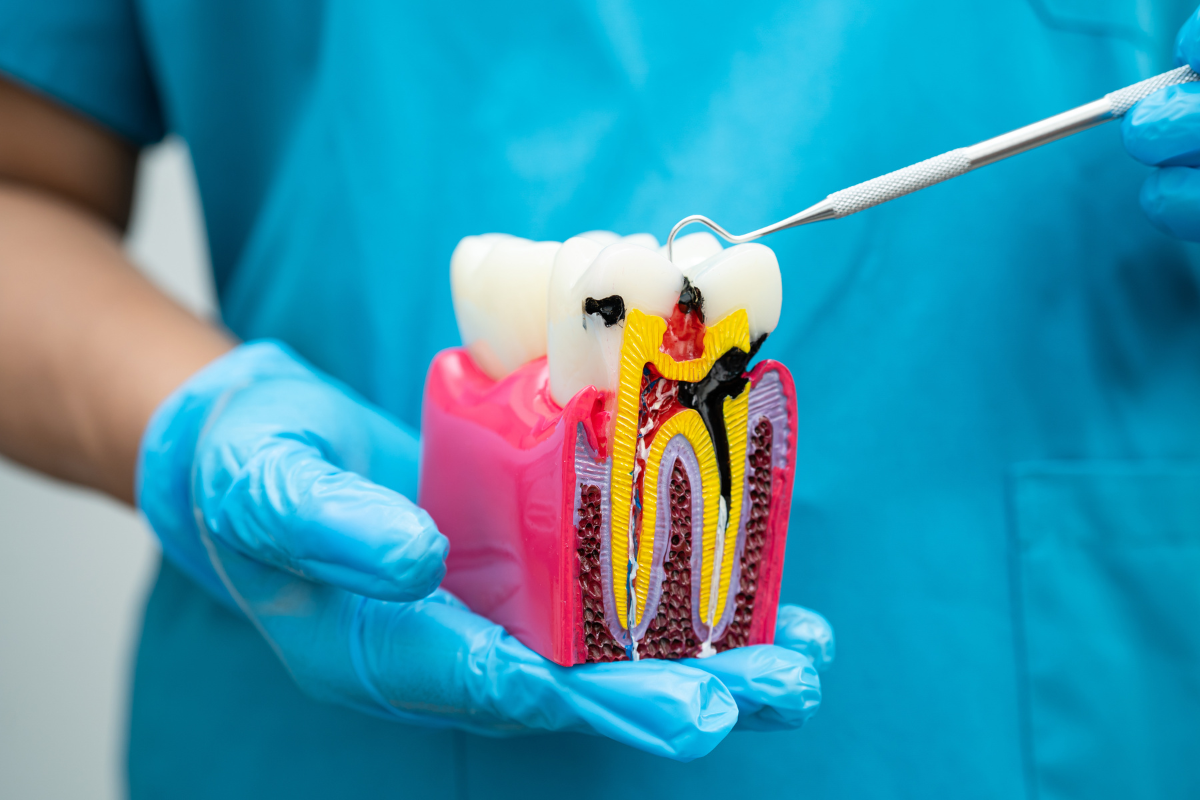
A toothache is common. Most people shrug one off, take some ibuprofen, and figure it will pass. Dentists see this every week, and most of the time, that instinct turns out fine. But there is one specific warning sign tied to tooth infections that doctors and dentists take very seriously, because it can turn into a life threatening emergency within hours.
That sign is swelling that spreads beyond the tooth itself, especially under the jaw, in the neck, or around the eye. When an infection reaches this stage, waiting for a regular appointment with an emergency dentist corpus christi families trust is no longer the safest choice. This guide explains why that swelling matters so much, what happens inside your body when it spreads, and when it is time to head straight to the ER instead of waiting it out.
What Makes This Type of Infection So Dangerous
A tooth infection usually starts small, deep inside a cavity or below the gumline. Left untreated, bacteria can build up into a pocket of pus called an abscess. Most abscesses stay contained and cause a dull, throbbing ache that gets worse over days.
The danger comes when that infection breaks out of the tooth and spreads into the soft tissue of the face, neck, or throat. This is not common, but when it happens, the infection can move fast. Swelling in these areas can press on your airway, making it hard to breathe or swallow, which is why doctors treat it as a true medical emergency rather than a routine dental problem.
The Warning Sign You Should Never Ignore
Swelling under the jaw or in the neck, especially if it feels hard or spreads quickly, is the single sign that should send you to an emergency room rather than waiting for a dental office to open. This kind of swelling often comes with other symptoms that show the infection is no longer staying in one place.
Watch for a fever that will not go down, trouble opening your mouth all the way, difficulty swallowing, or a change in your voice. Trouble breathing is the most serious symptom of all, since it can point to swelling that is closing in on your airway. Any of these signs alongside tooth pain means it is time to act right away, not tomorrow.
How a Simple Toothache Turns Into a Medical Emergency
Not every toothache is heading toward this outcome, but understanding the path helps you catch trouble before it gets serious. Here is how the progression typically looks.
| Stage | What You Might Notice | What It Means |
| Early decay | Mild sensitivity to hot or cold | Cavity forming, no infection yet |
| Untreated cavity | Sharp pain when biting or chewing | Bacteria reaching the inner tooth |
| Tooth abscess | Constant throbbing ache, swelling near the tooth | Infection is contained but active |
| Spreading infection | Swelling in the jaw, neck, or face | Infection has moved past the tooth |
| Airway involvement | Trouble breathing or swallowing | Medical emergency, call 911 |
Most people who reach out to an emergency dentist corpus christi, they generally call during business hours are still in the abscess stage, where prompt dental treatment can stop things from moving any further.
ER or Dentist? Knowing Where to Go First
This is one of the most common questions patients ask, and the answer depends on what symptoms you have. If swelling is limited to the area right around the tooth and you can still breathe, swallow, and open your mouth normally, calling a dental office is usually the right first step.
If you notice swelling spreading into your neck, a fever that keeps climbing, or any trouble breathing or swallowing, go to the emergency room immediately. Hospitals can manage the infection with IV antibiotics and stabilize you, but they typically cannot treat the tooth itself. Following up with a same day emergency dentist corpus christi patients rely on afterward is still necessary to fully resolve the problem at its source.
What Happens If You Wait
Tooth infections rarely improve without treatment. Pain relievers might dull the ache for a while, but they do nothing to clear the bacteria causing it underneath. During that delay, the infection keeps looking for new places to spread.
In rare but serious cases, an untreated infection can travel into the bloodstream or deeper tissue spaces in the neck and chest, leading to complications that require hospitalization and even surgery in extreme cases. This is exactly why dentists stress catching a tooth infection early, before it has a chance to reach that point. Getting seen quickly by a dentist in corpus christi at the first sign of serious pain gives you the best odds of a simple, straightforward fix.
Know Our Dentists
Getting the right care fast starts with a team that knows how to recognize a true emergency. Finding a dentist in corpus christi you trust before an emergency happens makes a real difference when minutes count. At Tide Dental Orthodontics & Dental Implants, patients in Corpus Christi are cared for by a group of experienced, highly trained dentists.
Dr. Joel Khoo earned his Bachelor of Dental Surgery from the National University of Singapore before completing a Master of Science in Prosthodontics at the University of Iowa. He is a certified Hybridge implants provider, which gives him advanced training for complex restorative cases, including patients who need extensive work after a serious infection or tooth loss. Dr. Khoo lives in Corpus Christi with his family and is known for helping anxious patients feel calm and confident during treatment.
Dr. ReAnn Boss graduated from Baylor College of Dentistry, now known as the Texas A&M College of Dentistry, and completed a residency in Advanced Education in General Dentistry through the Air Force. She brings years of experience across general dentistry, pediatric care, and teaching, along with additional training in orthodontics. Her broad background makes her well suited to handle everything from routine exams to sudden, painful dental problems.
Dr. Tina Huynh is a Corpus Christi native who earned her Doctor of Dental Medicine degree at Roseman University of Health Sciences College of Dental Medicine in Utah. She completed an externship with Community Health Centers of Utah, gaining hands on experience treating a wide range of patients before returning home to practice general dentistry in the community she grew up in.
What Our Patients Say
Patient experiences often say the most about how a practice handles pain and discomfort. One patient shared that
“I have been with tide dental for some years & it never fails that I leave completely satisfied & taken care of. It is a clean, welcoming facility. Dr Khoo is hands down one of the best dentist in the city! Very thorough, upfront & perfectly explains the course of treatment. The office staff is very welcoming & all the times I come it’s rare I see someone new, which is a huge plus to know turnover rate there is minimal unlike other dentists I have visited. Will continue to always chose tide dental!” ★★★★★ (katrinaepps2002)
Stories like this reflect how quickly discomfort can improve once the right treatment is in place.
How to Protect Yourself From This Emergency
Regular dental visits remain the best way to avoid ever reaching this point. Most infections that spread got their start as a small cavity that went unnoticed or ignored for months.
Brushing twice a day, flossing daily, and keeping up with routine cleanings catch small problems while they are still simple to treat. If you ever feel a toothache that keeps getting worse instead of better, do not wait to see if it clears up on its own, since early treatment is almost always simpler and less costly than waiting.
Frequently Asked Questions
1. How fast can a tooth infection spread to other parts of the body?
It varies by case, but a spreading infection can worsen within a day or two, which is why new swelling or fever should never be ignored.
2. Can antibiotics alone cure a tooth infection?
Antibiotics can help control the spread of infection, but the underlying tooth problem still needs treatment like a root canal or extraction to fully resolve it.
3. Is facial swelling from a tooth always dangerous?
Mild swelling right around a sore tooth is common with an abscess, but swelling that spreads into the neck or affects breathing or swallowing is a medical emergency.
4. What should I do if I cannot get in to see a dentist right away?
If your symptoms are limited to tooth pain, over the counter pain relief and a cold compress can help until you are seen, but any swelling that spreads should send you to urgent care or the ER.
5. Why do some tooth infections cause more pain than others?
Pain levels depend on how close the infection is to a nerve and how much pressure has built up, which is why even a small infection can feel unbearable.
6. Can children get this type of dangerous tooth infection too?
Yes, children can develop the same kind of spreading infection as adults, and parents should watch for facial swelling, fever, or trouble swallowing just as closely.
7. Does a tooth infection always start with pain?
Not always. Some infections grow slowly with little to no discomfort until they suddenly flare up, which is another reason regular checkups matter.
8. How can I tell the difference between a cavity and an infection?
A cavity often causes mild, occasional sensitivity, while an infection tends to bring constant, throbbing pain along with swelling or pressure.
Ready to Get Help?
Do not wait to see if tooth pain resolves on its own, especially if you notice swelling that seems to be spreading. Reaching out to an emergency dentist corpus christi patients count on for fast, thorough care can stop a small problem before it becomes a hospital visit. If you already have swelling near your jaw or neck along with trouble breathing or swallowing, go to the emergency room first, then follow up with a trusted dentist in corpus christi to treat the tooth itself.
Contact Tide Dental Orthodontics & Dental Implants today to schedule a consultation and visit, and keep our number close by in case a dental emergency ever catches you off guard.
Recent Post
November 15, 2026
What Happens If I Don’t Finish My Orthodontic Treatment?
November 13, 2026
What Are My Options If I’m Missing Back Teeth?

November 10, 2026
Is Your Child Ready for Braces? Signs Orthodontists Look For Early
November 10, 2026
Stop Gum Disease Before It Starts: Why Cleanings Matter Most
October 29, 2026