
Book Online
Will Tooth Extraction Heal Gum Disease? A Dentist’s Guide
July 30, 2026
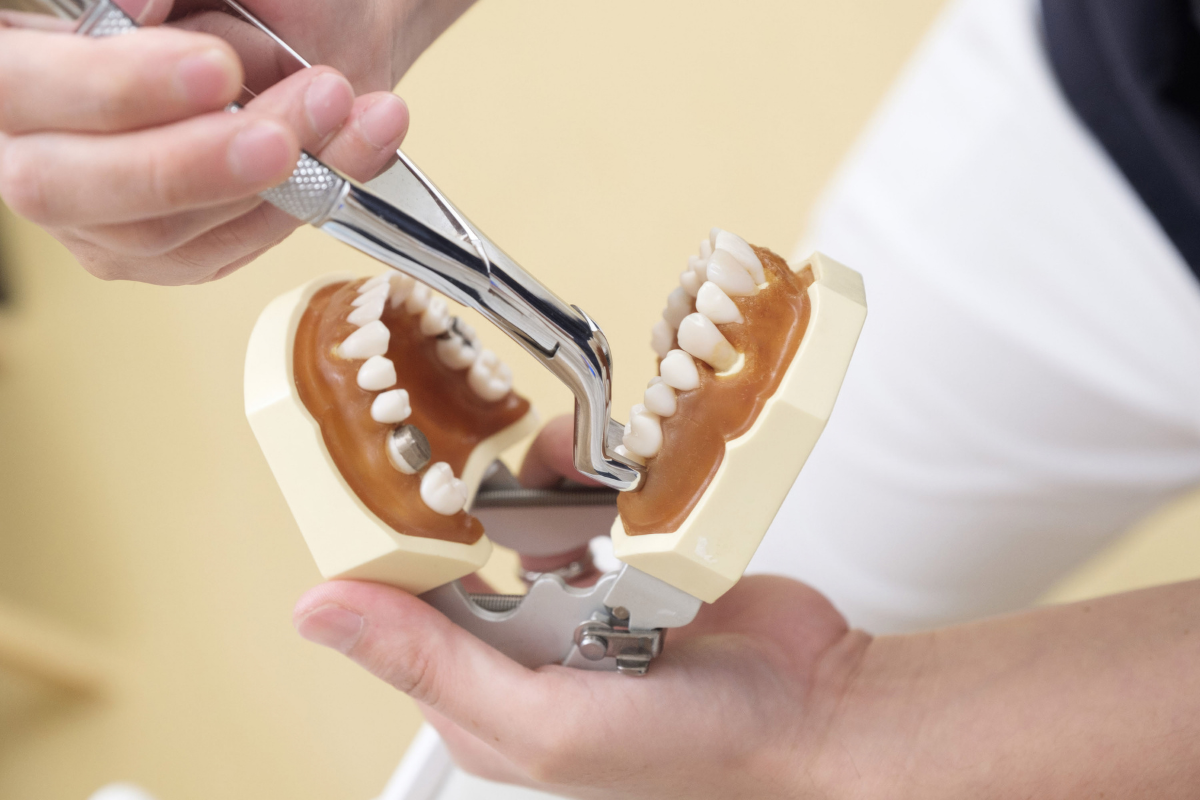
Gum disease can sneak up on you. One day your gums feel fine, and the next they are red, swollen, or bleeding when you brush. Many people wonder if pulling a bad tooth will fix the whole problem. It’s a fair question, and the answer is not as simple as yes or no.
This guide breaks down what gum disease really is, when tooth extraction can actually help, and what other steps your dentist may try first. By the end, you will know what to expect and how to protect your smile for years to come.
What Is Gum Disease and Why It Matters
Gum disease starts when plaque builds up along your gum line. If it is not cleaned off, it turns into tartar, which is much harder to remove. Over time, this buildup causes your gums to swell, pull away from your teeth, and even damage the bone that holds your teeth in place.
Early Stage: Gingivitis
Your gums may look puffy or bleed a bit when you brush. This stage is easy to reverse with better brushing, flossing, and a professional cleaning.
Advanced Stage: Periodontitis
At this point, the infection has spread deeper into the gum and bone. Teeth can loosen, shift, or even fall out if the disease is left untreated.
Can Pulling a Tooth Fix Gum Disease?
Here is the honest truth: removing one tooth will not cure gum disease on its own. Gum disease is an infection that affects your whole mouth, not just one spot. If your gums are infected, that infection can still be present even after a tooth is gone.
That said, extraction plays a real role in treatment when a tooth is too damaged to save. If a tooth has lost most of its bone support, keeping it in place can actually make things worse. Removing it stops the infection from spreading to nearby teeth and gum tissue.
When Tooth Extraction Helps Gum Disease
A dentist will only recommend pulling a tooth when there is a clear reason. Deep pockets of infection, teeth that wiggle when you touch them, or bone loss that cannot be reversed are common signs. Your dentist will check your x-rays and gum measurements before making this call.
Many patients search for tooth extraction in Corpus Christi because they are already dealing with pain or swelling that will not go away. Removing the damaged tooth often brings quick relief and stops the infection from reaching healthy teeth nearby. It is not a cure for gum disease, but it is a key part of getting your mouth back on track.
Signs You May Need a Tooth Extraction
- A tooth that feels loose or shifts when you bite down
- Gum tissue that has pulled far back from the tooth root
- Pain or swelling that keeps returning after treatment
- Bone loss around the tooth confirmed on an x-ray
If you notice any of these signs, get checked soon. A quick exam can tell you if the tooth can still be saved or if it has reached the point where removal is the safer choice.
What Happens After Extraction
Once a damaged tooth is removed, the real work of treating gum disease begins. Your dentist will likely clean the remaining teeth deeply, a process called scaling and root planing. This removes the bacteria and tartar hiding below the gum line.
Recovery Timeline
Gum tissue usually closes up within one to two weeks. Full bone healing underneath can take a few months, so your dentist will schedule follow up visits to check your progress.
Follow-Up Care
You may need antibiotics to fight off the infection, along with a plan for regular cleanings every three to four months while your gums recover.
Other Ways to Treat Gum Disease First
Extraction is often the last option, not the first. Many patients see real improvement with less invasive care.
- Deep cleanings paired with root planing
- Better brushing and flossing habits at home
- Prescription mouth rinses to control bacteria
- More frequent checkups, every three to four months
Only when a tooth cannot be saved, even after these steps, does tooth extraction in Corpus Christi become the right path forward.
Local Dental Care in Corpus Christi
Why a Local Dentist Matters
Our warm South Texas climate and love for sweet tea and Tex Mex food can make cavities and gum problems more common if oral care slips. A trusted corpus Christi dentist who tracks your health over time can spot changes early, long before a tooth needs to come out.
Flexible Care for Busy Schedules
Gum disease does not wait for a convenient time. A corpus Christi dentist who understands the pace of local life keeps appointment times flexible and tries to fit patients in quickly when pain shows up.
Frequently Asked Questions
1. How long does it take for gums to heal after a tooth is pulled?
Most people see the gum tissue close up within one to two weeks. Full healing of the bone underneath can take two to three months.
2. Does removing a tooth stop gum disease from spreading?
It can help stop infection at that specific spot, but the rest of your mouth still needs treatment like deep cleanings to control the disease overall.
3. Is tooth removal painful?
Your dentist will use numbing medicine so you should not feel pain during the process. Some soreness afterward is normal and can be managed with over the counter pain relief.
4. Can gum disease come back after a tooth is pulled?
Yes, if plaque and tartar are allowed to build up again. Regular cleanings and good brushing habits are key to keeping it away.
5. What foods should I avoid after having a tooth pulled?
Stick to soft foods like soup, yogurt, and mashed potatoes for the first few days. Avoid crunchy, hard, or sticky foods until your dentist gives the okay.
6. How do I know if I have gum disease?
Common signs include red or swollen gums, bleeding when you brush, bad breath that will not go away, and teeth that feel loose.
7. Will insurance cover the cost of gum disease treatment?
Many dental plans cover cleanings and some cover extractions too, though coverage can vary. It helps to check your plan details before your visit.
8. Can gum disease affect my overall health?
Studies have linked gum disease to heart problems and diabetes, so treating it early is good for more than just your smile.
Final Thoughts and Next Steps
Gum disease is a serious problem, but it is also very treatable when caught early. Pulling a tooth is sometimes part of the answer, though it works best alongside deep cleanings, good home care, and regular checkups. The goal is always to save your natural teeth whenever possible, and only remove one when it truly cannot be helped.
If you are dealing with sore, swollen gums or a tooth that just does not feel right, do not wait for things to get worse. Whether you need a routine cleaning, a full gum disease treatment plan, or a tooth extraction in Corpus Christi handled with care, our team is ready to help. Schedule an online consultation with Tide Dental Orthodontics today, and let’s get your smile back to feeling healthy again.
Recent Post
October 29, 2026
The Long-Term Benefits of Correcting Misaligned Teeth and Bite Problems

October 22, 2026
Creating a Practical Morning and Nighttime Oral Hygiene Routine

October 15, 2026
Tooth Pain When Chewing: Common Problems That May Be Hiding Beneath the Surface
October 12, 2026
Smoking During Dental Implant Treatment: How It Can Affect Healing and Long-Term Results
September 29, 2026