
Book Online
Is It Safe to Get Dental Implants? What a Patient Should Really Expect
July 24, 2026
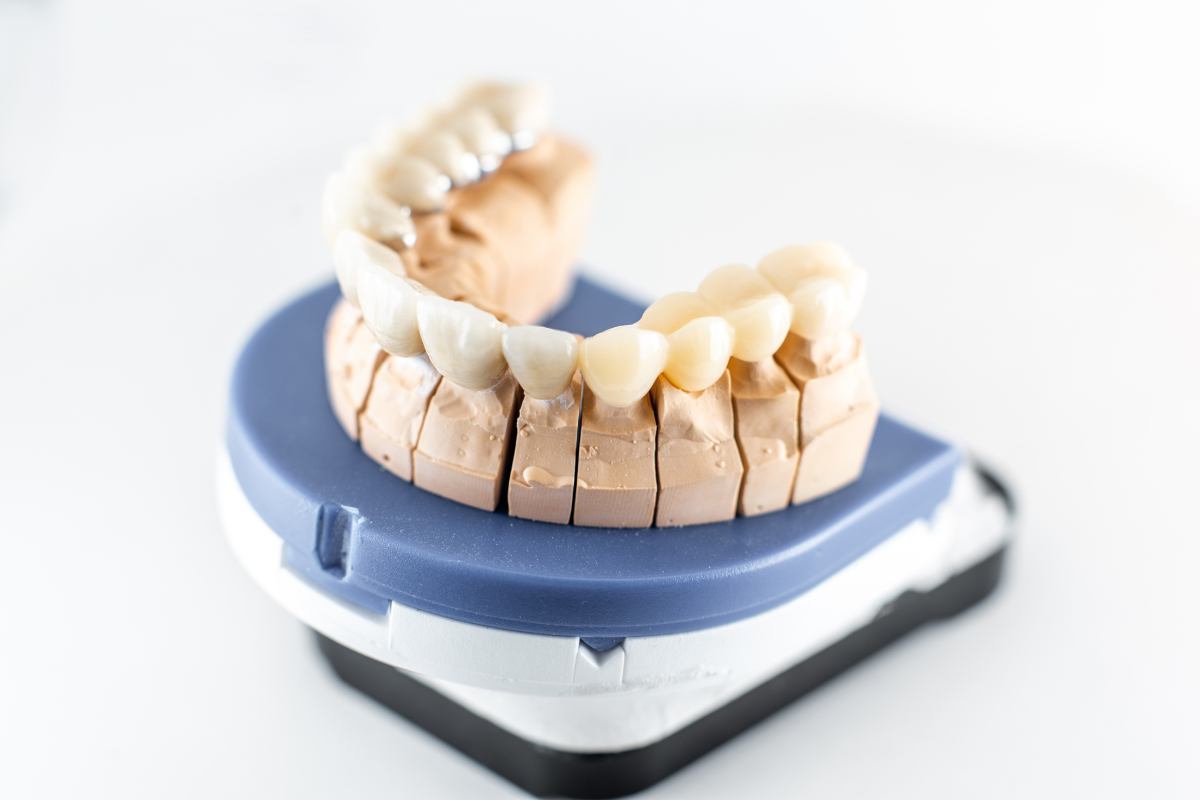
Missing a tooth changes more than your smile. It can shift how you chew, how you talk, and how confident you feel walking into a room. If you are weighing your options right now, you probably have one big question on your mind: is this actually safe? That question deserves a clear, honest answer, not a sales pitch.
This guide walks through what implant treatment involves, what the research says about safety, and what recovery honestly feels like. By the end, you should have a much clearer picture of whether this path fits your needs.
What Happens During Implant Treatment
A dental implant is a small titanium post placed into the jawbone. It acts as a new root for a replacement tooth. Once it fuses with the bone, a crown gets attached on top, and the result looks and functions like a natural tooth.
The process happens in stages. First, the dentist checks bone density and gum health with X-rays or a 3D scan. Then the post gets placed under local anesthesia. Healing takes a few months, since the bone needs time to grow around the post. After that, a custom crown is fitted to match your bite and smile. Patients searching for dental implants in Corpus Christi often ask how long the full process takes, and the honest answer is that it varies by person, bone health, and how many teeth need replacing.
Is It Actually Safe?
Yes, for most healthy adults, implants are considered a safe and well studied treatment. Titanium has been used in medical devices for decades because the body accepts it well and rarely reacts against it. Success rates for implants run high, often above 95 percent when placed by a trained provider and cared for properly afterward.
Like any dental or medical procedure, there are risks. Infection, gum irritation, or implant failure can happen, though these are uncommon. Your risk goes up if you smoke, have uncontrolled diabetes, or have low bone density that has not been addressed first. A good provider offering dental implants in Corpus Christi will screen for these factors before recommending treatment, not after.
The bigger safety factor is often the skill of the dentist and the quality of the planning behind the procedure. Rushed evaluations or skipped imaging raise the risk of problems. That is why choosing a provider who takes time to assess your mouth carefully matters more than almost anything else in this decision.
Who Makes a Good Candidate
Most adults with good general health and enough jawbone to support the implant are good candidates. Gum disease needs to be treated first, since healthy gums are needed for the implant to bond properly. Bone loss from missing teeth for a long time can sometimes be corrected with a bone graft before the implant goes in.
Age alone is not usually a barrier. Many people in their 60s, 70s, and even 80s get implants successfully. What matters more is whether your body can heal well and whether any existing health conditions are under control. A thorough consultation, including a scan of your jaw, is the only real way to know for sure.
What Recovery Really Feels Like
Recovery is usually milder than people expect. Most patients report swelling and soreness for two to three days after the post is placed, similar to a tooth extraction. Over the counter pain relief and soft foods typically manage this fine.
Full bone healing takes longer, often three to six months, but this part is not usually painful. You go about daily life as normal during this stage. The final crown placement is quick, with no real downtime after. Many patients say the hardest part was the waiting, not the procedure.
Common Concerns Patients Bring to Us
A few worries come up again and again. Some people fear the placement will hurt. In reality, local anesthesia keeps you numb during the procedure, and most patients feel pressure rather than pain. Others worry about cost, since implants are a bigger investment than a bridge or denture. It helps to remember implants often last decades with good care, which can make them more cost effective over time.
There is also a myth that implants need special upkeep forever. They do not. Brushing, flossing, and regular checkups are all that is needed. Anyone considering dental implants in Corpus Christi should also ask about financing, since many practices offer payment plans.
Benefits and Risks at a Glance
Every treatment has an upside and a downside, and implants are no different. Here is a straightforward look at both sides before you decide.
| Benefits | Risks |
| Looks and feels natural | Small chance of infection |
| Can last 20+ years with care | Possible failure if bone does not fuse |
| Keeps nearby teeth in place | Healing takes several months |
| Helps prevent jaw bone loss | Higher upfront cost |
| No special products needed | Less ideal for smokers, unmanaged diabetes |
| Resists cavities | Rare nerve or sinus issues |
So which side wins out? For most healthy adults, the benefits outweigh the risks by a wide margin. Serious complications are uncommon, and many of the risks above can be lowered simply by choosing an experienced provider and following aftercare instructions closely. Implants are generally seen as one of the safer, more predictable options in modern dentistry, though no dental procedure is completely without risk.
What Local Patients Should Know
Corpus Christi has a warm, humid climate for most of the year, and that has an odd but real connection to oral health. Higher humidity and heat can affect hydration habits, and dehydration can dry out the mouth, which raises the risk of gum irritation during healing. Drinking enough water after your procedure is a small step that supports better healing here.
Local food culture matters too. Gulf Coast favorites like grilled seafood, tortillas, and Tex-Mex dishes are usually fine once your implant has fully healed, but softer versions of these meals are smart during the first few weeks of recovery. A dentist in Corpus Christi familiar with these everyday habits can give recovery advice that actually fits how you eat and live, not generic instructions copied from a textbook.
If you already have a trusted dentist in Corpus Christi, ask them directly about their implant experience and how many cases they handle each year. Experience with this specific procedure makes a real difference in outcomes.
Frequently Asked Questions
1. How long does an implant last?
With good oral hygiene and regular dental visits, implants can last 20 years or longer. Many last a lifetime.
2. Does the procedure hurt?
The placement itself is done under numbing medication, so patients feel pressure, not pain. Mild soreness afterward is normal and manageable.
3. Can I get an implant if I have bone loss?
Often yes, with a bone graft done first to build up enough support. Your provider will confirm this with imaging.
4. What is the difference between an implant and a bridge?
An implant replaces the tooth root and stands on its own. A bridge relies on neighboring teeth for support, which can wear them down over time.
5. Will my insurance cover the cost?
Coverage varies widely by plan. Some insurers cover part of the cost, especially if the tooth loss was due to injury or disease. It helps to check directly with your provider.
6. How do I care for an implant after healing?
Brush twice a day, floss daily, and keep up with regular cleanings. No special products are usually needed.
7. Am I too old to get one?
Age by itself is rarely a disqualifying factor. Overall health and bone quality matter far more than the number on your birth certificate.
8. Can smokers get dental implants?
Smoking raises the risk of failure and slows healing, but many smokers still qualify after a careful evaluation and some lifestyle adjustments.
Making Your Decision
Choosing to move forward with a tooth replacement is a personal decision, and it should never feel rushed. The safety data on implants is strong, the recovery is usually manageable, and the long term benefits for chewing, speech, and confidence are well documented. What matters most is finding a provider who takes the time to plan carefully and explain each step clearly.
If you are ready to explore whether dental implants in Corpus Christi are the right fit for your smile, the team at Tide Dental Orthodontics is here to help you weigh every option honestly. We encourage you to book an online appointment with Tide Dental Orthodontics today, so you can get real answers based on your own mouth and health history, not guesswork.
Recent Post
November 15, 2026
What Happens If I Don’t Finish My Orthodontic Treatment?
November 13, 2026
What Are My Options If I’m Missing Back Teeth?
November 10, 2026
Is Your Child Ready for Braces? Signs Orthodontists Look For Early
November 10, 2026
Stop Gum Disease Before It Starts: Why Cleanings Matter Most
October 29, 2026