
Book Online
Tooth Proportions and Symmetry in Cosmetic Smile Design
June 12, 2026
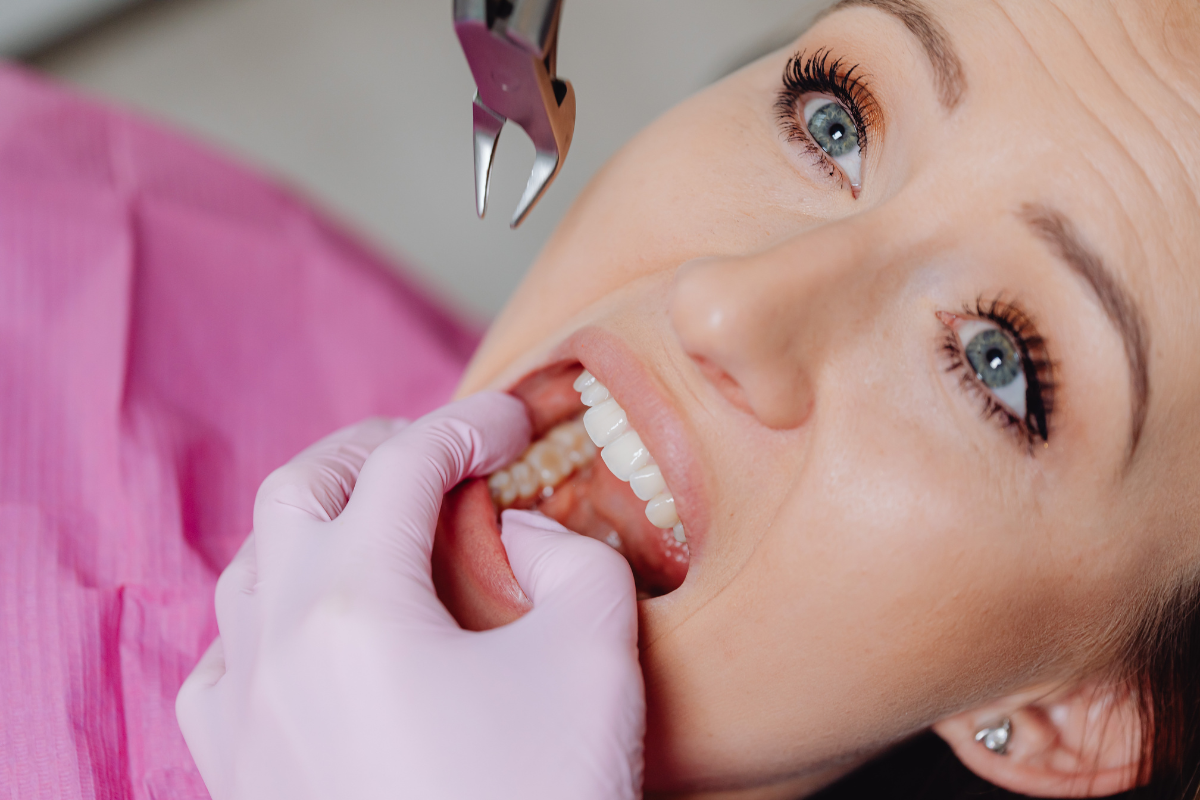
A smile is often the first thing people notice. Whether you are meeting someone new or walking into a job interview, your smile speaks before you do. But what makes a smile truly beautiful? The answer often comes down to two things: tooth proportions and symmetry.
This guide breaks down the science and art behind a well-designed smile, and how modern cosmetic dentistry can help you achieve one.
What Are Tooth Proportions?
Tooth proportions refer to the size relationship between your teeth, mainly the width and height of each tooth. Dentists use specific ratios to determine what looks natural and balanced.
The most widely used standard is called the “golden proportion.” This principle suggests that each tooth, when viewed from the front, should be about 60% as wide as it is tall. The central incisors (your two front teeth) are typically the most prominent, and every tooth moving outward should appear slightly smaller in proportion.
When these ratios are off, even slightly, a smile can look uneven or forced. Correcting them is one of the main goals of cosmetic smile design.
Why Symmetry Matters in Smile Design
Symmetry does not mean your smile needs to be perfectly identical on both sides. In fact, no face is perfectly symmetrical. However, there is a level of balance that the human eye naturally finds pleasing.
In smile design, symmetry covers:
- The midline (the center line between your two front teeth should ideally align with the center of your face)
- Tooth length (teeth on the left and right should be close in height)
- Gum levels (the gum line should be even across your smile)
- Color and texture (teeth should look consistent from one side to the other)
When these elements are balanced, the result is a smile that looks natural and healthy, not artificial.
Common Proportion and Symmetry Problems
Many people have minor proportion or symmetry issues without even realizing it. Some of the most common ones include:
Worn-down teeth
Over time, grinding or acid erosion can shorten teeth and throw off their proportions.
Uneven gum lines
Sometimes gums cover too much of a tooth or recede unevenly, making teeth look different sizes.
Chipped or broken teeth
Even a small chip can change the visual balance of a smile.
Gaps and spacing
Extra space between teeth can disrupt the flow of the smile.
Crooked teeth
Misaligned teeth affect both proportion and symmetry at the same time.
If you live in the Corpus Christi area and notice any of these issues, visiting a cosmetic dentist Corpus Christi patients trust can give you a clear picture of your options.
How Cosmetic Dentistry Fixes These Issues
Modern cosmetic dentistry has several tools to reshape and rebalance a smile. Here is a look at the most common treatments:
Dental Veneers
Veneers are thin shells placed over the front surface of teeth. They can change the shape, size, and color of a tooth in one step. They are one of the most effective ways to correct proportion and symmetry issues at the same time.
Dental Bonding
Bonding uses a tooth-colored resin to build up or reshape a tooth. It is less invasive than veneers and works well for small chips, gaps, or minor asymmetry.
Gum Contouring
Also called a gum lift, this procedure reshapes the gum line to expose more or less of the tooth surface. It directly addresses uneven gum levels that affect visual symmetry.
Orthodontics
Braces or clear aligners can straighten teeth and close gaps, improving both alignment and overall smile balance over time.
Crowns
For teeth that are severely damaged or poorly shaped, crowns cover the entire tooth and restore its appearance and function.
A skilled dentist Corpus Christi residents rely on will assess your specific situation and recommend a combination of these treatments based on your facial structure and smile goals.
The Role of Digital Smile Design
Technology has changed how dentists plan cosmetic work. Digital Smile Design (DSD) is a process where the dentist uses photos and digital software to map out your smile before any treatment begins.
This allows you to see a preview of your results, make adjustments, and feel confident about the plan before anything is done to your teeth. It also helps the dentist communicate with dental labs to ensure the final restorations match the digital plan closely.
Tide Dental Orthodontics uses this kind of careful planning approach to make sure every treatment aligns with each patient’s unique facial features.
What to Expect During a Smile Design Consultation
A smile design consultation is not just about picking a tooth shade from a color chart. It involves a full evaluation of:
- Your current tooth shape, size, and condition
- Your bite and jaw alignment
- Your gum health
- Your facial proportions, including lip line and cheek support
- Your personal goals and lifestyle
The dentist will take photos, possibly X-rays, and may use digital tools to map your smile. From there, a custom treatment plan is created.
This thorough process is what separates a truly well-designed smile from a generic one.
Local Considerations for Smile Design
Corpus Christi has a warm, coastal climate and a lifestyle that keeps people outdoors, social, and active. Smiles here get used a lot, whether at community events, local seafood restaurants along the bay, or family gatherings during the city’s many festivals.
Because of the region’s high humidity and diet patterns, dental erosion and discoloration can be more common. Drinking acidic beverages, especially in the heat, affects enamel over time. A cosmetic dentist Corpus Christi locals visit regularly can help manage these issues before they affect the shape or symmetry of your smile.
There are several dental practices across the Corpus Christi metro area, from Calallen and Portland to Flour Bluff and the Southside. Having multiple options is helpful, but not all clinics offer the same level of cosmetic planning or technology.
Tide Dental Orthodontics focuses specifically on combining orthodontic expertise with cosmetic smile design, so patients get a complete picture of their smile health in one place. This is especially useful for patients who need both alignment work and cosmetic refinement.
Small Details That Make a Big Difference
Cosmetic smile design is not just about dramatic transformations. Sometimes the smallest changes make the biggest difference. A slight adjustment to a tooth’s edge, a small amount of bonding to fill a gap, or a minor gum reshaping can shift a smile from “fine” to genuinely confident.
If you have been thinking about improving your smile but assume the process is complicated or only for people with major dental issues, think again. Many patients start with a single consultation and are surprised by how simple the first step is.
Corpus Christi families have trusted for their cosmetic and orthodontic needs, Tide Dental Orthodontics welcomes patients at all stages of their smile journey.
Frequently Asked Questions
1. What is the difference between cosmetic dentistry and general dentistry?
General dentistry focuses on oral health, including cleanings, fillings, and preventing disease. Cosmetic dentistry focuses on how your smile looks. Many dentists offer both, but cosmetic procedures require extra training and aesthetic skill.
2. Does cosmetic smile design hurt?
Most cosmetic procedures involve little to no discomfort. Procedures like bonding or gum contouring are done with local anesthesia. Veneers require minimal tooth reshaping, and the process is generally comfortable.
3. How long do cosmetic dental results last?
It depends on the treatment. Veneers can last 10 to 15 years or more with proper care. Bonding may need touch-ups every 5 to 7 years. Good oral hygiene and regular checkups extend the life of any cosmetic work.
4. Can orthodontic treatment be combined with cosmetic procedures?
Yes. In many cases, straightening teeth first makes cosmetic work more effective. A dentist who offers both services can plan your treatment in stages.
5. Is cosmetic dentistry covered by insurance?
Most cosmetic procedures are not covered by standard dental insurance since they are considered elective. However, some treatments, like crowns, may be partially covered if they serve a functional purpose. It is best to check with your provider.
6. How do I know if my smile needs proportional correction?
A cosmetic dental consultation will reveal this. Photos, measurements, and digital tools help dentists identify imbalances you may not notice on your own.
7. What age is appropriate for cosmetic smile design?
Adults of any age can benefit. For teens, it depends on whether their teeth and jaws are fully developed. Some early cosmetic work, like bonding, is suitable for younger patients with specific needs.
8. How many visits does a smile design treatment take?
Simple treatments like bonding may take one visit. More involved cases, including veneers or combined orthodontic and cosmetic work, may take several visits over weeks or months.
Conclusion
A balanced, proportionate smile is not out of reach. With the right knowledge and the right dental team, improving your smile is a straightforward process, not an overwhelming one.
Tooth proportions and symmetry are the foundation of a natural-looking smile. Understanding these principles helps you have better conversations with your dentist and make more informed choices about your care.
For anyone searching for a trusted dentist Corpus Christi has a range of options, but finding one that combines cosmetic expertise with orthodontic care makes all the difference. If you are ready to explore what is possible, schedule a consultation with Tide Dental Orthodontics and take the first step toward a smile that truly reflects you.
Recent Post
June 12, 2026
Tooth Proportions and Symmetry in Cosmetic Smile Design
June 5, 2026
Dental Implants and Cosmetic Dentistry: Creating Natural-Looking Smiles

May 29, 2026
The Do’s and Don’ts of Routine Dental Care for All Ages
May 22, 2026
How Dentists Detect Early Signs of Serious Health Conditions

May 15, 2026