
Book Online
Maintain Your Dental Implants: A Step-by-Step Guide
January 6, 2025
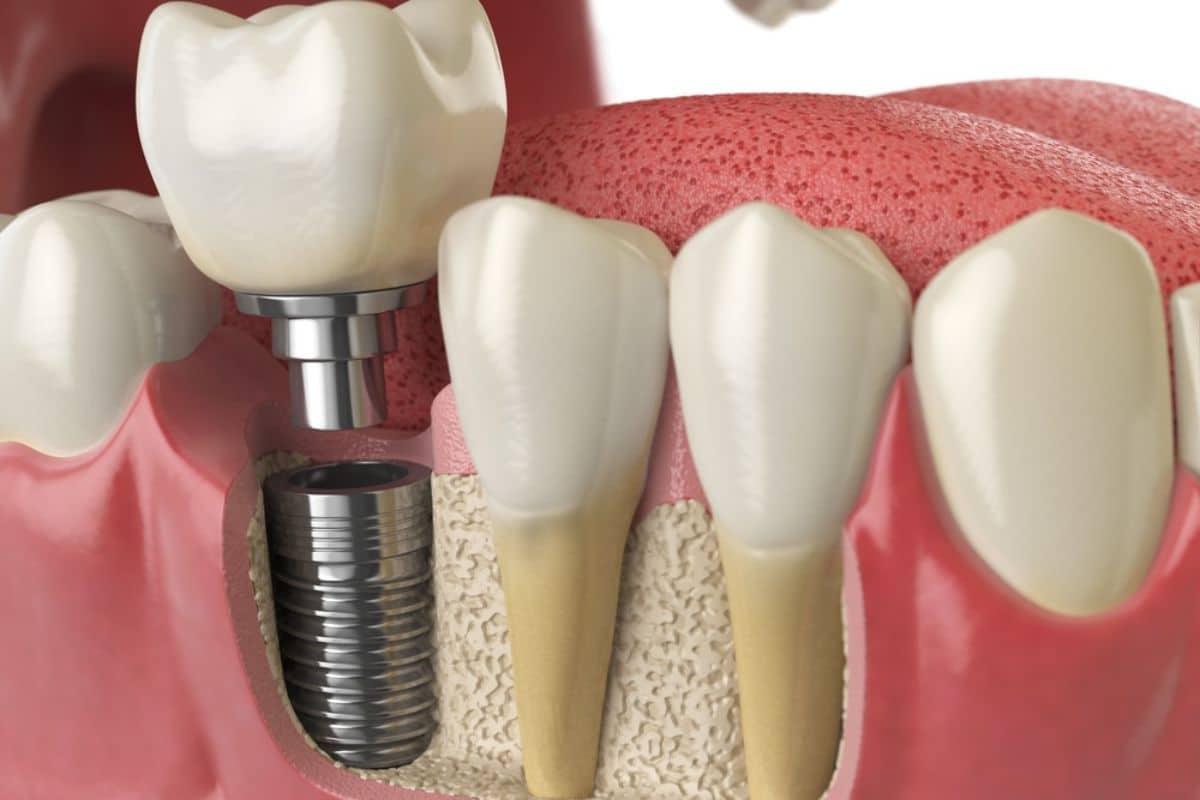
Dental implants are a transformative solution for restoring oral health and function. However, to guarantee longevity and peak performance, proper maintenance is essential. Whether you’re in Corpus Christi, TX, or elsewhere, this guide provides an authoritative, step-by-step approach to preserving the health of your investment.
Understanding Why Implant Maintenance Matters
Dental implants integrate with the jawbone through osseointegration, mimicking natural roots. Improper care can lead to peri-implantitis, an infection that compromises both stability and surrounding tissues. Maintaining a consistent oral hygiene routine is essential for safeguarding the success of your restoration.
Step 1: Master the Basics of Oral Hygiene
Effective oral hygiene minimizes bacterial accumulation and prevents inflammation around the fixture. You should incorporate the following into your daily routine:
- Soft-Bristle Brushes: Opt for brushes labeled “implant-safe” to clean around the crown and abutment without scratching surfaces.
- Non-Abrasive Toothpaste: Use products free of gritty components to protect the prosthetic’s polished finish.
- Interdental Brushes: These tools reach beneath fixed bridges and other hard-to-access areas for complete debris removal.
Replace brushes every three months or as soon as bristles appear frayed.
Step 2: Floss Strategically
Dental floss is non-negotiable for keeping gaps between restorations and adjacent gum tissue clean. Opt for implant-specific floss designed for delicate contact surfaces. Slide floss gently below the gumline to remove plaque while avoiding excessive force. If you find traditional floss challenging, consider water irrigators as an effective alternative.
Step 3: Use an Antibacterial Rinse
Antimicrobial mouthwashes act as a secondary defense against bacterial buildup. Look for ADA-approved rinses with chlorhexidine or essential oils. Avoid overuse, as some products may cause discoloration or irritation if used excessively. Rinse daily for optimal implant health.
Step 4: Schedule Routine Professional Cleanings
Regular visits to your dentist in Corpus Christi, TX, are essential for maintaining implant integrity. During these appointments, specialized tools—like plastic scalers—are used to clean without damaging the structure. Aim for periodical cleanings or more frequent visits if recommended.
Step 5: Monitor Your Diet
Diet plays a significant role in preserving the condition of your restorations. Follow these dietary guidelines:
- Limit Sugary Foods: Excess sugar promotes plaque formation and gum inflammation.
- Avoid Hard Substances: Chewing ice or hard candy can damage porcelain crowns and loosen connections.
- Incorporate Calcium-Rich Foods: Dairy products and leafy greens strengthen bone density, supporting long-term implant stability.
Drinking plenty of water also helps neutralize acids and rinse away food particles.
Step 6: Protect Against Bruxism
Teeth grinding (bruxism) exerts undue pressure on restorations, potentially causing fractures or loosening. If you suspect nighttime grinding, consult your provider about custom mouthguards. These appliances absorb stress and extend the life of your restoration.
Step 7: Be Alert to Warning Signs
Early detection of problems ensures timely intervention. Watch for symptoms like:
- Discomfort, redness, or swelling close to the implant site.
- Difficulty chewing or discomfort when biting down.
- Unusual mobility of the prosthetic components.
Contact your dental specialist in Corpus Christi, TX, promptly if you notice any of these issues.
Advanced Care Options for Long-Term Success
Beyond at-home care, advanced solutions can further safeguard implant functionality:
- Laser Therapy: Used to treat early stages of peri-implantitis non-invasively.
- Bite Adjustments: Ensuring proper alignment reduces strain on your restoration over time.
- Fluoride Treatments: Although primarily for natural teeth, fluoride can strengthen nearby enamel and prevent decay.
Discuss these options with your clinician to determine the best strategies for your unique needs.
Proper maintenance extends the lifespan of your restoration and minimizes the risk of complications like peri-implantitis. This comprehensive guide ensures that your prosthetic remains functional, natural-looking, and comfortable for years.
By incorporating consistent hygiene, dietary mindfulness, and regular professional care, you’ll enjoy the benefits of your investment for a lifetime.
Recent Post
June 12, 2026
Tooth Proportions and Symmetry in Cosmetic Smile Design
June 5, 2026
Dental Implants and Cosmetic Dentistry: Creating Natural-Looking Smiles

May 29, 2026
The Do’s and Don’ts of Routine Dental Care for All Ages
May 22, 2026
How Dentists Detect Early Signs of Serious Health Conditions

May 15, 2026