
Book Online
Maintaining Better Oral Health During Orthodontic Treatment
November 1, 2023
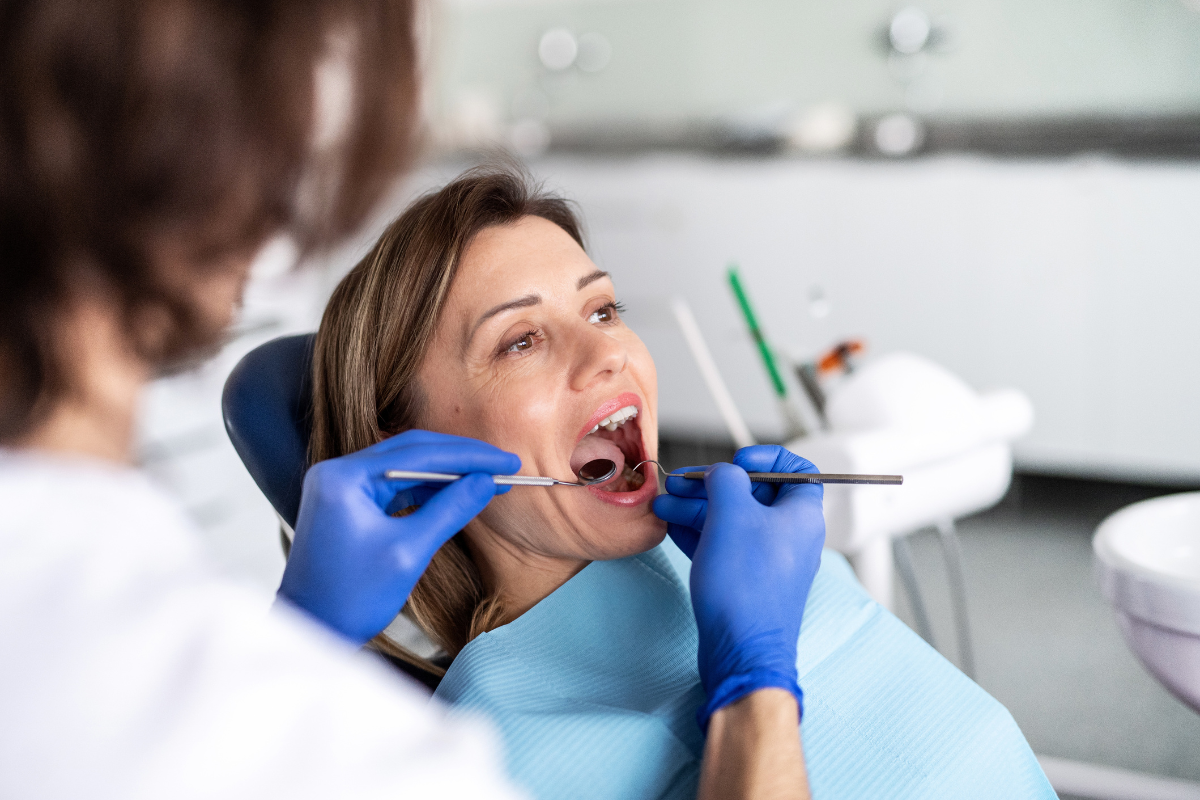
Braces and clear aligners do amazing work straightening teeth, but they also create new spots for plaque and food to hide. If you or your child just started treatment, or you are weighing your options, knowing how to protect your teeth along the way matters just as much as the treatment plan itself. Anyone starting orthodontic treatment in corpus christi should walk in with a clear plan for daily care, not just a schedule of adjustment visits.
At Tide Dental Orthodontics & Dental Implants, we see patients through every stage of their orthodontic journey. This guide covers what actually works to keep your mouth healthy while your smile straightens out.
Why Oral Care Gets Harder With Braces or Aligners
Metal brackets, wires, and elastic bands give plaque more places to collect. Food particles get trapped around brackets and under wires, and if they sit there too long, they turn into the sticky film that leads to cavities and gum irritation. Clear aligners come with a different challenge. They trap sugar and acid against your teeth for hours if you eat or drink anything besides water while wearing them.
Neither problem is hard to solve. Both just require a bit more attention than you gave your teeth before treatment started. Patients who build good habits early tend to finish their orthodontic treatment in corpus christi with healthier gums and fewer surprises at each checkup.
Building a Brushing and Flossing Routine That Actually Works
Standard brushing and flossing habits need an upgrade once brackets or aligner trays enter the picture.
Brushing With Braces
Use a soft-bristled brush and hold it at an angle, aiming both above and below each bracket to catch the areas a straight-on brush stroke misses. An electric toothbrush with a small head often reaches these spots more easily than a manual one. Brush after every meal if you can, since food debris around brackets sits close to the gum line and irritates it quickly.
Flossing Around Wires
A floss threader or orthodontic floss pick lets you guide floss under the main wire so you can clean between each tooth. This step takes longer than normal flossing, but skipping it lets plaque build up in spots your brush cannot reach. Water flossers are another solid option and many patients find them faster once they get used to the angle.
Caring for Aligners
Aligner trays need their own care. Rinse them every time you take them out, and give them a gentle brush with a soft toothbrush and lukewarm water once a day. Never use hot water, since it can warp the plastic. Brush and floss your teeth before putting trays back in so you are not trapping food particles against your enamel for hours.
The Right Tools Make a Real Difference
A few extra products can save a lot of frustration during treatment.
| Tool | Best For | Why It Helps |
| Interdental brush | Cleaning around brackets | Reaches tight gaps a regular brush misses |
| Water flosser | Braces or aligners | Flushes out debris quickly with less effort |
| Fluoride rinse | Cavity prevention | Strengthens enamel weakened by trapped plaque |
| Orthodontic wax | Wire or bracket irritation | Protects cheeks and lips from rubbing |
| Floss threader | Traditional braces | Guides floss safely under the archwire |
Keep a small travel kit with a spare toothbrush, floss threaders, and wax in your bag or car. Having these on hand makes it much easier to stick with good habits when you are away from home.
Foods to Enjoy and Foods to Skip
Diet choices can make or break your comfort level and your progress during treatment.
Better choices during treatment:
- Soft fruits like bananas and berries
- Cooked vegetables instead of raw, crunchy ones
- Pasta, rice, and soft bread
- Yogurt, smoothies, and soups
- Eggs and tender cuts of meat
Foods that cause trouble:
- Sticky candy like caramel or taffy, which pulls at brackets
- Hard foods like nuts, ice, and popcorn kernels
- Corn on the cob and whole apples (cut them into small pieces instead)
- Chewy bread crusts and bagels
- Sugary sodas, which feed the bacteria trapped near brackets
A little planning around meals goes a long way. Cutting firm foods into smaller pieces and chewing with your back teeth reduces the strain on brackets and wires.
Handling Common Orthodontic Discomfort
Soreness after an adjustment is normal and usually fades within a few days. Rinsing with warm salt water helps calm irritated gum tissue, and over-the-counter pain relief can ease soreness after a tightening visit. Orthodontic wax placed over a bracket that rubs against your cheek stops irritation before it turns into a sore.
If a wire snaps or a bracket comes loose, do not try to fix it yourself. Cover any sharp edge with wax and call your dental team so they can make the repair properly. Waiting too long on a loose bracket can shift your treatment timeline.
A small amount of general soreness is expected, but there is a difference between normal adjustment discomfort and a sign of a bigger problem. Sharp pain in a single tooth, swelling that spreads beyond the gum line, or a bad taste that will not go away are all reasons to call your dental office rather than wait it out. Most patients only need these calls a handful of times across an entire treatment plan, and catching a problem early keeps small issues from turning into bigger ones.
Staying on Track With Regular Checkups
Orthodontic adjustments and dental cleanings serve different purposes, and both matter during treatment. Your orthodontic visits track how your teeth are moving, while a separate dental cleaning every six months removes buildup that a toothbrush cannot fully clear on its own. Skipping cleanings during treatment is one of the more common reasons patients develop cavities or gum problems right as their braces come off.
A trusted corpus christi dentist will coordinate these visits so nothing falls through the cracks, keeping your teeth and gums healthy while your bite and alignment improve at the same time.
Many patients ask how often they truly need both types of appointments. As a general rule, orthodontic adjustments happen every four to eight weeks depending on your treatment plan, while dental cleanings stay on a six-month schedule regardless of where you are in your orthodontic treatment in corpus christi journey. Keeping both on the calendar, rather than letting one slide because the other feels like enough, protects your progress from both angles.
Know Our Dentists
The team guiding your treatment plays a direct role in how smooth your experience feels from start to finish.
Dr. Joel Khoo earned his Bachelor of Dental Surgery from the National University of Singapore and completed a Master of Science in Prosthodontics at the University of Iowa. His specialty training gives him a detailed understanding of how teeth, bite, and gum health work together, which supports patients moving through orthodontic care and any restorative work at the same time. He lives locally with his family and takes a patient, reassuring approach with anyone nervous about dental visits.
Dr. ReAnn Boss spent years building experience in general dentistry through military service, private practice, pediatric care, and teaching before returning to school for her Certificate in Orthodontics and a Master’s in Health Administration. A Texas native, she brings hands-on orthodontic training directly to patients working through braces or aligner treatment, and understands the day-to-day questions patients have about wires, discomfort, and diet.
Dr. Tina Huynh grew up in Corpus Christi and completed her Doctor of Dental Medicine (DMD) degree at Roseman University of Health Sciences in Utah after undergraduate studies at Texas A&M and a master’s degree from the University of Texas at San Antonio. As a general dentist, she focuses on keeping every visit comfortable, which matters for orthodontic patients who need consistent cleanings alongside their adjustment appointments.
This team works together so patients get coordinated care instead of juggling separate providers for orthodontics and general dental health.
Our Patients Review
Reviews from real patients tell the story better than any marketing copy can.
“I have been with tide dental for some years & it never fails that I leave completely satisfied & taken care of. It is a clean, welcoming facility. Dr Khoo is hands down one of the best dentist in the city! Very thorough, upfront & perfectly explains the course of treatment. The office staff is very welcoming & all the times I come it’s rare I see someone new, which is a huge plus to know turnover rate there is minimal unlike other dentists I have visited. Will continue to always chose tide dental!”
★★★★★ — (katrinaepps2002)
Feedback like this reflects how our team treats oral health and orthodontic progress as one connected process, not two separate appointments running side by side.
Frequently Asked Questions
1. How often should I brush my teeth while wearing braces?
Brushing after every meal is ideal, though at minimum, brush twice a day with extra attention around each bracket.
2. Can I still get cavities with clear aligners?
Yes. Cavities can form if food or sugary drinks sit against your teeth under the tray, which is why removing aligners before eating matters.
3. Is it normal for gums to bleed a little during orthodontic treatment?
Some bleeding when flossing around new hardware is common at first, but ongoing bleeding usually signals plaque buildup that needs attention.
4. How long does soreness last after an adjustment?
Most discomfort fades within two to four days and responds well to warm salt water rinses and over-the-counter pain relief.
5. Do I still need regular dental cleanings while in orthodontic treatment?
Yes. Cleanings every six months remove buildup that daily brushing and flossing cannot fully clear, especially around brackets and wires.
6. What should I do if a bracket breaks or a wire pokes my cheek?
Cover the area with orthodontic wax right away and contact your dental office for a repair rather than trying to fix it at home.
7. Can poor oral hygiene during treatment affect my final results?
Yes. Gum inflammation and cavities can slow progress or even require pausing treatment until the issue clears up.
8. Are electric toothbrushes better than manual ones during treatment?
Many patients find electric brushes easier to use around brackets, though a manual brush works well too if used carefully and consistently.
Ready to Protect Your Smile Through Treatment?
Good habits during orthodontic treatment protect the results you are working toward. Brushing carefully, flossing around wires or cleaning aligners daily, choosing softer foods, and keeping up with regular cleanings all add up to a healthier mouth once your treatment wraps up. Families across our community trust our team for coordinated orthodontic treatment in corpus christi paired with the general dental care needed to protect every smile along the way.
If you have questions about caring for braces or aligners, or you are ready to start treatment, our team at Tide Dental Orthodontics & Dental Implants is here to help. As your local Corpus Christi dentist, we build a care plan around your specific needs from day one.
Book your appointment online or learn more about our orthodontic services to see how we support your smile from start to finish.
Recent Post
October 29, 2026
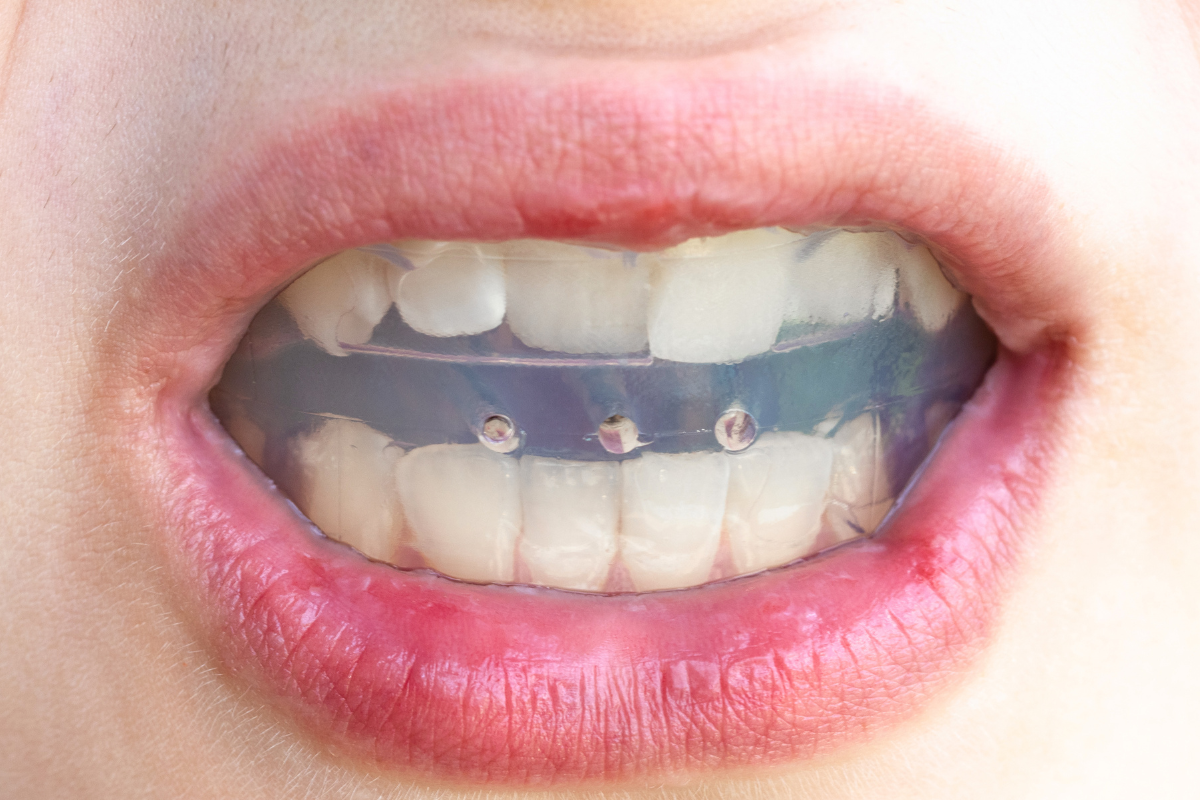
The Long-Term Benefits of Correcting Misaligned Teeth and Bite Problems
October 22, 2026
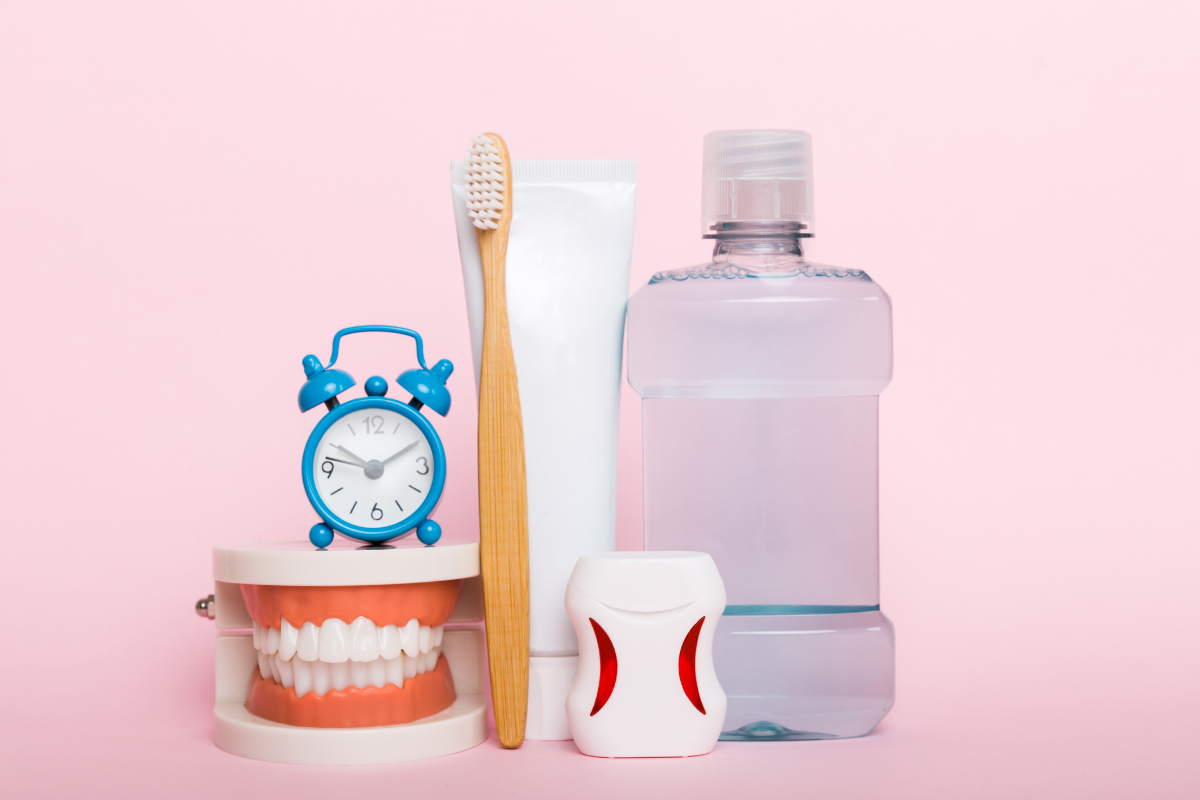
Creating a Practical Morning and Nighttime Oral Hygiene Routine

October 15, 2026
Tooth Pain When Chewing: Common Problems That May Be Hiding Beneath the Surface
October 12, 2026
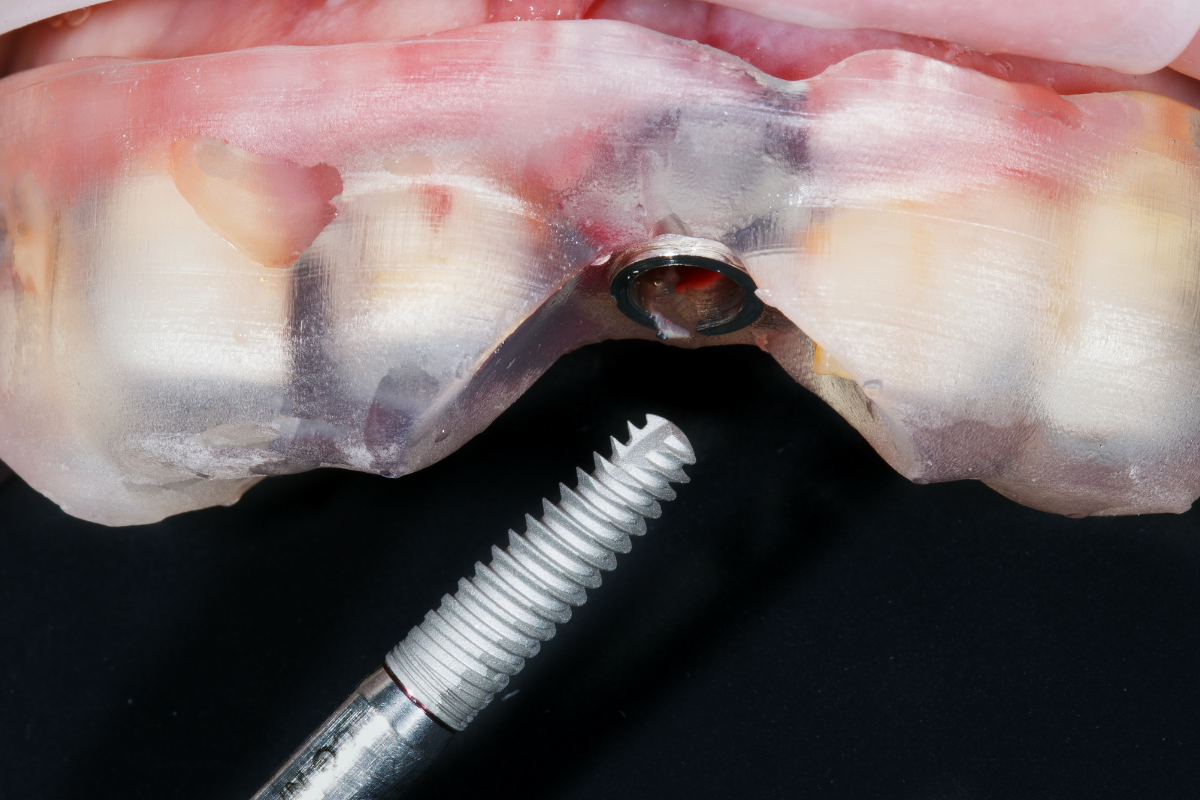
Smoking During Dental Implant Treatment: How It Can Affect Healing and Long-Term Results
September 29, 2026