
Book Online
Modern Dental Implant Technology: What Patients Should Know Before Treatment
October 9, 2023
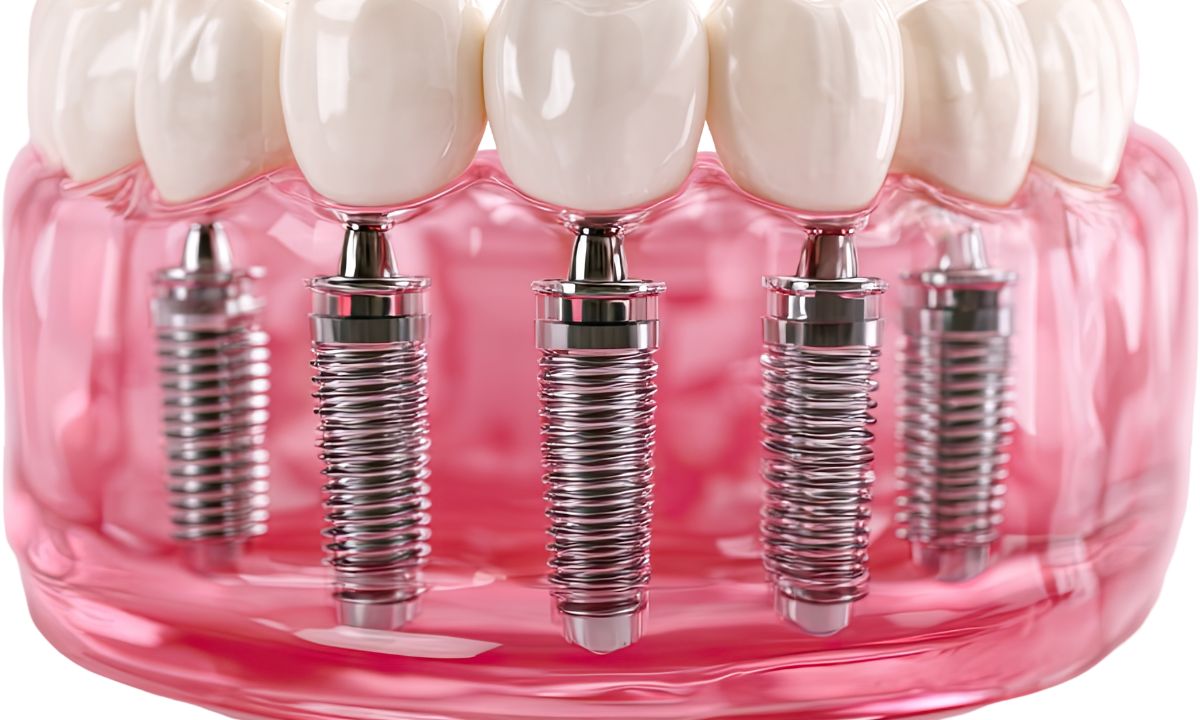
Losing a tooth changes more than your smile. It changes how you chew, how you speak, and how confident you feel when you laugh in a photo. Dental implant technology has come a long way in the past several years, and today’s tools are faster, more precise, and more comfortable than what patients dealt with even a decade ago. If you are researching nearby dental implants corpus christi treatments, it helps to know what has changed and what to expect before you sit in the chair. This guide walks you through the modern methods, the treatment steps, and the questions worth asking your dental team.
Why Implant Technology Keeps Getting Better
Dentistry has moved away from guesswork. Old-school implant planning relied on flat X-rays and a dentist’s best estimate of bone shape. Today, digital tools give a full 3D picture of your jaw before a single cut is made. This shift means fewer surprises during surgery and a treatment plan built around your exact mouth, not a general average.
Materials have improved too. Titanium implants have been used safely for decades, and newer zirconia options give patients another strong, tooth-colored choice. Crowns are now designed on a computer screen and milled to fit with a level of precision that was hard to match by hand.
3D Imaging Changes How Implants Are Planned
Cone beam CT scanning, often called CBCT, gives your dentist a full 3D view of your jawbone, nerves, and sinuses. This scan shows exactly how much bone you have and where it is safe to place an implant. Your dentist can then use that scan to build a guide that fits over your teeth during surgery, so the implant goes in at the planned angle and depth every time. For patients, this means shorter appointments and a lower chance of complications.
Faster Healing and Same-Day Options
A traditional implant plan asks patients to wait several months between placing the implant and getting the final tooth. Some patients now qualify for immediate-load implants, where a temporary tooth is attached the same day as surgery. This is not right for every case. Bone strength, bite pressure, and overall health all play a part in whether same-day loading makes sense. Your dentist will tell you honestly if you are a candidate, because rushing the wrong case can put the implant at risk.
Comparing Your Tooth Replacement Options
Implants are not the only way to replace a missing tooth. Bridges and dentures are still used, and each option fits different needs. Here is a simple side-by-side look.
| Feature | Dental Implants | Fixed Bridge | Removable Denture |
| Supports jawbone | Yes, prevents bone loss | No | No |
| Typical lifespan | Can last a lifetime with care | Around 10-15 years | 5-10 years, needs adjusting |
| Feels like natural teeth | Very close | Close | Less natural |
| Affects nearby teeth | No grinding needed | Neighboring teeth are shaved down | No |
| Daily care | Brush and floss like normal teeth | Brush and floss, plus special flossers | Remove and clean daily |
This table is a general guide. Your own mouth, budget, and health history will shape which option fits best, and that is a conversation worth having face to face with your dental team.
Are You a Good Candidate for Dental Implants?
Most healthy adults with a fully grown jaw can get implants. The bigger question is usually bone density. If you lost a tooth years ago and never replaced it, the bone in that spot may have shrunk. This does not automatically rule you out. Bone grafting can rebuild the area, and mini implants offer a smaller, less invasive option for patients who do not want a bone graft.
Gum health matters as well. Active gum disease needs to be treated first, since implants need healthy tissue to stay stable long term. Certain health conditions, like uncontrolled diabetes or ongoing tobacco use, can slow healing, so your dentist will ask about your full medical history before recommending treatment.
What Happens During the Dental Implant Procedure
A modern dental implant procedure usually follows four steps.
- Consultation and 3D scan. Your dentist reviews your health history, takes a CBCT scan, and builds a custom treatment plan.
- Implant placement. The titanium post is placed into the jawbone under local anesthesia. Most patients describe pressure, not sharp pain.
- Healing and bone fusion. The bone grows around the implant in a process called osseointegration. This is what makes the implant strong enough to support a tooth.
- Abutment and crown. Once healing is complete, a connector piece and a custom crown are attached, finishing the smile.
Every dental implant surgery is a little different depending on how many teeth need to be replaced and the condition of the jawbone, so timelines can shift from patient to patient.
Recovery and Long-Term Care
Healing time varies, but most patients feel back to normal within a few days after placement. Soft foods, cold compresses, and over-the-counter pain relief usually cover the first week. Full bone fusion takes longer, often a few months, which is why your dentist checks progress before adding the final crown.
Once healed, an implant is cared for the same way as a natural tooth. Brush twice a day, floss daily, and keep up with regular cleanings. The American Dental Association notes that good home care combined with routine dental visits is one of the biggest factors in how long a restoration lasts, and implants are no exception.
Know Our Dentists
The team behind your care matters as much as the technology. Here is who you will meet at Tide Dental Orthodontics & Dental Implants.
Dr. Joel Khoo earned his Bachelor of Dental Surgery from the National University of Singapore, then completed a Master of Science in Prosthodontics at the University of Iowa. As a prosthodontist, he specializes in restoring smiles for patients with more complex dental needs, including implant-supported teeth. Dr. Khoo lives in Corpus Christi with his wife and two children and says one of the most rewarding parts of his work is replacing a patient’s dental fear with calm confidence.
Dr. ReAnn Boss is a Texas native who grew up north of Dallas and later earned her Doctor of Dental Surgery from what is now the Texas A&M College of Dentistry. She completed a residency in Advanced Education in General Dentistry with the Air Force and later returned to school for a Master’s in Health Administration and a Certificate in Orthodontics from A.T. Still University in Arizona. Her background spans military dentistry, private practice, and teaching, giving her a broad view of patient care.
Dr. Tina Huynh grew up right here in Corpus Christi and attended local schools before heading to Texas A&M University for her undergraduate degree. She later earned her master’s at the University of Texas at San Antonio and completed her Doctor of Dental Medicine at Roseman University of Health Sciences in Utah, where she also provided care to underserved communities. Dr. Huynh joined the practice in 2025 and focuses on building trust through patient-centered, general dental care.
Together, this team gives patients access to both specialized implant planning and everyday dental care under one roof, which makes coordinating a full treatment plan simpler.
Our Patients Review
Reviews from real patients often explain a practice better than any brochure can.
“Very nice staff, everything was explained to what was going on before and after. On time appointment. Insurance was explained to what was covered under my plan. Going back for my cleaning. Recommend highly.”
★★★★★ — (Jose C.)
Feedback like this reflects the kind of clear, step-by-step communication that matters most before a bigger procedure like a dental implant, where patients want to know exactly what to expect at each visit.
Frequently Asked Questions
1. Does getting an implant hurt?
Most patients feel pressure rather than sharp pain, since the area is numbed with local anesthesia. Mild soreness afterward is normal and usually fades within a few days.
2. How long does the whole process take?
Many cases take a few months from start to finish, since the jawbone needs time to fuse with the implant. Some patients qualify for faster, same-day options.
3. Will my new tooth look real?
Yes. Crowns are shaped and shaded to match your natural teeth, and most people cannot tell the difference by looking or feeling with their tongue.
4. What if I do not have enough jawbone?
A bone graft can rebuild the area over time. Smaller mini implants are another option for patients who want to avoid grafting.
5. Can I get implants if I smoke?
Smoking slows healing and raises the risk of complications. Many dentists ask patients to cut back or quit before and after surgery to protect the implant.
6. How do I take care of an implant after it heals?
Brush and floss it like a natural tooth, and keep up with regular dental checkups. Good daily care is the biggest factor in how long it lasts.
7. Is one implant enough, or do I need several?
It depends on how many teeth are missing. A single implant can support one crown, while multiple implants can anchor a bridge or a full set of replacement teeth.
8. Does insurance help cover the cost?
Coverage varies by plan. Some policies help with part of the cost, such as the crown or diagnostic imaging, so it is worth checking with your provider and your dental office.
Ready to Learn More About Your Options?
Modern implant technology has made tooth replacement more predictable and more comfortable than ever, but the right plan still depends on your mouth, your health, and your goals. Our team walks patients through every step, from the first 3D scan to the final crown, so nothing feels like a guess. If you are looking into dental implants corpus christi families rely on for honest, clear treatment planning, our dentists are ready to talk through your options. As a longtime corpus christi dentist office, we know how much a confident smile can change daily life, and we want that for every patient who walks through our door.
Schedule an appointment with Tide Dental Orthodontics & Dental Implants to start with a consultation and find out which tooth replacement option fits you best.
Recent Post
October 29, 2026
The Long-Term Benefits of Correcting Misaligned Teeth and Bite Problems
October 22, 2026
Creating a Practical Morning and Nighttime Oral Hygiene Routine

October 15, 2026
Tooth Pain When Chewing: Common Problems That May Be Hiding Beneath the Surface
October 12, 2026
Smoking During Dental Implant Treatment: How It Can Affect Healing and Long-Term Results
September 29, 2026