
Book Online
Oral Cancer: Understanding the Risks and How to Protect Yourself
April 9, 2024
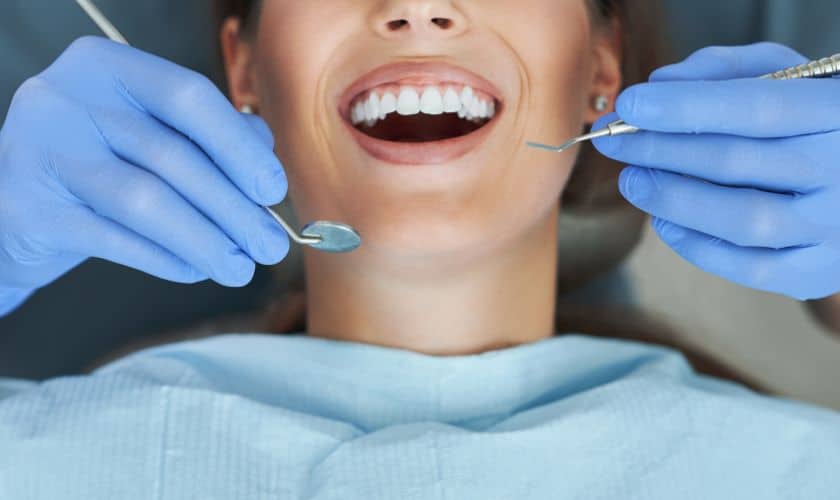
Oral cancer, while often overshadowed by other forms of cancer, poses a significant threat to oral health and overall well-being. April marks Oral Cancer Awareness Month, a time dedicated to raising awareness about this often-overlooked disease and promoting early detection and prevention strategies. In this blog post, we’ll delve into the risks associated with oral cancer and discuss how you can protect yourself.
The Scope of Oral Cancer
Oral cancer refers to cancer that develops in any part of the mouth, including the lips, tongue, gums, palate, and the inner lining of the cheeks. According to the American Cancer Society, approximately 54,000 people in the United States will be diagnosed with oral cancer this year, with an estimated 10,850 deaths attributed to the disease. These statistics underscore the importance of understanding the risks associated with oral cancer and taking proactive steps to protect oneself.
Recognizing the Risk Factors
Several factors can increase an individual’s risk of developing oral cancer. These include:
Tobacco Use:
Smoking cigarettes, cigars, or pipes, as well as using smokeless tobacco products, significantly increases the risk of oral cancer. Tobacco contains numerous carcinogens that can damage cells in the mouth and lead to the development of cancerous growths.
Heavy Alcohol Consumption:
Excessive alcohol consumption is another significant risk factor for oral cancer. When combined with tobacco use, the risk of developing oral cancer is even greater.
Human Papillomavirus (HPV) Infection:
Certain strains of HPV, particularly HPV-16 and HPV-18, have been linked to an increased risk of oral cancer. HPV is a sexually transmitted infection, and engaging in unprotected sexual activity with an infected partner can increase the likelihood of HPV transmission.
Sun Exposure:
Excessive exposure to sunlight can increase the risk of developing lip cancer, particularly for individuals with fair skin.
Poor Oral Hygiene:
Neglecting oral hygiene practices, such as regular brushing, flossing, and dental check-ups, can contribute to the development of oral cancer. Poor oral hygiene allows harmful bacteria to accumulate in the mouth, increasing the risk of oral health issues, including cancer.
Protecting Yourself Against Oral Cancer
While certain risk factors for oral cancer, such as genetics and age, are beyond our control, there are steps we can take to reduce our risk and protect ourselves against this disease:
Avoid Tobacco Products:
If you currently use tobacco products, quitting is the single most effective way to reduce your risk of oral cancer. Seek support from healthcare professionals, support groups, or smoking cessation programs to help you quit for good.
Limit Alcohol Consumption:
If you choose to drink alcohol, do so in moderation. Limiting alcohol consumption can help reduce your risk of oral cancer and other alcohol-related health problems.
Practice Safe Sex:
Practicing safe sex and limiting your number of sexual partners can help reduce your risk of HPV infection, which is associated with oral cancer.
Wear Sunscreen:
When spending time outdoors, especially during peak sun hours, remember to apply sunscreen to your lips and other exposed areas of skin to protect against sun damage and reduce the risk of lip cancer.
Maintain Good Oral Hygiene:
Brush your teeth twice a day, floss daily, and visit your dentist regularly for dental check-ups and cleanings. Good oral hygiene can help prevent oral health issues, including oral cancer.
Conclusion
Oral cancer is a serious and potentially life-threatening disease, but with awareness and proactive measures, it can be prevented or detected early when treatment is most effective. During Oral Cancer Awareness Month and throughout the year, take the time to educate yourself about the risks associated with oral cancer and implement strategies to protect your oral health and overall well-being. Your mouth will thank you for it.
Recent Post

April 14, 2026
Dental Care for Busy Professionals: Quick and Effective Oral Hygiene Tips
April 7, 2026
Special Needs Dentistry: How Dentists Treat Patients with Disabilities
March 30, 2026
How Dentists Analyze Smile Proportions Before Cosmetic Treatments
March 20, 2026
5 Lifestyle Changes That Help Your Dental Implants Last Longer
March 12, 2026