
Book Online
How Dentists Analyze Smile Proportions Before Cosmetic Treatments
March 30, 2026

Your smile is one of the first things people notice about you. Before any cosmetic dental work begins, a good dentist takes time to study your smile carefully. This process is more detailed than most people think, and understanding it can help you feel more confident walking into your first appointment.
If you have been thinking about improving your smile, a cosmetic dentist Corpus Christi can guide you through this analysis step by step, so you know exactly what to expect before any treatment starts.
Why Smile Proportion Analysis Matters
Cosmetic dentistry is not just about making teeth whiter or straighter. It is about making your smile fit your face in a natural way. When the proportions are off, even perfect teeth can look out of place.
Dentists use a set of visual guidelines to judge how your smile should look. These guidelines have been developed over decades of dental research and are based on what the human eye naturally finds pleasing.
The Tools and Techniques Dentists Use
Facial Symmetry Assessment
The first thing a dentist checks is your overall facial balance. They look at how your face divides into thirds: the forehead, mid-face, and lower face. A well-balanced smile fits naturally into the lower third of the face.
They also check left-to-right symmetry. Most faces are not perfectly symmetric, and a skilled dentist accounts for that when planning your treatment.
The Golden Proportion
Dentists often use a concept called the golden proportion when sizing teeth. This is a ratio where each tooth is roughly 60% as wide as the tooth next to it. The goal is for your front teeth to look dominant without overpowering the rest of your smile.
This is not a rigid rule, but it gives the dentist a starting point for what will look natural on your specific face.
Smile Width and Buccal Corridor
When you smile wide, the space between your back teeth and the corners of your lips is called the buccal corridor. A narrow corridor can make a smile look too small. A wide corridor can make it look full and natural.
Your dentist measures this space to decide if any adjustments are needed before or during treatment.
Gum Line Evaluation
The gum line frames your teeth. If your gums are uneven or show too much when you smile (often called a “gummy smile”), that affects how the finished result will look. Many patients are surprised to learn that gum reshaping is sometimes part of a cosmetic plan, not just tooth work.
Tooth Shape and Color Mapping
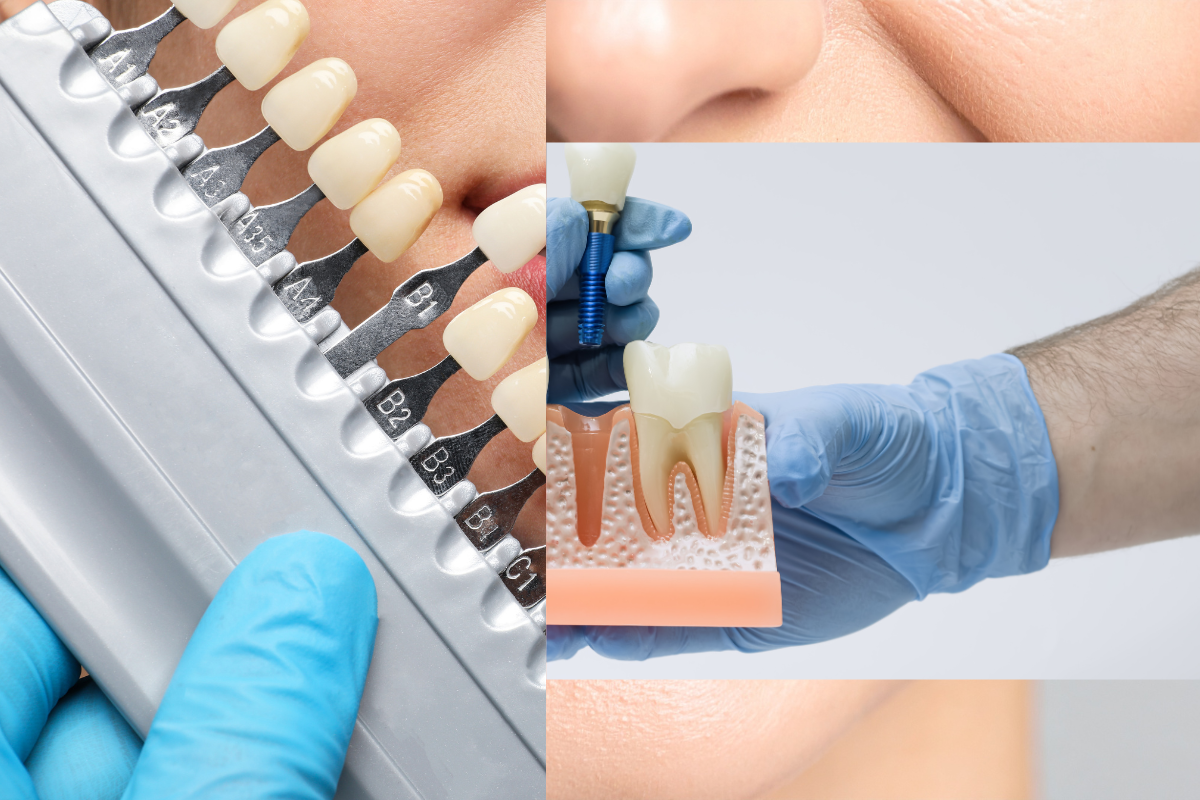
Before any whitening, veneers, or bonding, your dentist takes note of your current tooth shape, texture, and shade. They often use a shade guide to measure your natural color and match it to the results you want. Digital photos and sometimes 3D scans are used to get an accurate picture of your starting point.
Digital Smile Design: A Closer Look
Many dental offices now use digital tools to plan smiles before any work is done. With digital smile design, your dentist can show you a preview of what your smile might look like after treatment. This gives you a chance to give feedback and make sure the plan matches your goals.
A dentist in Corpus Christi who uses digital planning tools can show you side-by-side comparisons of your current smile and the proposed result. This removes a lot of guesswork from the process.
What Happens During Your Consultation
When you sit down for a cosmetic consultation at Tide Dental Orthodontics, here is what the process typically looks like:
- Your dentist takes photos of your face and smile from multiple angles.
- They measure facial proportions using the guidelines above.
- They review your dental and health history to check for issues that could affect treatment.
- They discuss your goals and preferences in plain language.
- They outline which treatments fit your situation and what the timeline looks like.
This is not a rushed process. A cosmetic dentist Corpus Christi who takes the time to analyze your smile carefully is setting up the entire treatment for success.
Common Cosmetic Treatments That Follow This Analysis
Once the analysis is done, the dentist recommends treatments based on what they found. Some of the most common options include:
- Teeth whitening for color improvement
- Dental veneers for shape, size, and color changes
- Dental bonding for minor chips or gaps
- Orthodontic treatment for alignment issues
- Gum contouring for an uneven gum line
Each treatment is chosen based on the specific proportions and issues identified during the analysis, not a one-size-fits-all plan.
What Makes a Smile Look Natural
The goal of any cosmetic treatment is a result that looks like it belongs on your face. Teeth that are too white, too large, or too perfectly even can actually look less natural than a smile with subtle variation. A skilled dentist in Corpus Christi understands this balance. They aim for results that enhance your natural features rather than replace them with something that looks artificial.
FAQs
1. How long does a smile analysis take?
Most initial consultations take between 45 minutes to an hour. This includes photos, measurements, and a conversation about your goals.
2. Is the analysis painful?
Not at all. It is a visual and digital assessment. No needles or dental instruments are involved at this stage.
3. Do I need to prepare anything before my consultation?
Just come in with a clear idea of what you would like to improve. Bringing reference photos of smiles you admire can be helpful.
4. Can the analysis reveal problems I was not aware of?
Yes. Sometimes the process uncovers issues like gum recession, uneven wear, or bite problems that the patient had not noticed but that need to be addressed before cosmetic work begins.
5. Will my insurance cover the analysis?
Cosmetic consultations are usually not covered by insurance. However, many offices offer free or low-cost consultations. It is worth calling ahead to ask.
6. How accurate are digital smile previews?
They give a strong general idea of the outcome, but the final result depends on your natural tooth structure and how your mouth responds to treatment. Think of it as a planning guide, not a guarantee.
7. What if I only want one small change?
That is perfectly fine. The analysis still helps because even small changes should fit within the overall proportions of your smile. A single veneer, for example, needs to match the shade and size of your other teeth.
8. How soon can treatment start after the analysis?
In many cases, a basic treatment like whitening can begin right away. More involved work like veneers or orthodontics requires a more detailed planning phase, which your dentist will walk you through.
Conclusion
Smile proportion analysis is the foundation of good cosmetic dentistry. It is the step that separates results that look natural from results that look done. When a dentist takes the time to study your face, your teeth, and your goals before touching anything, you are far more likely to walk away happy.
If you are ready to take the first step, schedule a consultation with Tide Dental Orthodontics. Our dentist in corpus christi team is here to walk you through exactly what your smile needs and what your options are, with no pressure and no guesswork. You can also contact our Tide Dental Orthodontics office directly to ask questions or book your visit. Whether you are looking for a complete smile refresh or just a small improvement, we are here to help you move forward with confidence.
Recent Post
June 5, 2026
Dental Implants and Cosmetic Dentistry: Creating Natural-Looking Smiles

May 29, 2026
The Do’s and Don’ts of Routine Dental Care for All Ages
May 22, 2026
How Dentists Detect Early Signs of Serious Health Conditions

May 15, 2026
Smoking and Dental Implants: Risks You Should Know

May 9, 2026