
Book Online
Tooth Pain When Chewing: Common Problems That May Be Hiding Beneath the Surface
October 15, 2026
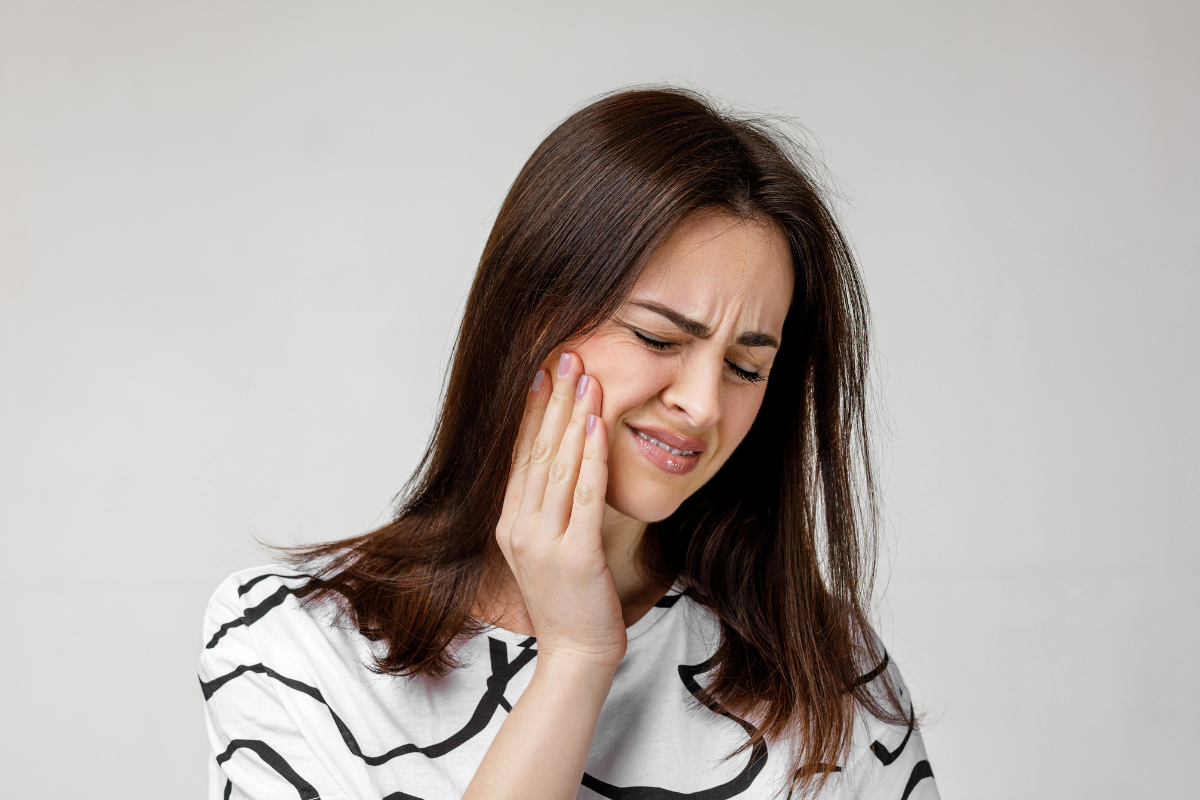
A sharp zing when you bite down can end a good meal fast. You might shrug it off and chew on the other side. Plenty of people do.
But pain that shows up only when you chew is a clue. It often means something is wrong inside the tooth, under the gum, or in the way your teeth meet. If you are looking for a corpus christi dentist to check it out, this guide will help you understand what could be going on and what to do next. You will also see which signs mean you should be seen soon. Many patients wait because the pain comes and goes, and that wait can turn a small fix into a bigger one. A general dentist in corpus christi can find the cause with a short exam and a few X-rays.
Why Chewing Brings Out the Pain
When you bite down, force travels through the tooth and into the bone and gum around it. A healthy tooth handles that pressure with no trouble. A damaged one does not.
Chewing can press on a crack, push on an infected root, or squeeze swollen tissue. That is why the pain often feels sharp, quick, and tied to one spot. Hot or cold drinks may bother it too, but not always.
The American Dental Association explains that tooth pain has many sources, and the pattern of the pain helps a dentist narrow down the cause. So the details you notice matter.
Common Causes of Pain When You Bite
A Deep Cavity
A cavity that has grown past the outer layer can reach the nerve. At first you may only feel it with sweets or cold. Later, pressure from chewing can set it off. Cavities do not heal on their own. They get bigger.
A Cracked Tooth
A small crack may not show on the surface. It can open a little when you bite and close when you let go. That brings a quick, sharp jolt, often when you release the bite. Crunchy food, ice, and hard candy are common triggers. Cracks can grow deeper over time, so early care helps save the tooth.
An Infected Tooth (Abscess)
When germs reach the root, a pocket of infection can form. The tooth feels sore to bite on, and the gum may swell. You might notice a bad taste or a pimple-like bump on the gum. This needs prompt care. An abscess does not go away without treatment.
Gum Disease
Infected gums and loose support around a tooth can make chewing hurt. You may also see bleeding when you brush, red or puffy gums, or bad breath. Gum disease often has little pain early on, so it can go unnoticed for a long time.
A Filling or Crown That Sits Too High
After dental work, a tooth can feel off if the filling or crown is a bit too tall. It hits first when you close your mouth. That extra force makes the tooth sore. This is easy to fix, but only a dentist can adjust it safely.
Teeth Grinding and Clenching
Many people grind their teeth at night and never know it. Over time, the pressure makes teeth sore and can cause small cracks. You may wake up with a tight jaw or a dull headache.
Sinus Pressure
The roots of the upper back teeth sit close to the sinuses. A sinus infection can make those teeth ache, especially when you bite down or bend over. If several upper teeth hurt at once, along with a stuffy nose, sinuses may be the cause.
Food Trapped Between Teeth
Sometimes the cause is simple. A bit of meat, a seed, or a popcorn husk stuck below the gumline can press on the gum and hurt when you chew. Gentle flossing may help. If the soreness stays after you clear it, get it checked.
Quick Guide: What Your Pain May Be Telling You
This chart gives a general idea. Only an exam can confirm the cause.
| What You Feel | Possible Cause | Suggested Next Step |
| Sharp zing when you bite, then relief | Cracked tooth | Book an exam soon |
| Dull ache, worse with sweets or cold | Cavity | Schedule a filling check |
| Throbbing, swollen gum, bad taste | Abscess | Get seen right away |
| Sore gums, bleeding, loose feel | Gum disease | Book a gum exam |
| Tooth hurts after new dental work | High filling or crown | Ask for a bite adjustment |
| Several upper teeth ache with a stuffy nose | Sinus pressure | See a doctor or dentist |
| Jaw tightness, worn teeth, morning headache | Grinding | Ask about a night guard |
Signs You Should Not Wait
Some symptoms are more serious. Get dental care quickly if you notice any of these:
- Swelling in your face, cheek, or jaw
- Fever along with tooth pain
- A pimple-like bump on the gum
- Pain that wakes you at night
- A tooth that feels loose
- A bad taste that will not go away
Trouble breathing or swallowing, or swelling that spreads toward your eye or neck, is an emergency. Go to the nearest emergency room right away.
What Not to Do at Home
It is tempting to handle tooth pain on your own. A few habits can make things worse.
- Do not put aspirin on the gum. It can burn the tissue.
- Do not chew on the sore side. It can crack the tooth further.
- Do not ignore the pain because it faded. Nerves can die after an infection, and the pain stops while the problem grows.
- Do not delay because of fear. Dental teams can use numbing and comfort options. Ask about them.
Over-the-counter pain relievers may ease soreness for a short time. They do not fix the cause.
What Happens at a Dental Exam
Knowing what to expect can ease the nerves. A visit for chewing pain usually follows a few steps.
- A talk about your symptoms. Your dentist asks when the pain started, what sets it off, and what helps.
- A close look. The dentist checks your teeth, gums, and bite.
- Bite tests. You may be asked to bite on a small tool to find which tooth hurts.
- X-rays. These show cavities, infection, and bone changes you cannot see.
- A clear plan. You hear what was found, your options, and what each costs before anything begins.
Treatment depends on the cause. It may be as simple as a filling or a bite adjustment. A cracked tooth may need a crown. A deep infection may need a root canal. When a tooth cannot be saved, an extraction may be the safest choice, and a replacement can be planned afterward. Tide Dental Orthodontics & Dental Implants lists emergency care, fillings, crowns, root canals, gum treatment, and extractions among its services, so many of these needs can be handled under one roof.
Local Habits That Can Hurt Teeth on the Gulf Coast
Life along the coast has its own tooth risks. Long beach days often mean sipping sweet drinks for hours, and sugar feeds the germs that cause cavities. Chewing ice to beat the Texas heat is another habit that cracks teeth. Hard foods like jerky, crusty bread, and shell-on seafood can also stress a weak tooth.
Try these small changes:
- Drink water between sweet drinks and rinse after.
- Skip the ice chewing. Let it melt.
- Wear a mouthguard for sports or if you grind at night.
- Keep up with cleanings and exams twice a year, or as your dentist advises.
If pain has already started, a local Corpus Christi dentist who sees chewing problems often can check the tooth before a small issue turns into a big one. Getting seen early usually means a simpler fix and a lower bill.
Know Our Dentists
Knowing who will treat you helps you feel at ease. Here are the doctors at Tide Dental Orthodontics & Dental Implants, based on what they share about their own training and background.
Dr. Tina Huynh is a general dentist who grew up in Corpus Christi. She earned her Doctor of Dental Medicine at Roseman University of Health Sciences and finished an externship with Community Health Centers of Utah, where she cared for underserved communities. She says she wants patients to feel heard and cared for, which matters when a visit starts with pain.
Dr. Joel Khoo is a prosthodontist. He earned his Bachelor of Dental Surgery at the National University of Singapore and his Master of Science in Prosthodontics at the University of Iowa. His specialty is restoring damaged teeth, which applies when a crack or heavy decay needs a crown or a rebuild. He shares that helping anxious patients feel calm is one of the things he values most.
Dr. ReAnn Boss is an orthodontist and a Texas native. She earned her Doctor of Dental Surgery at Baylor College of Dentistry (now the Texas A&M College of Dentistry) and completed a general dentistry residency in the Air Force. Later she earned an orthodontic certificate at A.T. Still University’s Arizona School of Dentistry and Oral Health. Her background covers both general dentistry and tooth alignment, which helps when a crowded or uneven bite adds stress to a tooth.
Together, they can look at the tooth, the gums, and the bite as one picture. Anyone searching for a general dentist in Corpus Christi can ask any of them how the cause of chewing pain is found and treated.
Our Approach: Clear and Honest
You should know what is happening and why. Here is how we keep it open.
- We explain what we find. You see the X-rays and hear the diagnosis in plain words.
- We go over options. There is often more than one way to treat a problem, and you choose.
- We share costs first. Your plan, what insurance may cover, and what you pay are explained before treatment.
- We do not push extra work. If a tooth can wait and be watched, we say so.
- We tell you what we cannot promise. Some teeth cannot be saved, and we say that early.
Frequently Asked Questions
1. Why does my tooth only hurt when I bite down?
Pressure from biting can reach a crack, a deep cavity, an infected root, or inflamed gum. The pain often points to one tooth, and an exam finds the cause.
2. Is pain when chewing always a cavity?
No. Cracks, gum disease, a high filling, grinding, and even sinus problems can cause it too.
3. Can a cracked tooth heal on its own?
No. Teeth cannot repair cracks like bone does. Early care, such as a filling or a crown, can protect the tooth from breaking further.
4. Should I stop chewing on that side?
Yes, until you are seen. Extra force can make a crack or an infection worse.
5. When is tooth pain an emergency?
Swelling in the face or jaw, fever, trouble breathing or swallowing, or swelling that spreads toward the eye or neck needs urgent care. Go to an emergency room if breathing or swallowing is hard.
6. Can a sinus infection make my teeth hurt?
Yes. The upper back teeth sit near the sinuses, and pressure there can feel like tooth pain. If several upper teeth ache with a stuffy nose, mention it to your dentist.
7. Will treatment hurt?
Your dentist numbs the area before treatment. If you feel nervous, ask about comfort options before your visit.
8. What if the pain goes away on its own?
Do not skip the exam. When an infected nerve dies, the pain can fade while the infection stays and spreads.
Final Thoughts
Pain when you chew is your mouth asking for help. Some causes are simple, like a high filling. Others, like a crack or an infection, get worse without care. The sooner the cause is found, the easier it usually is to treat.
If your tooth has been sore, schedule an appointment with Tide Dental Orthodontics & Dental Implants for an exam and a clear plan. A general dentist in corpus christi can find the source, explain your choices, and get you back to eating comfortably. You can book online through the clinic’s appointment page whenever it suits you. Choosing a corpus christi dentist for a fast check today can save you pain and money later.
Recent Post
October 22, 2026
Creating a Practical Morning and Nighttime Oral Hygiene Routine
October 15, 2026
Tooth Pain When Chewing: Common Problems That May Be Hiding Beneath the Surface

October 12, 2026
Sync Your Family’s Dental Visits Without the Scheduling Nightmare
October 12, 2026
Smoking During Dental Implant Treatment: How It Can Affect Healing and Long-Term Results
September 29, 2026