
Book Online
Smoking During Dental Implant Treatment: How It Can Affect Healing and Long-Term Results
October 12, 2026
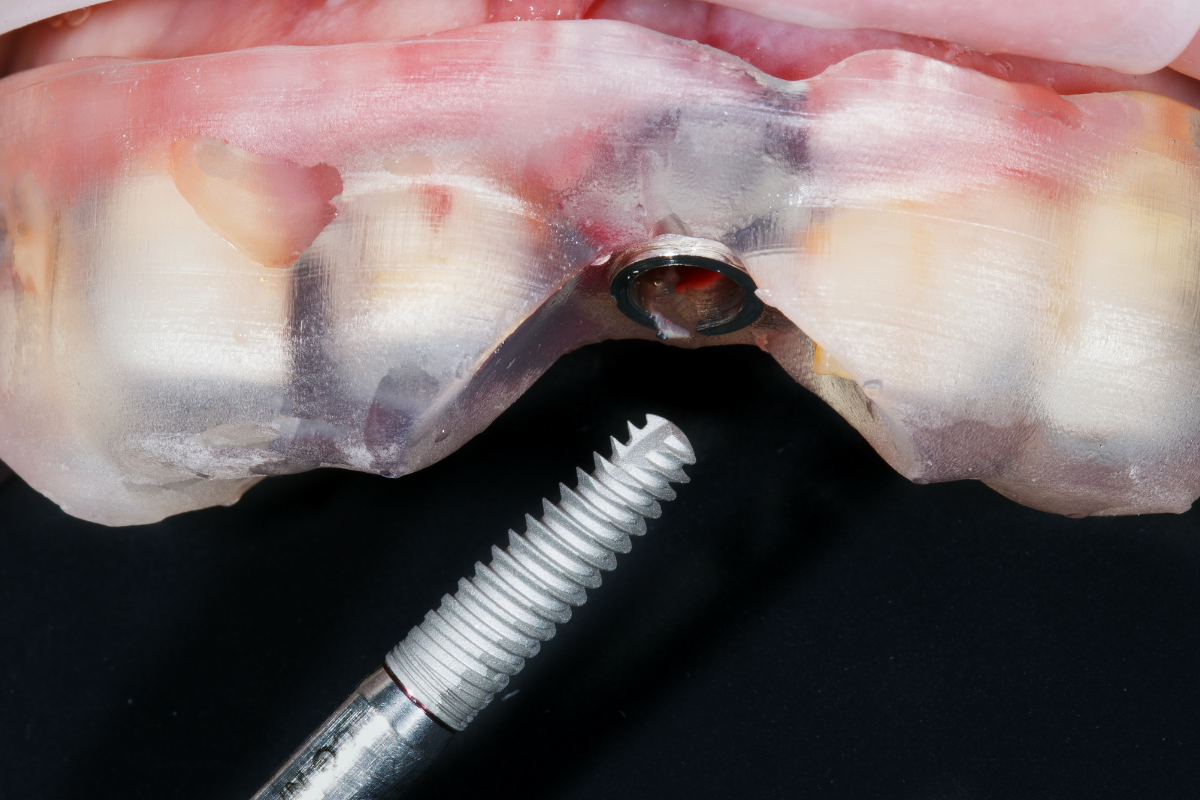
You have a missing tooth, and you smoke. So you are asking the question many people ask first: will an implant even work for me?
The honest answer is that smoking makes healing harder, but it does not always rule you out. Many adults researching dental implants corpus christi want a straight answer before they spend time and money. This guide gives you one. You will learn what smoking does to your mouth, how it changes your results, and what you can do about it. A trusted corpus christi dentist can review your health history and build a plan that fits you.
Why Healing Matters So Much for Implants
An implant is a small titanium post placed in your jawbone. It acts like a tooth root. Over the next few months, the bone grows around the post and holds it tight. A crown is then attached on top.
This process is a team effort between the implant and your body. If your body heals well, the post stays firm for many years. If healing is weak, the post can loosen.
According to the treatment details on the Tide Dental website, the full process usually takes six to nine months in two phases. First the implant is placed. Then the crown is added after the bone has set. That is a long window, and your habits during that time count.
What Smoking Does Inside Your Mouth
Smoke does more than stain teeth. It changes how your gums and bone act. Here is what happens.
Less Blood Reaches the Area
Nicotine narrows your blood vessels. Less blood flows to the gums and bone around the implant. Blood carries the oxygen and nutrients your body uses to repair itself. With less of it, repair slows down.
Less Oxygen in Your Blood
Cigarette smoke contains carbon monoxide. This gas takes the place of oxygen in your blood. Low oxygen means the surgery site heals more slowly and fights germs less well.
A Weaker Defense Against Infection
Smoking dulls your immune cells. Germs build up more easily around the implant. Gum infections are harder to stop, and a surgery site is an easy place for them to start.
Higher Risk of Dry Socket and Gum Trouble
Smokers get dry socket more often after tooth removal. This happens when the blood clot falls out of the socket, which leaves bone open and painful. If you need a tooth pulled before an implant, this matters. Smoking is also a top cause of gum disease, and gum disease can ruin an implant site.
Smoker vs Non-Smoker: Side-by-Side Comparison
This chart shows how healing can differ. Your own results depend on your health, your bone, and your care at home.
| Factor | Non-Smoker | Current Smoker | Quit Before and After Surgery |
| Blood flow to gums | Normal | Reduced | Improves over weeks |
| Healing speed | Steady | Often slower | Closer to normal |
| Infection risk | Lower | Higher | Lower than a current smoker |
| Chance of implant failure | Lowest | Higher (some studies show about double) | Closer to a non-smoker |
| Gum health around implant | Easier to keep healthy | Harder to keep healthy | Gets better with good care |
| Long-term outlook | Strong | Less predictable | Much improved |
The last column is the good news. Your body responds when you stop. The sooner you quit, the better your odds.
Does Vaping or Nicotine Gum Help?
Not really. Vapes, patches, gum, and chewing tobacco all carry nicotine. Nicotine is the main reason blood vessels tighten. Switching products can cut the smoke, but it does not fully remove the problem.
Tell your dentist about every nicotine product you use. Do not hide it. Your care team needs the full picture to protect your implant, and nobody will judge you for it.
How Smoking Can Affect Results Years Later
Healing is only the first part. Long-term results depend on your daily habits too.
The biggest threat is peri-implantitis. This is an infection of the gum and bone around an implant. It looks like gum disease, but it can spread to the bone and loosen the post. The American Academy of Periodontology notes that smoking is a known risk factor for this condition.
Smokers may also see these changes over time:
- Gums that pull back and show the metal edge
- More plaque and tartar buildup
- Slow bone loss around the implant
- Bad breath and a dry mouth
- Crowns that stain faster
None of this means failure is certain. It means you need closer care and more frequent checkups.
How Long Should You Stop Smoking?
There is no single number that fits everyone. Many dentists ask patients to stop at least one to two weeks before surgery and stay off tobacco through the healing phase. A longer break is better. Your bone needs several months to lock onto the implant, so staying smoke-free for that whole stretch gives it the best chance.
Your dentist will set the timeline after an exam and X-rays. They will check your gums, bone, and health history first. Then they will give you a clear plan in plain words.
If you cannot quit fully, do not skip the conversation. Ask about ways to cut back, reduce risk, and monitor healing. Being honest early helps your dental team plan better.
Steps to Take Before Your Implant Consultation
A little planning goes a long way. Use this short list.
- Write down your habits. Note how much you smoke or vape and for how long.
- List your health history. Include diabetes, medicines, and any past gum problems.
- Set a quit date. Aim for at least a week or two before surgery, or earlier if you can.
- Get a gum check. Your dentist should treat gum disease before placing an implant.
- Ask about bone. X-rays show if you have enough jawbone, or if you need a graft.
- Plan your aftercare. Soft food, gentle brushing, and no smoke for the full healing period.
Aftercare Rules That Protect Your Implant
The days after surgery set the tone. Follow these rules closely.
- Skip hot foods and drinks while the area is tender.
- Do not smoke or vape. Smoke and suction can pull the blood clot loose.
- Brush twice a day with a soft toothbrush and mild toothpaste.
- Clean around the implant with floss made for implants.
- Keep your checkup visits, even if everything feels fine.
Pain, swelling that gets worse after a few days, a bad taste, or a loose feeling needs a call to your dentist right away. Early action can save an implant.
Know Our Dentists
Choosing who treats you matters as much as the treatment. Here are the doctors at Tide Dental Orthodontics & Dental Implants, based on the details they share about their own training.
Dr. Joel Khoo is a prosthodontist. He earned his Bachelor of Dental Surgery at the National University of Singapore and a Master of Science in Prosthodontics at the University of Iowa. Prosthodontics focuses on restoring and replacing teeth, which is closely tied to implant work. Dr. Khoo says he enjoys helping nervous patients feel calm and confident. He lives in Corpus Christi with his family.
Dr. ReAnn Boss is an orthodontist and a Texas native. She earned her Doctor of Dental Surgery at Baylor College of Dentistry, now the Texas A&M College of Dentistry, and completed a one-year general dentistry residency in the Air Force. She then earned a certificate in orthodontics at A.T. Still University’s Arizona School of Dentistry and Oral Health. Her mix of general dentistry and orthodontic training helps when tooth position affects a restoration plan.
Dr. Tina Huynh is a general dentist who grew up in Corpus Christi. She earned her Doctor of Dental Medicine at Roseman University of Health Sciences and completed an externship with Community Health Centers of Utah, where she treated underserved communities. She focuses on patient-centered care and a calm, welcoming visit.
Together, the team can look at your gums, bite, and bone before any treatment starts. Anyone searching for a corpus christi dentist who explains risks in plain terms can ask any of our doctors about a smoking-safe plan.
Our Approach: Clear, Honest, and Without Surprises
You should know what to expect before you agree to anything. Here is how we handle it.
- We tell you the risks. If smoking lowers your odds, we say so and explain why.
- We do not guarantee results. No dentist can promise an implant will last forever. Success depends on your health, your bone, and your daily care.
- We explain costs up front. Insurance often covers only part of implant care, so we go over what your plan includes and what it does not.
- We may suggest waiting. If your gums or habits put the implant at risk, a short delay can be the safer choice.
- We keep you informed. You will get a written plan and a chance to ask questions at every step.
Frequently Asked Questions
1. Can I get an implant if I smoke?
In many cases, yes. Your dentist will review your gums, bone, and health before deciding. Stopping smoking before and after surgery greatly improves your chances.
2. How soon after surgery can I smoke again?
Ideally, not at all during the healing period, which can last several months. Ask your dentist for a timeline that fits your case.
3. Is vaping safer for implants than cigarettes?
Vapes still contain nicotine, which narrows blood vessels and slows healing. They are not a safe swap during implant treatment.
4. What are the signs an implant is not healing well?
Watch for pain that grows after the first few days, swelling, pus, a bad taste, bleeding, or a post that feels loose. Call your dentist right away if you notice any of these.
5. Does smoking cause dry socket?
It raises the risk. The suction and chemicals can loosen the blood clot that protects the bone after a tooth is removed.
6. Can a failed implant be replaced?
Often, yes. Your dentist may need to clear the infection, rebuild bone, and wait for the area to heal before trying again.
7. How often should I get checkups after an implant?
Many dentists suggest a maintenance visit about every three months at first. Smokers may need closer follow-up.
8. Will dental insurance cover implants?
Coverage varies by plan. Some plans pay for parts such as the crown or exams. Ask your insurance carrier and your dental office for a written breakdown.
Final Thoughts
Smoking slows healing, raises infection risk, and can shorten the life of an implant. But quitting, even for the healing window, gives your body a real chance to do its job. If you are weighing dental implants corpus christi options, the smartest first step is an honest talk with a dentist who will look at your whole health picture. Schedule an appointment with Tide Dental Orthodontics & Dental Implants to review your gums, your bone, and your quit plan with a corpus christi dentist who will keep you informed.
Recent Post
October 22, 2026
Creating a Practical Morning and Nighttime Oral Hygiene Routine
October 15, 2026
Tooth Pain When Chewing: Common Problems That May Be Hiding Beneath the Surface

October 12, 2026
Sync Your Family’s Dental Visits Without the Scheduling Nightmare
October 12, 2026
Smoking During Dental Implant Treatment: How It Can Affect Healing and Long-Term Results
September 29, 2026