
Book Online
Smoking and Dental Implants: Risks You Should Know
May 15, 2026
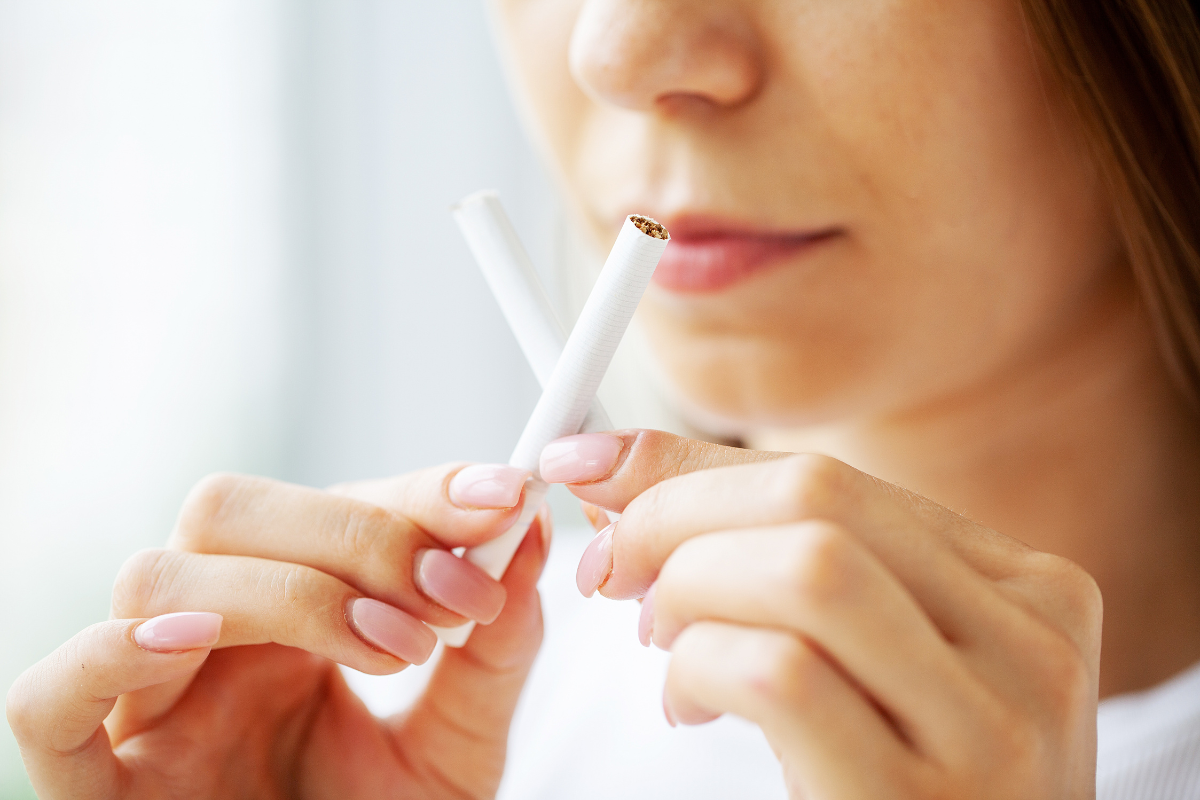
If you smoke and are thinking about getting dental implants, there is something important you need to understand before you move forward. Smoking can seriously affect whether your implants work or not. This is not meant to scare you. It is meant to give you the real picture so you can make a smart choice about your oral health.
Why Dental Implants Are a Popular Choice
Dental implants are one of the most reliable ways to replace missing teeth. They look natural, feel stable, and can last for decades when cared for properly. People choose implants because they want a long-term fix, not just a temporary patch.
At Tide Dental Orthodontics, we see many patients each year who are great candidates for dental implants. But when a patient smokes, the conversation changes. There are specific risks that simply cannot be ignored.
How Smoking Affects the Implant Process
Smoking does not just affect your lungs. It has a direct impact on your mouth, your gums, and your bone health. Here is what happens:
Slower healing
Nicotine restricts blood flow to the gums and bone. After an implant is placed, your body needs good blood circulation to heal. Smokers heal more slowly, which means the implant has a harder time fusing with the bone. This process is called osseointegration, and it is the foundation of a successful implant.
Higher infection risk
Smoke introduces harmful chemicals into the mouth. These chemicals irritate gum tissue and lower your immune response. This makes it easier for bacteria to cause an infection around the implant site.
Peri-implantitis
This is a condition where the tissue and bone around the implant become inflamed and break down. Smokers are at a much higher risk for this than non-smokers. Once it starts, it can lead to implant failure if not treated quickly.
Dry mouth
Smoking reduces saliva production. Saliva helps keep bacteria levels in check. Less saliva means a higher chance of infection and gum disease.
The Numbers Tell a Clear Story
Studies show that smokers have a significantly higher implant failure rate compared to non-smokers. Some research suggests that the failure rate in smokers can be two to three times higher. These are not minor odds. For a procedure that requires surgery, recovery time, and real financial investment, those numbers matter.
If you are looking for a dentist in corpus christi who gives you straight answers, this is what honest dental care looks like.
Can Smokers Still Get Dental Implants?
Yes, but with conditions. Smoking does not automatically disqualify someone from getting implants. What it does mean is that extra care, planning, and commitment are required.
Here is what we typically advise:
Stop smoking before surgery
Many dental professionals recommend stopping at least two weeks before the procedure and continuing to avoid smoking during the healing phase. The longer you can go without smoking around the time of surgery, the better your chances of success.
Commit to good oral hygiene
Brushing, flossing, and keeping up with dental cleanings become even more important for smokers who get implants.
Be honest with your dentist
Your dental provider needs to know your full smoking history. This affects how your treatment is planned and how closely you need to be monitored after the procedure.
At Tide Dental Orthodontics, we work with patients individually to figure out the safest and most realistic path forward for dental implants corpus christi. We do not take a one-size-fits-all approach.
What Happens If You Continue Smoking After Getting Implants
This is where many patients run into trouble. Some people stop smoking before surgery, get through the procedure, and then start again during recovery. This is one of the most common reasons implants fail.
The healing window is critical. The bone needs to fully bond with the implant post, and that takes months. Smoking during this time puts that entire process at risk. If the implant fails, you are back to square one, and the process has to start over.
Long-term smoking after implants are placed also increases the chance of peri-implantitis, which can silently damage bone without obvious pain until the problem is already serious.
Tips for Smokers Considering Implants
If you are a smoker and you want implants, here are practical steps that can improve your chances:
- Talk to your doctor about nicotine replacement options or cessation programs before scheduling implant surgery.
- Ask your dental team about a personalized care timeline that accounts for your smoking history.
- Plan for more frequent follow-up appointments so any early issues can be caught quickly.
- Take healing seriously. Avoid smoking for as long as possible after surgery, not just a few days.
A dentist in corpus christi who understands your full health picture will always give you more useful guidance than a generic checklist.
The Bottom Line
Smoking and dental implants are a difficult combination. That does not mean it is impossible, but it does mean you need to go in with clear expectations and a willingness to take extra steps to protect your investment.
Your oral health affects your overall health. Missing teeth can affect how you eat, speak, and feel about yourself. Implants can genuinely change quality of life, but they work best when the conditions for healing are as healthy as possible.
If you are thinking about dental implants corpus christi and want a real conversation about what is possible for your situation, schedule a consultation with our dentist in corpus christi experts. We will walk through your health history, your goals, and your options together. To take the first step, contact our Tide Dental Orthodontics office and set up a time to talk with our team.
Frequently Asked Questions
Q: Will smoking always cause my dental implant to fail?
A: Not always, but it does raise the risk significantly. Success depends on how much you smoke, your overall health, and how well you care for the implant before and after surgery.
Q: How long before implant surgery should I stop smoking?
A: Most dental professionals suggest stopping at least two weeks before the procedure. Staying smoke-free during the healing period, which can last several months, gives you the best chance of success.
Q: Can e-cigarettes or vaping cause the same problems as regular cigarettes?
A: Yes. Vaping still delivers nicotine, which restricts blood flow and slows healing. The chemicals in vape products also affect gum tissue and can increase infection risk.
Q: Is there any way to offset the risks of smoking if I cannot quit?
A: Cutting back as much as possible, maintaining very strict oral hygiene, and attending more frequent dental check-ups can all help reduce risk. But quitting entirely remains the most effective step you can take.
Q: What is peri-implantitis and how do I know if I have it?
A: Peri-implantitis is an infection around the implant that affects the gum and bone. Early signs include bleeding gums around the implant, swelling, or a feeling of looseness. Regular dental visits help catch it early.
Q: How long does the dental implant healing process take?
A: Full osseointegration typically takes three to six months. During this window, protecting the implant site from infection and poor circulation is very important for long-term success.
Q: Are dental implants worth it for smokers who commit to quitting?
A: Yes. Patients who successfully quit smoking before and after surgery tend to see much better outcomes. If quitting is something you are ready to commit to, implants can absolutely be a good investment in your smile and your health.
Q: What should I tell my dentist about my smoking habits?
A: Be completely honest. Share how long you have smoked, how much you smoke per day, and whether you have tried to quit. This information helps your dental team plan the safest and most effective treatment for you.
Recent Post
May 15, 2026
Smoking and Dental Implants: Risks You Should Know
May 9, 2026
Daily Dental Care Routine: What You Should Be Doing Every Day
April 30, 2026
Common Mistakes to Avoid During Invisalign Aligner Treatment
April 22, 2026
Is a Smile Makeover Worth It? Benefits, Risks, and Long-Term Value

April 14, 2026