
Book Online
Special Needs Dentistry: How Dentists Treat Patients with Disabilities
April 7, 2026
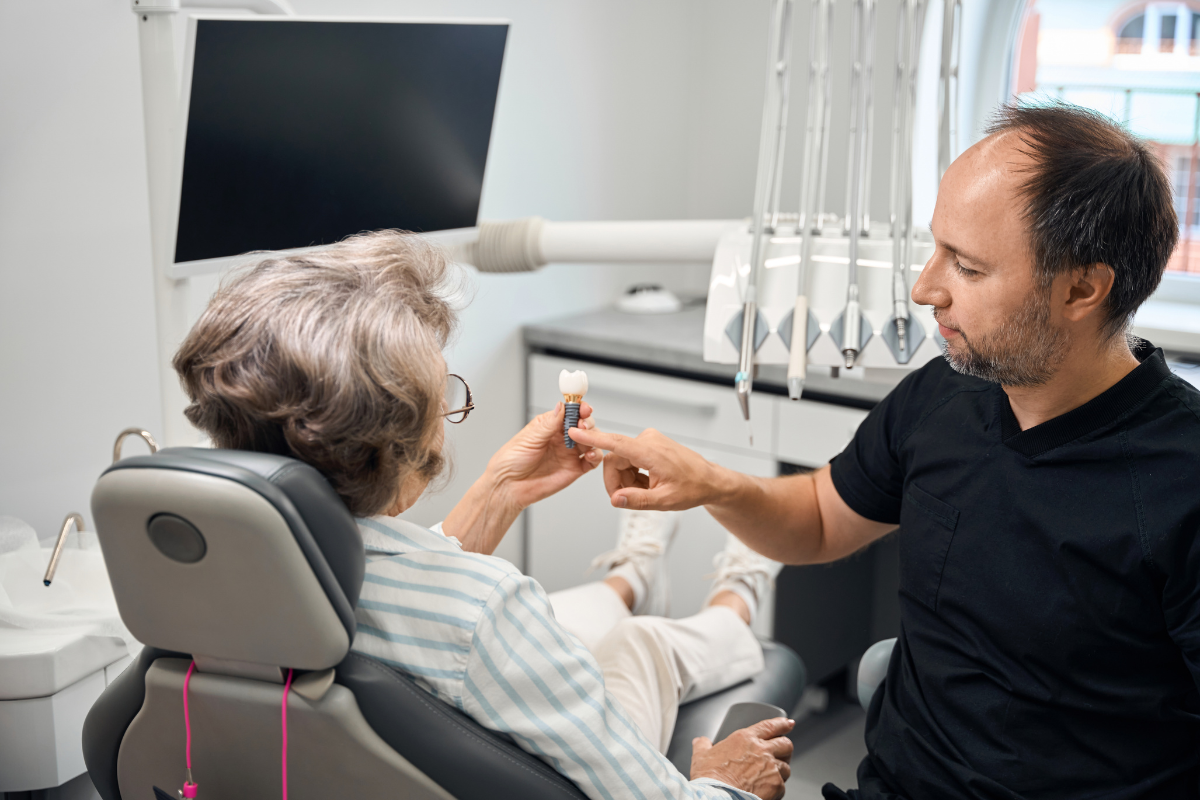
Good dental care is something every person deserves, no matter their health condition or ability. But for patients with physical, developmental, or cognitive disabilities, a regular dental visit can feel overwhelming. That is why special needs dentistry exists. It is a focused area of care that makes sure every patient, regardless of their challenges, gets the treatment they need in a safe and comfortable setting.
If you are looking for a dentist in Corpus Christi who understands these needs, knowing what to expect can help you feel more prepared.
What Is Special Needs Dentistry?
Special needs dentistry refers to dental care that is designed for patients who require extra support during treatment. This includes people with:
- Autism spectrum disorder (ASD)
- Cerebral palsy
- Down syndrome
- Physical disabilities or mobility limitations
- Anxiety disorders or sensory processing issues
- Alzheimer’s disease or other memory-related conditions
- Chronic medical conditions that affect oral health
The goal is not just to treat teeth. It is to create an environment where patients feel safe and respected throughout the entire visit.
Why Standard Dental Care Does Not Always Work
A standard dental office setup works well for most patients. But for someone with a sensory sensitivity, a bright overhead light or the sound of a drill can cause real distress. For a patient with a physical disability, getting into a dental chair may require special equipment or positioning support.
Some patients also have medical conditions that interact with certain dental medications. Others may not be able to communicate pain the same way. These are real challenges, and a dentist who is trained in special needs care knows how to handle them.
How Dentists Adapt Their Approach
A corpus christi dentist trained in special needs care adjusts the treatment plan to fit the patient, not the other way around. Here is how that looks in practice:
Sensory-Friendly Environment
Offices may dim the lights, reduce noise, and limit waiting time. Some patients do better with a slow, step-by-step introduction to each tool before it is used.
Modified Communication
Dentists use simple language, visual aids, or show-tell-do techniques. For non-verbal patients, alternative communication methods are used to check on comfort and pain.
Sedation Options
For patients who cannot stay still or who experience extreme anxiety, sedation dentistry is often used. Options include nitrous oxide (laughing gas), oral sedation, or in more complex cases, general anesthesia. The right option depends on the patient’s medical history.
Positioning and Physical Support
Patients with mobility issues may need help transferring to the dental chair, or they may remain in their wheelchair during treatment. Supportive devices like mouth props can also be used to help patients who have difficulty keeping their mouths open.
Shorter, More Frequent Visits
Breaking treatment into shorter appointments helps reduce fatigue and stress, especially for patients who have low tolerance for long procedures.
The Role of the Caregiver
Family members and caregivers play a big part in special needs dental care. Before the first visit, dentists often ask for a detailed health history that includes current medications, behavioral patterns, and past dental experiences.
Caregivers can help by:
- Preparing the patient ahead of time with social stories or practice runs
- Bringing comfort items from home
- Staying in the treatment room if the patient needs a familiar presence
- Communicating any changes in the patient’s condition to the dental team
Open communication between the caregiver and the dental office makes the experience smoother for everyone.
Oral Health Challenges Common in Patients with Disabilities
Patients with disabilities often face a higher risk of oral health problems. This can happen for several reasons:
- Difficulty brushing and flossing independently
- Medications that cause dry mouth or affect gum tissue
- Soft food diets that may increase cavity risk
- Limited access to regular dental care over the years
Catching these issues early makes treatment simpler and less stressful. Regular checkups with a dentist in Corpus Christi who specializes in this area can prevent small problems from becoming bigger ones.
Finding the Right Dental Office
Not every dental office is set up for special needs patients. When choosing a provider, look for:
- Experience with the patient’s specific condition
- A calm, patient-centered approach
- Staff trained to work with patients who have behavioral or physical challenges
- Flexible scheduling and extended appointment times
- A willingness to work closely with other healthcare providers
At Tide Dental Orthodontics, the team is committed to treating every patient with care and patience. A corpus christi dentist at Tide Dental Orthodontics takes time to understand each patient’s needs before any treatment begins.
Preventive Care Still Matters
Even with added challenges, preventive care is still the best approach. Routine cleanings, fluoride treatments, and sealants can protect teeth and reduce the need for more complex procedures down the line.
Parents of children with special needs should start dental visits early, ideally by age one or when the first tooth appears. Early and consistent care builds familiarity with the dental environment and reduces anxiety over time.
Conclusion
Every person deserves dental care that fits their needs. Special needs dentistry is not about lowering the standard of care. It is about raising the level of attention and thoughtfulness that goes into every appointment. If you or someone you care for has been putting off dental visits due to fear, physical limitations, or past negative experiences, there is support available. You do not have to navigate it alone.
To get started, schedule a consultation with Tide Dental Orthodontics and speak with a team that understands your situation. Contact our dental office to ask questions, discuss any concerns, or set up a first visit that works around your needs. Finding a trusted dentist in Corpus Christi who truly listens can make all the difference.
Frequently Asked Questions
1. What is special needs dentistry?
Special needs dentistry is dental care designed for patients who need additional support due to physical, developmental, cognitive, or medical conditions. It involves modified techniques, tools, and communication to make care accessible to everyone.
2. Is sedation always required for patients with special needs?
No. Sedation is only used when necessary, based on the patient’s needs and medical history. Many patients do well with a calm environment, modified communication, and a patient-centered approach without any sedation.
3. How do I prepare my child with autism for a dental visit?
You can use social stories to explain the visit beforehand, practice brushing routines at home, and visit the office before the actual appointment to help your child get familiar with the space. Let the dental team know about your child’s specific triggers or preferences ahead of time.
4. Can a patient stay in their wheelchair during treatment?
Yes. Many dental offices that specialize in special needs care can treat patients while they remain in their wheelchair, especially when transferring to the dental chair is difficult or unsafe.
5. What if my family member cannot communicate pain?
Trained dental staff watch closely for behavioral signs of discomfort, such as changes in movement, facial expressions, or body language. The team works carefully and checks in regularly throughout the procedure.
6. Are there dental issues that are more common in people with disabilities?
Yes. Higher rates of tooth decay, gum disease, and dry mouth are common. This is often linked to medications, dietary habits, or challenges with daily oral hygiene. Regular checkups help catch and manage these issues early.
7. How often should a patient with special needs visit the dentist?
This varies based on the individual’s oral health and risk factors. Some patients benefit from more frequent visits (every three to four months), while others may do fine with twice-yearly checkups. The dentist will recommend a schedule based on the patient’s specific situation.
8. What should I bring to the first special needs dental appointment?
Bring a complete list of current medications, a summary of medical history, any relevant records from previous dental visits, and any comfort items that help your family member feel safe. If your family member uses a communication device, bring that as well.
Recent Post
June 12, 2026
Tooth Proportions and Symmetry in Cosmetic Smile Design
June 5, 2026
Dental Implants and Cosmetic Dentistry: Creating Natural-Looking Smiles

May 29, 2026
The Do’s and Don’ts of Routine Dental Care for All Ages
May 22, 2026
How Dentists Detect Early Signs of Serious Health Conditions

May 15, 2026