
Book Online
5 Lifestyle Changes That Help Your Dental Implants Last Longer
March 20, 2026
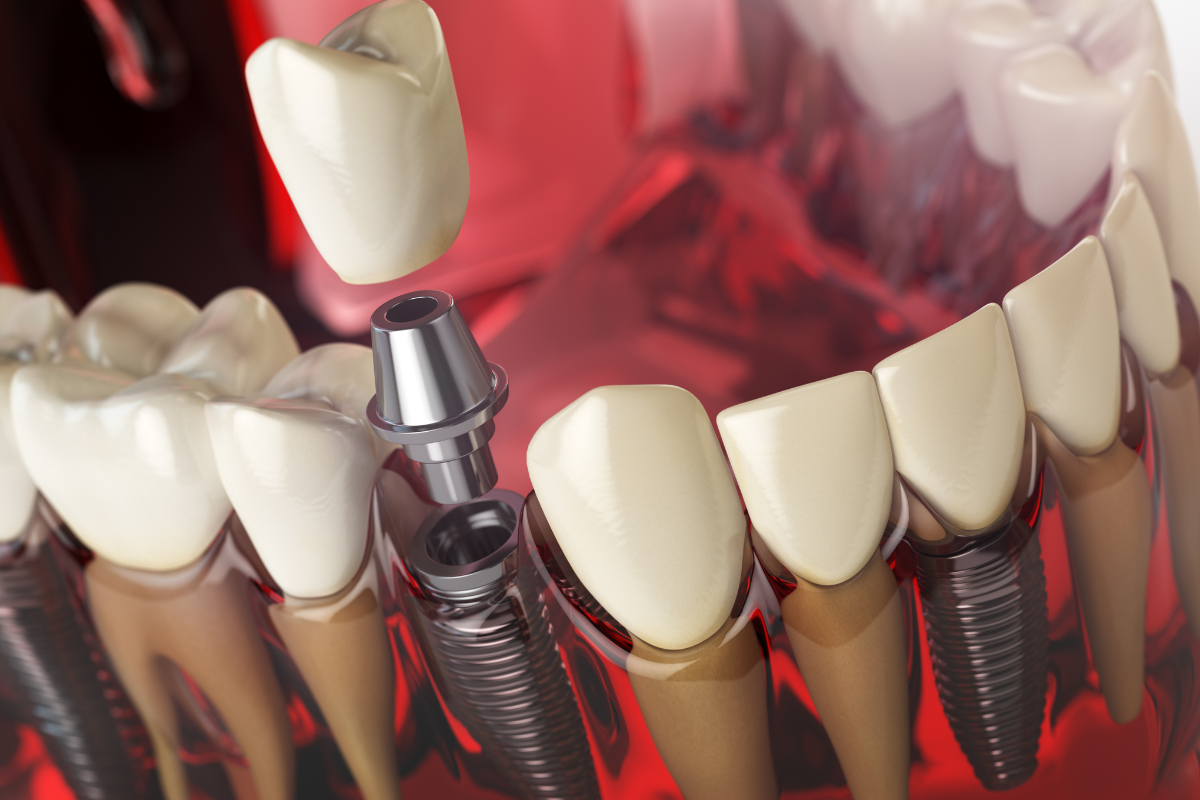
Dental implants are one of the best investments you can make for your smile. They look natural, feel comfortable, and can last for decades when cared for properly. But like any investment, they need attention to hold their value over time.
The good news? A few simple lifestyle changes can make a big difference. Here is what you need to know.
1. Build a Consistent Oral Hygiene Routine
This one sounds basic, but it is often overlooked after getting implants. Many people assume that because implants are artificial, they do not need the same care as natural teeth. That thinking leads to problems.
Plaque still builds up around implants. Over time, it can cause a condition called peri-implantitis, which is basically gum disease around the implant. Left untreated, it can cause bone loss and implant failure.
What to do:
- Brush twice a day using a soft-bristle toothbrush
- Floss daily around the implant with implant-safe floss or an interdental brush
- Use an antibacterial mouthwash to reduce bacteria
Small daily habits keep your implants healthy for the long haul.
2. Quit Smoking and Limit Alcohol
Smoking is one of the biggest threats to dental implants. It reduces blood flow to the gums, slows down healing, and raises the risk of infection. Studies show that smokers have a significantly higher implant failure rate compared to non-smokers.
Alcohol, when consumed heavily, can also interfere with healing and weaken the bone that holds the implant in place.
If you smoke, quitting before and after getting implants gives you a much better chance of success. If you drink, keep it moderate. Your gums and bone tissue need proper circulation and nutrients to stay strong.
Corpus Christi residents who smoke and are thinking about dental implants should bring this up with their provider. It is a real factor that affects outcomes.
3. Watch What You Eat
Your diet has a direct impact on the health of your implants and the bone around them.
Foods that support implant health:
- Calcium-rich foods like dairy, leafy greens, and almonds keep the jawbone strong
- Vitamin D (found in fish, eggs, and fortified foods) helps your body absorb calcium
- Crunchy vegetables like carrots and celery naturally clean the gumline
Foods to limit:
- Sticky or hard candies can put stress on the implant crown
- Highly acidic drinks like sodas and citrus juices wear down the gum tissue over time
- Ice chewing is a surprisingly common habit that can crack crowns
Eating well is not just about weight or energy. It is a direct line to keeping your implant secure and your gums in good shape.
4. Protect Your Implants from Physical Damage
If you grind your teeth at night (a condition called bruxism), you are putting extra pressure on your implants during sleep. Over time, this can loosen the crown or damage the abutment (the piece connecting the implant to the crown).
Signs you might grind your teeth include waking up with jaw soreness, headaches, or worn-down teeth.
A custom night guard from your dentist can protect both natural teeth and implants from this kind of damage.
If you play contact sports, a mouthguard is just as important. One strong impact can damage an implant the same way it can damage a natural tooth.
Physical protection is simple and affordable. Do not skip it.
5. Keep Up with Regular Dental Visits
Even when nothing feels wrong, regular checkups are how problems get caught early. Your dentist uses X-rays to monitor the bone around the implant and can spot early signs of infection or bone loss long before you would notice any symptoms.
For most people, two visits a year is enough. But if you have had complications before or have conditions like diabetes (which can affect healing), your dentist may recommend more frequent visits.
Skipping appointments is the most common reason implants fail silently. By the time there are noticeable symptoms, the issue may already require more involved treatment.
Staying consistent with checkups is the easiest thing you can do to protect your implant long-term.
Conclusion
Dental implants are built to last, but they are not maintenance-free. Brushing, eating right, quitting smoking, protecting against damage, and visiting your dentist regularly are the five habits that make the biggest difference.
If you live in the Corpus Christi area and are thinking about implants or want to protect the ones you already have, schedule a consultation with Tide Dental Orthodontics. Our team will walk you through exactly what your situation needs. If you have been searching for a dentist near me who provides implant care you can trust, Tide Dental Orthodontics is here to help. Schedule a consultation with Tide Dental Orthodontics to find out what your smile needs, from the first placement to long-term care.
Ready to get started? Contact our Tide Dental Orthodontics office today to book your appointment. We look forward to helping you protect your smile for years to come.
Frequently Asked Questions
1. How long do dental implants typically last?
With proper care, dental implants can last 20 years or longer. Some people keep them for life. The key is maintaining good oral hygiene and keeping up with regular dental visits.
2. Can I get dental implants if I have gum disease?
Active gum disease needs to be treated before placing implants. Once your gums are healthy, a dentist near me or a local implant specialist can assess whether you are a good candidate.
3. Does diet really affect implant success?
Yes. A calcium and vitamin D-rich diet supports the bone that holds the implant in place. Poor nutrition can slow healing and weaken the jawbone over time.
4. Is smoking after getting implants really that serious?
It is one of the leading causes of implant failure. Smoking restricts blood flow to the gums and bone, which are both critical to keeping the implant secure.
5. What is peri-implantitis?
It is an infection around the implant that affects the gum and bone. It is similar to gum disease and can lead to implant loss if not treated early.
6. How do I know if my implant is failing?
Common signs include pain around the implant, swelling, the implant feeling loose, or difficulty chewing. If you notice any of these, see a dentist near me as soon as possible.
7. Do I need a night guard if I grind my teeth?
Yes. Teeth grinding puts extra stress on dental implants and can damage the crown or the implant itself. A custom night guard from your dentist is a simple fix.
8. How often should I visit the dentist after getting implants?
At least twice a year for most patients. Your provider may suggest more frequent visits depending on your oral health history or any existing conditions.
Recent Post
June 5, 2026
Dental Implants and Cosmetic Dentistry: Creating Natural-Looking Smiles

May 29, 2026
The Do’s and Don’ts of Routine Dental Care for All Ages
May 22, 2026
How Dentists Detect Early Signs of Serious Health Conditions

May 15, 2026
Smoking and Dental Implants: Risks You Should Know
May 9, 2026