
Book Online
How Diet Affects Dental Health: Foods That Help and Harm
February 28, 2026
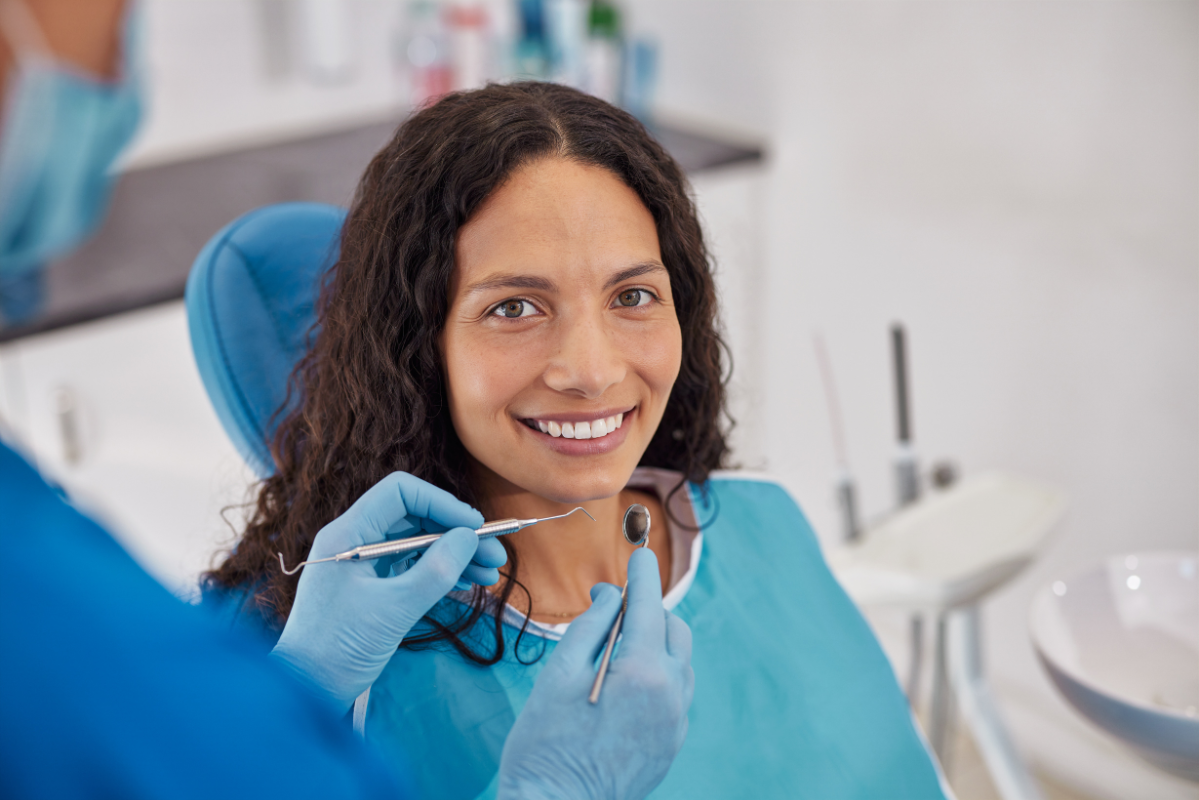
Your smile says a lot about you, but did you know that what you eat plays a huge role in keeping it bright and healthy? The connection between diet and dental health goes deeper than most people realize. Every bite you take either supports your teeth and gums or works against them.
Think about it. Your mouth is the first stop in your digestive journey, and it’s where food interacts most directly with your teeth. Some foods build up your enamel and fight bacteria, while others create the perfect environment for cavities and gum disease. Understanding this relationship can help you make better choices for your overall health.
If you’re looking for guidance on maintaining optimal oral health, a trusted dentist in Corpus Christi can provide personalized recommendations based on your specific dietary habits and dental needs.
The Science Behind Diet and Dental Health
Your teeth are living structures that need proper nutrition to stay strong. The outer layer, called enamel, is the hardest substance in your body, but it’s not invincible. When you eat, bacteria in your mouth feed on sugars and starches, producing acid as a byproduct. This acid attacks your enamel, slowly wearing it down over time.
Your saliva works as a natural defense system. It washes away food particles, neutralizes acids, and delivers minerals that help repair early damage to your teeth. But when you constantly expose your teeth to harmful foods, even your saliva can’t keep up with the damage.
The good news? You have control over this process through your food choices.
Foods That Protect Your Teeth
Dairy Products
Milk, cheese, and yogurt are dental superstars. They’re packed with calcium and phosphates that help rebuild tooth enamel. Cheese, in particular, raises the pH level in your mouth, which reduces acid and fights cavities. Plus, chewing cheese increases saliva production, giving your teeth an extra layer of protection.
Crunchy Fruits and Vegetables
Apples, carrots, and celery act like natural toothbrushes. Their crisp texture scrubs your teeth as you chew, removing plaque and food particles. These foods also require a lot of chewing, which stimulates saliva flow. Many Corpus Christi dentist professionals recommend eating raw vegetables as healthy snacks between meals.
Leafy Greens
Spinach, kale, and other leafy greens are loaded with vitamins and minerals while being low in calories. They contain folic acid, a B vitamin that promotes healthy gums and may help treat gum disease in pregnant women.
Nuts and Seeds
Almonds, walnuts, and seeds provide protein and essential minerals without added sugars. They’re also low in carbohydrates, which means they don’t contribute to cavity formation. Chewing nuts stimulates saliva production too.
Water
Plain water, especially fluoridated tap water, is the best drink for your teeth. It rinses away food particles and bacteria, keeps your mouth hydrated, and helps maintain saliva production. Corpus Christi residents benefit from fluoridated water, which strengthens tooth enamel and prevents decay.
Fish and Lean Proteins
Fatty fish like salmon contain vitamin D, which helps your body absorb calcium. Other proteins provide phosphorus, another mineral that protects tooth enamel. These nutrients work together to keep your teeth strong.
Foods That Damage Your Teeth
Sugary Snacks and Candies
Sugar is cavity enemy number one. Bacteria love sugar and use it to produce enamel-destroying acid. Sticky candies like caramels and gummies are especially harmful because they cling to your teeth for longer periods. Hard candies pose a double threat since they expose your teeth to sugar for extended times and can crack your teeth if you bite down.
Sodas and Sports Drinks
These beverages combine sugar with acid, creating a perfect storm for tooth decay. Even diet sodas contain acids that erode enamel. Sports drinks might seem healthy, but many contain just as much sugar as soda. If you’re concerned about beverage choices affecting your oral health, consulting with a dentist in Corpus Christi can help you find better alternatives.
Citrus Fruits and Juices
While fruits provide vitamins, their high acid content can wear down enamel over time. Lemons, grapefruits, and oranges are particularly acidic. Drinking juice throughout the day bathes your teeth in acid repeatedly.
Starchy Foods
Chips, bread, and pasta break down into sugars in your mouth. These foods often get trapped between teeth, where bacteria feast on them. White bread and refined carbohydrates are worse than whole grain options.
Alcohol
Alcoholic drinks dry out your mouth by reducing saliva flow. Without enough saliva, your teeth lose a key defense against decay and gum disease. Some alcoholic beverages also contain high amounts of sugar.
Coffee and Tea
While these drinks have health benefits, they can stain your teeth. Adding sugar makes them worse for your dental health. The tannins in tea can also contribute to staining.
Smart Eating Habits for Healthy Teeth
Timing Matters
When you eat is just as important as what you eat. Snacking throughout the day means your teeth face constant acid attacks. Try to limit eating to mealtimes when possible. Your saliva production increases during meals, which helps protect your teeth.
Pair Smart
If you do eat sugary or acidic foods, pair them with protective foods. Eat cheese after fruit or drink water after having something sweet. This helps neutralize acids and wash away sugars.
Don’t Brush Right Away
After eating acidic foods, wait at least 30 minutes before brushing. The acid softens your enamel temporarily, and brushing too soon can actually damage it. Rinse with water instead.
Stay Hydrated
Drinking water throughout the day keeps your mouth moist and supports saliva production. This is especially important in the warm Corpus Christi climate where staying hydrated benefits both your overall and oral health.
Local Dietary Considerations
Living along the Gulf Coast means access to fresh seafood, which is great for your teeth. Local catches provide protein and essential nutrients without added sugars. The area’s year-round farmers markets offer fresh produce that supports dental health.
However, sweet tea and sugary beverages are popular in the region. Being mindful of these choices can make a big difference. Consider switching to unsweetened tea or adding less sugar gradually to adjust your taste preferences.
Beach activities and outdoor sports in the area often mean reaching for convenient snacks and sports drinks. Pack tooth-friendly alternatives like cut vegetables, cheese, and plain water instead.
Frequently Asked Questions
1. How soon after eating should I brush my teeth?
Wait about 30 minutes after meals, especially if you’ve eaten acidic foods. Your enamel needs time to reharden. Rinsing with water immediately after eating helps remove food particles without the risk of damaging softened enamel.
2. Can drinking water really prevent cavities?
Yes, especially fluoridated water. It washes away food particles and bacteria, keeps your mouth hydrated, and provides fluoride that strengthens enamel. Drinking water after meals and snacks offers significant protection.
3. Are sugar-free foods and drinks safe for my teeth?
Most are better than sugary versions, but some contain acids that can still harm enamel. Sugar-free gum with xylitol actually helps by stimulating saliva flow and fighting bacteria.
4. How does chewing gum affect my teeth?
Sugar-free gum benefits your teeth by increasing saliva production and helping clean your mouth between brushings. Choose gum with xylitol for added protection against cavities.
5. Is fruit bad for my teeth because of the sugar?
Fresh fruit contains natural sugars but also provides fiber, vitamins, and water. The benefits outweigh the risks when eaten as part of a balanced diet. Just avoid sipping fruit juice throughout the day.
6. What should I eat after dental work?
Stick to soft, nutritious foods like yogurt, smoothies, scrambled eggs, and mashed vegetables. Avoid very hot, cold, crunchy, or sticky foods until your mouth heals. Your dentist will provide specific guidance based on your procedure.
7. Does coffee really stain teeth?
Yes, coffee contains tannins that can discolor teeth over time. Drinking it quickly rather than sipping, using a straw, and rinsing with water afterward can reduce staining.
8. Can I reverse early tooth decay with diet?
In very early stages, before a cavity forms, proper nutrition and good oral hygiene can help remineralize teeth. Foods rich in calcium, phosphorus, and vitamin D support this process. However, once a cavity develops, you need professional treatment.
Taking Action for Your Dental Health
Your diet shapes your dental health every single day. Small changes add up to big results. Start by swapping one sugary drink for water, adding more vegetables to your meals, or choosing cheese as a snack instead of candy.
Remember that good dental health isn’t just about avoiding cavities. It affects your confidence, your ability to eat comfortably, and your overall wellness. Taking care of your teeth through smart food choices is an investment that pays off for a lifetime. Regular dental checkups help you stay on track. A Corpus Christi dentist can spot problems early, provide professional cleanings, and offer personalized advice based on your unique needs and dietary habits.
Conclusion
Your mouth deserves the same attention you give to the rest of your body. The foods you choose directly impact your dental health, creating either a foundation for strong teeth or a breeding ground for problems. By understanding which foods help and which foods harm, you can make informed decisions that protect your smile.
Start today by evaluating your current eating habits. Pick one or two changes you can make this week. Maybe it’s drinking more water, adding extra vegetables to your dinner, or cutting back on sugary snacks. Every positive choice counts.
Don’t wait for pain or problems to arise. Taking a proactive approach to your dental health saves you time, money, and discomfort down the road. Your teeth work hard for you every day. Give them the nutrition and care they need to stay healthy and strong. Ready to take the next step? Schedule a consultation with a trusted dental professional who can assess your oral health and provide guidance tailored to your lifestyle and goals. Your future self will thank you for the investment you make in your smile today.
Recent Post
May 9, 2026
Daily Dental Care Routine: What You Should Be Doing Every Day
April 30, 2026
Common Mistakes to Avoid During Invisalign Aligner Treatment

April 22, 2026
Is a Smile Makeover Worth It? Benefits, Risks, and Long-Term Value

April 14, 2026
Dental Care for Busy Professionals: Quick and Effective Oral Hygiene Tips
April 7, 2026