
Book Online
Dental Implant Aftercare Mistakes to Avoid: Expert Dentist Guide
January 31, 2026
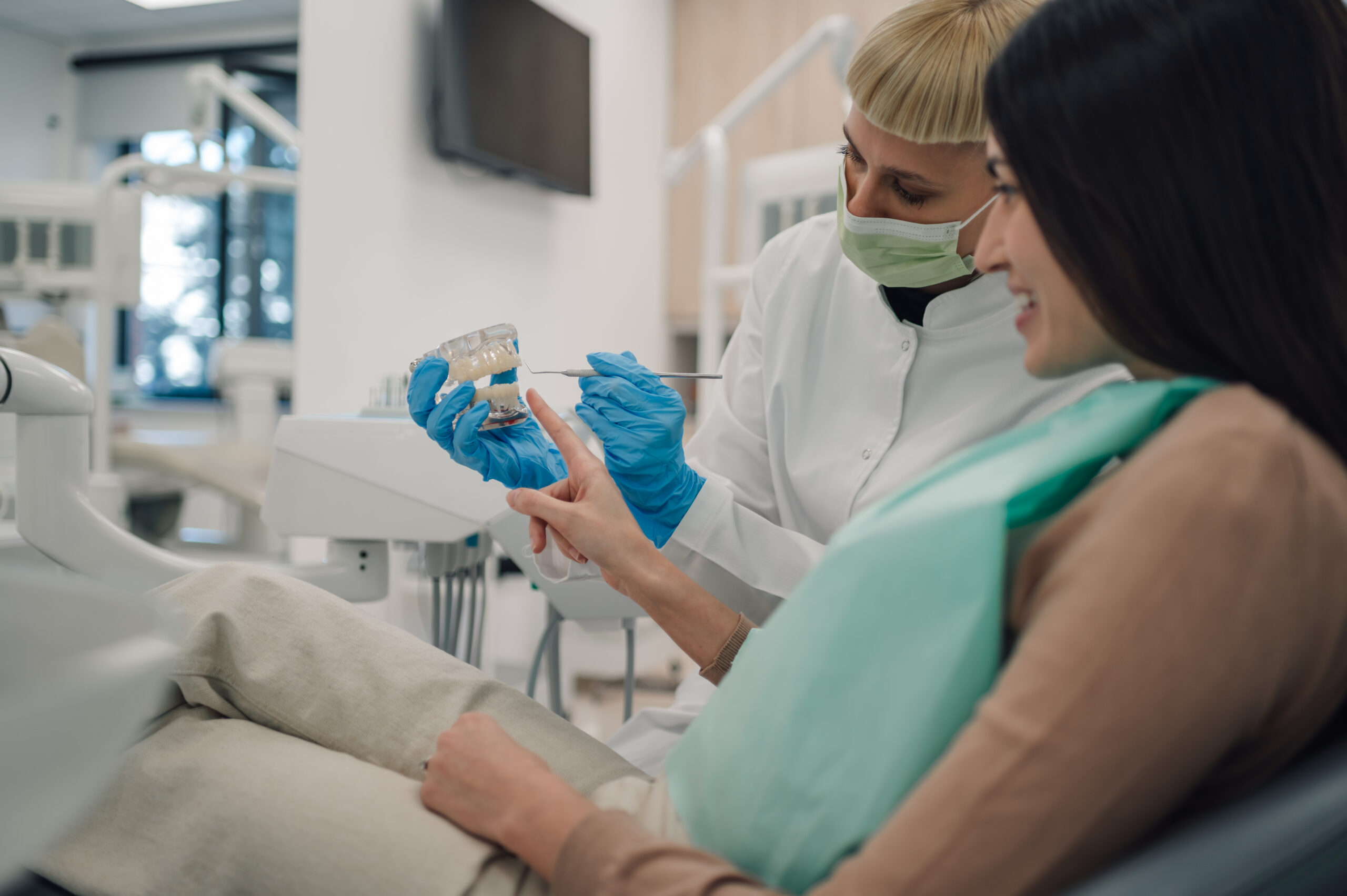
Getting dental implants is a big step toward restoring your smile and confidence. But the work doesn’t end when you leave the dentist’s chair. What you do after your procedure can make or break your results. Many patients make simple mistakes during recovery that lead to complications, infections, or even implant failure.
This guide walks you through the most common aftercare errors and shows you how to protect your investment in your oral health.
Why Aftercare Matters More Than You Think
Your body needs time to heal and accept the implant. The first few weeks are critical. During this period, the titanium post fuses with your jawbone through a process called osseointegration. Any disruption to this process can cause serious problems.
Studies show that proper aftercare reduces complication rates by up to 95%. When you search for “dental implants near me” and choose a provider, remember that your role in recovery is just as important as the surgery itself.
Mistake #1: Ignoring Post-Surgery Instructions
Your dentist gives you specific care instructions for a reason. These aren’t suggestions. They’re based on years of research and clinical experience.
What happens when you ignore them:
- Increased bleeding
- Infection at the implant site
- Delayed healing
- Implant rejection
Read through all paperwork before you leave the office. Ask questions if something isn’t clear. Keep instruction sheets where you can easily reference them at home.
Mistake #2: Poor Oral Hygiene During Recovery
Some patients think they should avoid the implant area completely while it heals. This is wrong. Bacteria buildup leads to infection, which is one of the top reasons dental implants fail.
The right approach:
- Brush gently around the surgical site
- Use an antimicrobial mouthwash as directed
- Rinse with warm salt water several times daily
- Avoid touching the area with your fingers
Keep the rest of your mouth clean too. Bacteria can travel from other teeth to your implant site.
Mistake #3: Eating the Wrong Foods Too Soon
Your mouth is tender after surgery. Hard, crunchy, or chewy foods can damage the implant site or dislodge the protective blood clot.
Foods to avoid in the first week:
- Chips, nuts, and raw vegetables
- Tough meats
- Sticky candies or gum
- Foods that require excessive chewing
Better choices:
- Smoothies and protein shakes
- Scrambled eggs
- Mashed potatoes
- Yogurt and pudding
- Soup (not too hot)
Gradually return to your normal diet as healing progresses. Listen to your body. If something causes pain, wait a few more days before trying it again.
Mistake #4: Smoking During the Healing Process
Smoking is one of the worst things you can do after getting dental implants. Nicotine restricts blood flow to your gums, which slows healing and increases infection risk.
Research from the American Academy of Implant Dentistry shows smokers have a 20% higher failure rate compared to non-smokers. If you’ve been thinking about quitting, now is the perfect time.
Even vaping can cause problems. The heat and chemicals affect healing just like traditional cigarettes.
Mistake #5: Skipping Follow-Up Appointments
Your dentist needs to monitor your healing progress. These checkups aren’t optional. They help catch problems early before they become serious.
What your dentist checks for:
- Signs of infection
- Proper implant positioning
- Bone integration progress
- Gum health around the implant
Missing appointments can void your warranty and leave you without support if complications arise. Mark these dates on your calendar as soon as they’re scheduled.
Mistake #6: Doing Too Much Too Soon
Rest is part of healing. Many patients return to their normal routine immediately after surgery. This can cause bleeding, swelling, and other complications.
Take it easy for at least 48-72 hours:
- Avoid heavy lifting
- Skip intense workouts
- Don’t bend over repeatedly
- Keep your head elevated when lying down
Your body is working hard to heal. Give it the energy and rest it needs to do the job right.
Mistake #7: Not Managing Pain Properly
Some patients tough it out instead of taking prescribed pain medication. Others take too much. Both approaches cause problems.
Unmanaged pain increases stress hormones that slow healing. Taking too much medication can mask warning signs of infection or complications.
Follow your dentist’s pain management plan exactly. If over-the-counter medication isn’t enough, call your dental office. Don’t wait until pain becomes unbearable.
Mistake #8: Drinking Through a Straw
This seems harmless, but the sucking motion creates pressure that can dislodge blood clots. This leads to a painful condition called dry socket.
Drink directly from a cup for at least one week after surgery. The same goes for smoking, as the sucking motion causes similar problems.
Mistake #9: Neglecting Long-Term Care
Once your dental implants are fully healed, the work continues. These aren’t natural teeth. They need special attention to last a lifetime.
Long-term care basics:
- Brush twice daily with a soft-bristled brush
- Floss daily using implant-specific floss or a water flosser
- Visit your dentist every six months
- Avoid using your teeth as tools
- Wear a nightguard if you grind your teeth
Many patients who search “dental implants near me” focus only on the initial procedure. But implants require the same commitment as natural teeth, if not more.
Mistake #10: Ignoring Warning Signs
Know when something needs immediate attention. Call your dentist right away if you experience:
- Severe pain that doesn’t improve with medication
- Heavy bleeding after the first 24 hours
- Fever over 101°F
- Pus or unusual discharge
- Implant feels loose
- Swelling that gets worse after three days
Early intervention prevents minor issues from becoming major problems. Your dental team would rather hear from you too often than too late.
The Bottom Line on Dental Implant Care
Success with dental implants depends on teamwork between you and your dental provider. The surgery is just the beginning. Your actions during recovery and long-term maintenance determine whether your implants last 10 years or a lifetime.
Most complications are preventable. By avoiding these common mistakes, you give your implants the best chance to succeed. The investment you made in your smile deserves proper protection.
Frequently Asked Questions
1. How long does it take for dental implants to fully heal?
Initial healing takes 7-10 days. Full bone fusion happens in 3-6 months. You can return to normal activities within a few days, but follow all care instructions during the full healing period.
2. Can I brush my teeth normally after getting dental implants?
Yes, but be gentle around the surgical site for the first week. Use a soft-bristled brush and avoid direct pressure on the implant area. Resume normal brushing after your dentist approves.
3. What should I do if my implant feels loose?
Call your dentist immediately. A loose implant needs urgent attention and could indicate infection or failed integration. Don’t wait to see if it improves on its own.
4. Is it normal to have swelling after dental implant surgery?
Yes, mild swelling for 2-3 days is normal. Use ice packs for the first 24 hours. If swelling gets worse after three days or you develop a fever, contact your dentist right away.
5. When can I return to exercise after getting dental implants?
Wait 3-5 days before intense exercise. Light walking is okay after 24 hours. Your dentist will give you the all-clear for heavy workouts, usually after one week.
6. How do I clean around my dental implants?
Brush twice daily with a soft brush and non-abrasive toothpaste. Floss daily using implant-specific floss or a water flosser. Focus on the area where the implant meets your gum line.
7. Are dental implants covered by insurance?
Coverage varies by plan. Some cover part of the cost, others don’t cover implants at all. Check with your insurance provider and ask your dental office about payment plans.
Your Next Steps
If you’re experiencing issues with your dental implants, don’t wait. Contact a local dental office that specializes in implant care right away. Early intervention prevents minor problems from becoming serious complications. For those considering the procedure, research providers carefully and look for experienced professionals with strong patient reviews.
Ready to move forward? Schedule a consultation with a qualified implant dentist in your area. They’ll answer your questions and create a treatment plan that fits your needs. The best outcomes happen when you stay informed and follow proper aftercare guidelines.
Recent Post
May 9, 2026
Daily Dental Care Routine: What You Should Be Doing Every Day
April 30, 2026
Common Mistakes to Avoid During Invisalign Aligner Treatment
April 22, 2026
Is a Smile Makeover Worth It? Benefits, Risks, and Long-Term Value

April 14, 2026
Dental Care for Busy Professionals: Quick and Effective Oral Hygiene Tips
April 7, 2026