
Book Online
How Long Does Dental Bonding Last Before Needing Replacement?
December 22, 2025
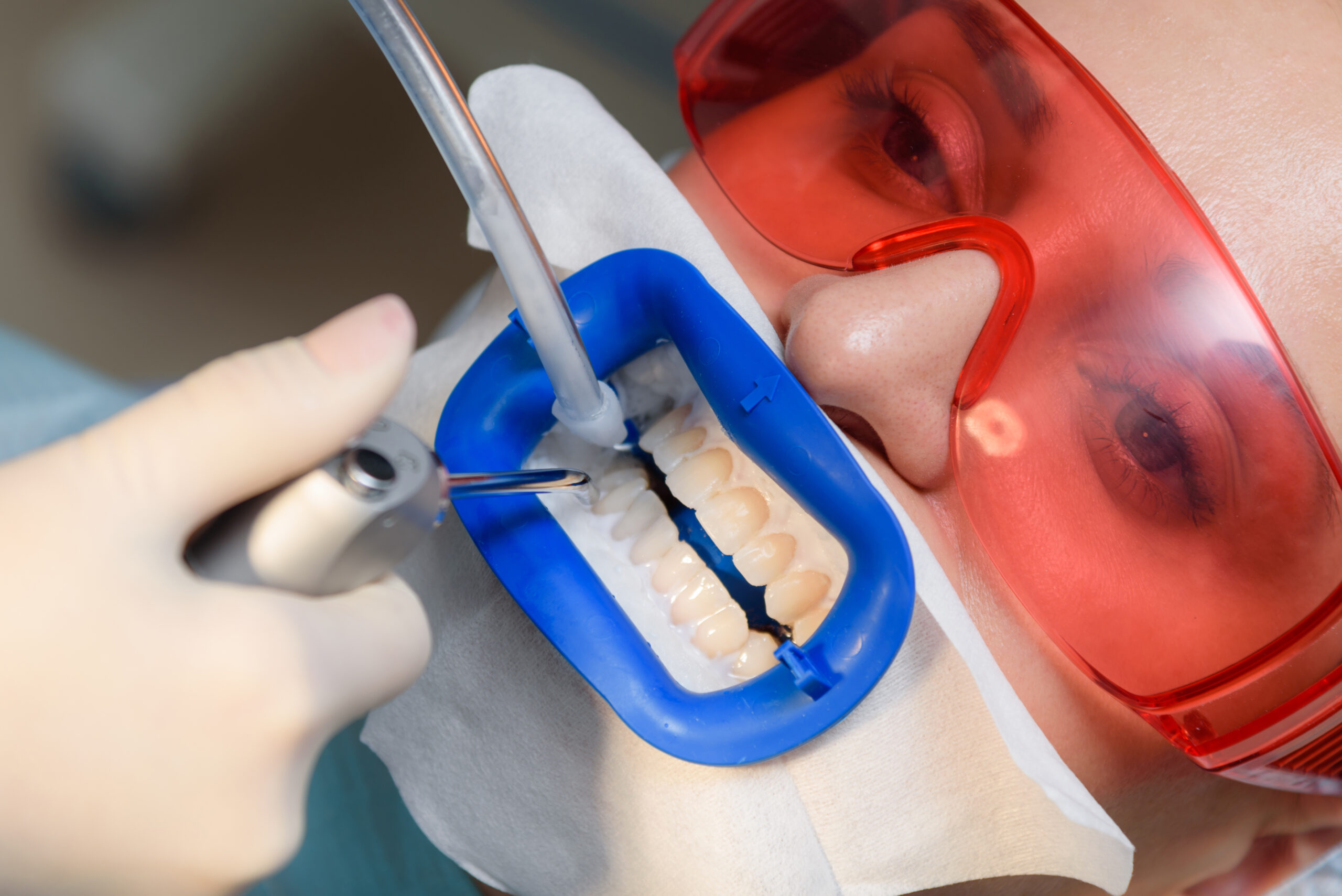
If you’re considering dental bonding to fix a chipped tooth, close a gap, or improve your smile, you’re probably wondering how long it will last. It’s a fair question, and one we hear often at our Corpus Christi practice. Dental bonding is one of the most affordable and versatile cosmetic dental treatments available today. Unlike veneers or crowns, bonding can often be completed in a single visit without removing much (if any) of your natural tooth structure.
But here’s the truth: dental bonding isn’t permanent. The composite resin material used in bonding is durable, but it won’t last forever. On average, dental bonding lasts between 3 to 10 years before needing replacement or touch-ups. The wide range depends on several factors, including where the bonding is placed, your oral habits, and how well you care for it.
Let’s explore what affects the lifespan of dental bonding and how you can make yours last as long as possible.
Meet Our Experienced Dental Team
At Tide Dental Orthodontics & Dental Implants, we’re proud to have a team of skilled professionals dedicated to your oral health. Dr. Joel Khoo, Dr. ReAnn Boss, and Dr. Tina Huynh bring years of expertise in cosmetic and restorative dentistry to our Corpus Christi community.
Whether you need dental bonding, implants, or orthodontic care, our team provides personalized treatment in a comfortable, welcoming environment. We’re here to help you achieve the healthy, beautiful smile you deserve.
What Affects How Long Dental Bonding Lasts?
Several factors determine whether your bonding will last closer to 3 years or a full decade:
Location in Your Mouth: Bonding on front teeth typically lasts longer because these teeth experience less biting force. Back teeth take more pressure from chewing, which can wear down or crack the bonding material faster.
Your Oral Habits: Do you bite your nails, chew ice, or use your teeth to open packages? These habits put extra stress on bonded teeth and can shorten their lifespan significantly.
Diet Choices: Coffee, tea, red wine, and dark berries can stain the bonding material over time. While the resin starts out matching your natural teeth, it’s more porous than enamel and picks up stains more easily.
Oral Hygiene: Good brushing and flossing habits help bonding last longer. Plaque buildup around the bonded area can lead to decay underneath, which compromises the bond.
Quality of Application: The skill of your dentist matters. Proper technique during application creates a stronger, longer-lasting bond. That’s why choosing an experienced dentist in Corpus Christi is so important.
8 Ways to Make Your Dental Bonding Last Longer
Want to get the most out of your investment? Follow these practical tips:
1. Avoid Hard Foods and Ice: Skip chewing on hard candies, ice cubes, or popcorn kernels. These can crack or chip the bonding material. Cut hard foods like apples into smaller pieces instead of biting into them directly.
2. Break Bad Habits: Stop using your teeth as tools. Don’t bite your nails, chew on pens, or tear open packages with your teeth. These habits put unnecessary stress on bonded teeth.
3. Limit Staining Foods and Drinks: While you don’t need to eliminate coffee or wine completely, try to rinse your mouth with water after consuming them. Using a straw for dark beverages can also help minimize contact with your bonded teeth.
4. Maintain Excellent Oral Hygiene: Brush twice daily with a soft-bristled toothbrush and fluoride toothpaste. Floss every day to remove plaque from around the bonding. Visit your dentist in Corpus Christi for regular cleanings every six months.
5. Wear a Nightguard If You Grind Your Teeth: Teeth grinding (bruxism) can wear down or crack dental bonding quickly. If you wake up with jaw pain or your partner hears you grinding at night, ask about getting a custom night guard.
6. Be Careful with Temperature Changes: Avoid exposing bonded teeth to extreme temperature changes. For example, don’t drink hot coffee immediately followed by ice water. Rapid temperature shifts can cause the bonding material to expand and contract, leading to cracks.
7. Don’t Smoke: Tobacco stains bonding material and increases your risk of gum disease, which can affect the longevity of any dental work. Quitting smoking benefits both your bonded teeth and your overall oral health.
8. Schedule Regular Dental Checkups: Your dentist can spot small problems with your bonding before they become major issues. Regular visits allow for early intervention, like polishing away minor stains or repairing small chips before they worsen.
When Does Bonding Need Replacement?
Even with excellent care, bonding eventually needs attention. Watch for these signs:
- Visible chips or cracks in the bonding material
- Discoloration that doesn’t improve with professional cleaning
- Rough or uneven edges
- Gaps forming between the bonding and your natural tooth
- Sensitivity in the bonded tooth
If you notice any of these issues, contact Tide Dental Orthodontics & Dental Implants. Sometimes a simple repair or polish can restore your bonding. Other times, complete replacement is the best option.
Real Patient Experience
“Dr. Khoo and his team are wonderful! They treat my mom—who’s a senior—with such kindness and respect at every visit. Dr. Khoo is personable and very skilled, especially with prosthodontics, and his work has truly made a difference for her. The entire staff is warm, attentive, and welcoming. It’s rare to find a dental office where you feel so well cared for, but this is definitely one of them. Highly recommend!” — G. Alvarado-Lumampao
Don’t just take our word for our treatments options and procedures. Head over to read our Google reviews and see what our patients are saying about their real experiences and results. Their stories speak louder than we ever could.
Conclusion: Protect Your Investment in Your Smile
Dental bonding offers a quick, affordable way to improve your smile, and with proper care, it can last many years. The key is combining good oral hygiene with smart lifestyle choices and regular dental visits.
At Tide Dental Orthodontics & Dental Implants, Dr. Joel Khoo, Dr. ReAnn Boss, and Dr. Tina Huynh are committed to helping Corpus Christi residents achieve and maintain beautiful, healthy smiles. Whether you’re interested in dental bonding or need to have existing bonding evaluated, we’re here to help.
Ready to enhance your smile or discuss your dental bonding options? Schedule an appointment with our experienced team today. Call us or visit our Corpus Christi office to learn how we can help you achieve the smile you’ve always wanted.
Frequently Asked Questions
1. How much does dental bonding cost in Corpus Christi?
Dental bonding typically costs between $300 to $600 per tooth, depending on the complexity of the procedure. It’s one of the most affordable cosmetic dental treatments available. Check with your dental insurance, as some plans may cover bonding if it’s done for restorative purposes.
2. Is dental bonding painful?
No, dental bonding is usually painless. Because little to no tooth structure needs to be removed, anesthesia often isn’t necessary. You might feel slight pressure during the application, but most patients report no discomfort.
3. Can bonded teeth be whitened?
No, the composite resin used in bonding doesn’t respond to whitening treatments. If you’re planning to whiten your teeth, do it before getting bonding so your dentist can match the bonding to your newly whitened shade.
4. How does bonding compare to veneers?
Bonding is less expensive and completed in one visit, but veneers last longer (10-15 years) and resist staining better. Veneers require removing some tooth enamel, while bonding usually doesn’t. Your dentist can help you decide which option is best for your situation.
5. Can dental bonding fix gaps between teeth?
Yes, bonding works well for closing small to moderate gaps between teeth. For larger gaps or multiple cosmetic concerns, your dentist might recommend orthodontics or veneers instead.
6. What happens during a dental bonding appointment?
Your dentist will roughen the tooth surface slightly and apply a conditioning liquid. Then they’ll apply the tooth-colored resin, shape it, and harden it with a special light. Finally, they’ll polish it to match your natural teeth. The entire process usually takes 30-60 minutes per tooth.
7. Will my insurance cover dental bonding?
It depends on why you need it. Insurance may cover bonding if it’s repairing a decayed, broken, or damaged tooth. Purely cosmetic bonding typically isn’t covered, but check with your insurance provider to be sure.
Recent Post
June 5, 2026
Dental Implants and Cosmetic Dentistry: Creating Natural-Looking Smiles

May 29, 2026
The Do’s and Don’ts of Routine Dental Care for All Ages
May 22, 2026
How Dentists Detect Early Signs of Serious Health Conditions

May 15, 2026
Smoking and Dental Implants: Risks You Should Know
May 9, 2026