
Book Online
Troubleshooting Common Dental Implant Issues: What You Need to Know?
January 20, 2025
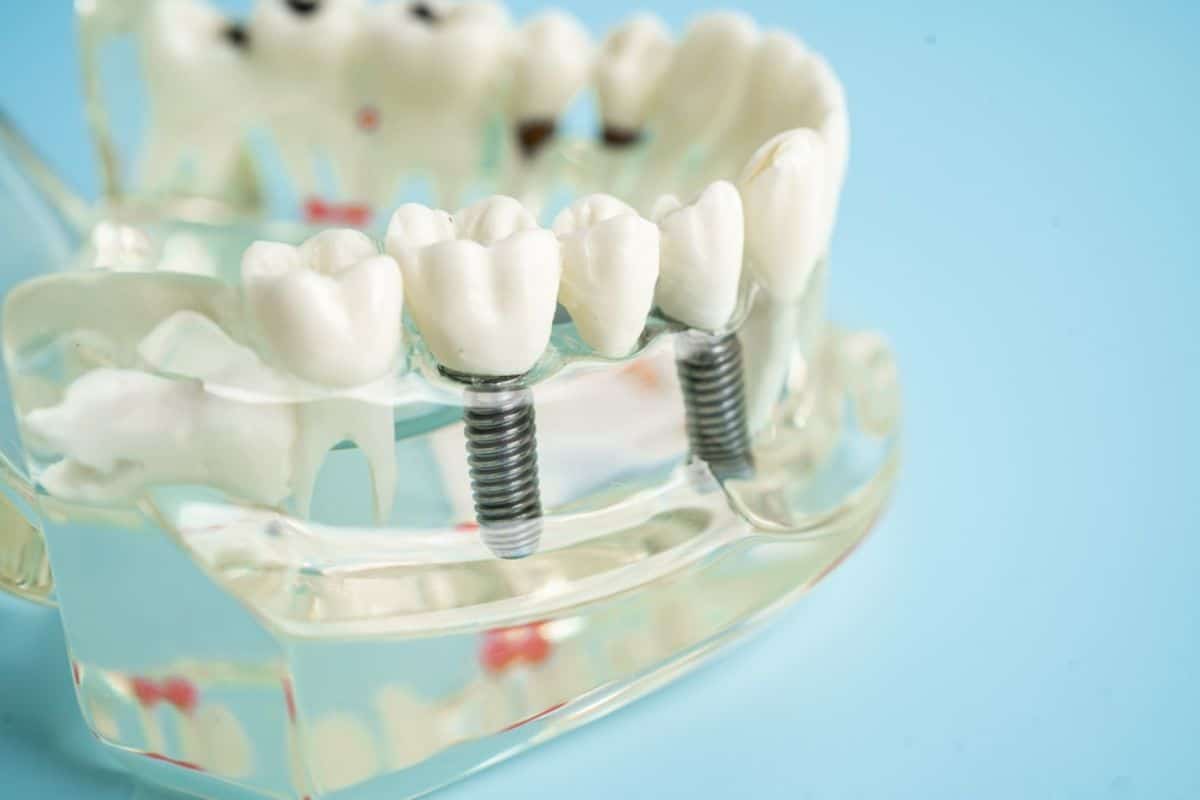
Missing teeth concern many American adults, with underlying causes varying from one patient to another. Implants offer a reliable way to combat tooth loss and restore countless smiles. Are you aware of the complications that some individuals may experience after an implant surgery? We’re here to provide answers and share troubleshooting tips for successful teeth replacement with prosthetics.
Why Do You Get Dental Implants?
With the endosteal category generating 88% of market revenue in 2023, the U.S. implant industry is set for substantial expansion in 2025 and beyond. Their excellent success rates and capacity to adapt to most patients are the reasons for their dominance in dental prosthetics. Implants are made of titanium and surgically inserted into your jawbone to replace lost teeth or to help you chew, speak, and smile better. These tiny titanium screws serve as the new roots, supporting crowns, bridges, and dentures.
The most obvious reasons why your specialist might suggest the procedure include the following:
- Intensive cavities damage tooth structure beyond repair.
- Broken or fractured teeth after an accident.
- Teeth grinding causes excessive wear and tear.
- Permanent tooth loss due to aging, injury, or other complications.
What are the Potential Implant Complications?
Certain factors contribute to dental prosthetic failure, leading to severe oral health problems. Let’s discuss some risks patients may experience.
Mobility of Implants
This happens when a titanium post becomes loose, frequently as a result of poor osseointegration, inadequate bone, or incorrect placement. Complications may arise from any minor movement of the titanium posts, which can also be uncomfortable.
Infection
Gum disease or poor oral hygiene can lead to peri-implantitis, an infection surrounding the surgically inserted post. In addition to causing pain and inflammation, this condition may result in tooth root dislodgement or bone loss.
Failure of Implants
Pain or instability results from dental implants that do not fuse with the jawbone. Medical conditions, smoking, and inadequate bone density are some of the contributing causes.
Reactions to Allergies
Some patients may be allergic to materials used in artificial roots, such as titanium. The surgical site may become uncomfortable, swollen, or irritated if treatment is not received.
Nerve Damage
Any nerve damage sustained during the surgery may cause numbness, pain, or tingling in the lips, tongue, or chin. To stop additional harm to dental health, a quick trip to the dental clinic is required.
Why You Should Visit a Dentist for Implant Success?
Peri-implantitis and other diseases can impair the titanium post’s ability to integrate with the jawbone properly. To get rid of the infection and contaminated tissue, dentists may prescribe antibiotics and do extensive cleanings. In more severe situations, surgery might be necessary to restore the prosthetic’s stability or reverse bone deterioration.
To restore your dental health and the stability of your implant-supported restoration, it’s best to consult your dentist or specialist. These practitioners suggest various treatment options, such as implant removal, possible bone grafting, and replacement to restore oral health.
Working together with your dental care team and taking prompt action reduces the likelihood of prosthetic failure. If you have any allergies or sensitivities, talk to your dentist to make sure the materials are safe and biocompatible.
Maintaining implant health and avoiding problems requires good dental hygiene. Frequent dental checkups with your dentist aid in the early detection and treatment of any possible prosthetic tooth problems. To guarantee comfort during tooth replacement, schedule an appointment right now.
Recent Post
May 9, 2026
Daily Dental Care Routine: What You Should Be Doing Every Day

April 30, 2026
Common Mistakes to Avoid During Invisalign Aligner Treatment

April 22, 2026
Is a Smile Makeover Worth It? Benefits, Risks, and Long-Term Value

April 14, 2026
Dental Care for Busy Professionals: Quick and Effective Oral Hygiene Tips
April 7, 2026