
Book Online
Orthodontic Treatment for Children: When Is the Right Time to Start?
March 26, 2024
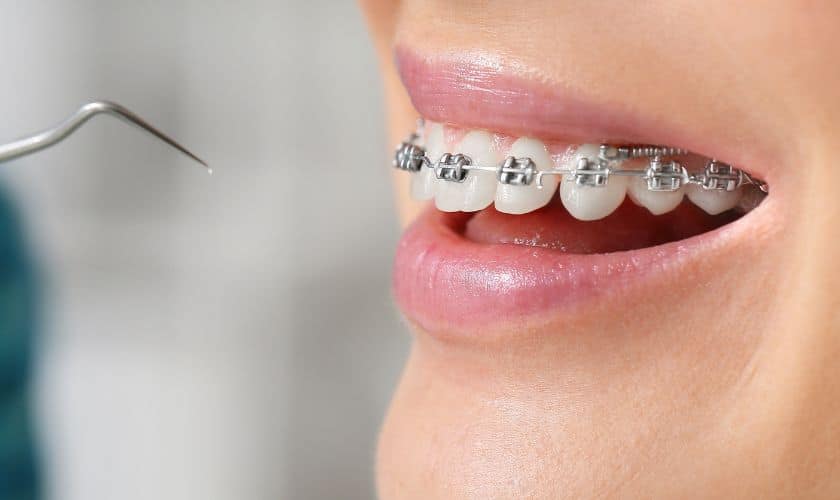
Orthodontic treatment for children is a topic of interest and concern for many parents. The decision to start orthodontic treatment involves various factors, including the child’s age, dental development, and specific orthodontic issues. Understanding when the right time to begin treatment is crucial for ensuring optimal results and long-term oral health. In this blog post, we’ll explore the considerations parents should keep in mind when determining the appropriate timing for orthodontic treatment for their children.
Importance of Early Orthodontic Evaluation
Early evaluation by an orthodontist is essential for identifying potential orthodontic problems and determining the appropriate timing for treatment. The American Association of Orthodontists (AAO) recommends that children have their first orthodontic evaluation by the age of 7. While most children won’t need orthodontic treatment at this age, early evaluation allows orthodontists to monitor dental development and detect any issues that may require intervention in the future.
Signs that Your Child May Need Orthodontic Treatment
Several signs may indicate that your child could benefit from orthodontic treatment:
- Crooked or Crowded Teeth: If your child’s teeth are misaligned, crowded, or overlapping, it may indicate the need for orthodontic intervention.
- Difficulty Chewing or Biting: Problems with chewing or biting can be a sign of malocclusion (bite misalignment), which may require orthodontic treatment.
- Early or Late Loss of Baby Teeth: The premature loss or delayed eruption of baby teeth can affect the alignment of permanent teeth and may necessitate orthodontic treatment.
- Thumb Sucking or Other Oral Habits: Prolonged thumb sucking or other oral habits can lead to dental issues such as protruding front teeth or an open bite, which may require orthodontic correction.
- Breathing Through the Mouth: Mouth breathing, particularly during sleep, can indicate airway obstruction or other orthodontic issues that may benefit from treatment.
Types of Orthodontic Problems in Children
Orthodontic problems in children can vary widely in terms of severity and complexity. Some common issues that may require orthodontic treatment include:
- Malocclusion: Malocclusion refers to misalignment of the teeth or improper positioning of the jaws, such as overbite, underbite, or crossbite.
- Crowding: Crowded teeth occur when there is insufficient space in the dental arch for all the teeth to erupt properly, leading to overlapping or crooked teeth.
- Spacing: Spacing issues involve gaps or spaces between the teeth, which can result from missing teeth or discrepancies in tooth size.
- Protruding Teeth: Protruding front teeth, also known as overjet, can be caused by various factors and may require orthodontic correction to improve both aesthetics and function.
Benefits of Early Orthodontic Treatment
Early orthodontic treatment, also known as interceptive or phase-one treatment, can offer several benefits for children, including:
- Guiding Jaw Growth: Orthodontic appliances can help guide the growth and development of the jaws, reducing the risk of more serious orthodontic problems in the future.
- Creating Space for Permanent Teeth: In cases of crowding or inadequate space, early treatment can create room for permanent teeth to erupt properly, minimizing the need for future extractions or more extensive treatment.
- Correcting Habits: Orthodontic treatment can address harmful oral habits such as thumb sucking or tongue thrusting, promoting healthier oral function and alignment.
- Improving Self-Esteem: By correcting aesthetic issues early on, orthodontic treatment can boost a child’s confidence and self-esteem, leading to improved social interactions and overall well-being.
Conclusion
Determining the right time to start orthodontic treatment for your child requires careful consideration of various factors, including their age, dental development, and specific orthodontic needs. Early evaluation by an orthodontist is crucial for identifying potential issues and determining the most appropriate course of action. By addressing orthodontic problems in a timely manner, parents can help ensure their child’s oral health and overall well-being for years to come.
Recent Post
June 12, 2026
Tooth Proportions and Symmetry in Cosmetic Smile Design
June 5, 2026
Dental Implants and Cosmetic Dentistry: Creating Natural-Looking Smiles

May 29, 2026
The Do’s and Don’ts of Routine Dental Care for All Ages
May 22, 2026
How Dentists Detect Early Signs of Serious Health Conditions

May 15, 2026